Ethical and Sustainable Shoe Brands in Australia (2026)

These are the best ethical and sustainable shoe brands available in Australia in 2026, organised by style, from handmade leather sandals and locally made boots to certified sneakers and heels.

Ethical and Sustainable Shoe Brands in Australia
From iconic RM Williams boots to the perfect Australian-made summer sandals, here are some of the best ethical and sustainable shoe brands worth investing in. Bookmark this page and use it as a guide for the next time you’re in need of a new pair.
For performance sneakers and running shoes specifically, we have a separate guide here.
A quick note about our brand guides
The Green Hub has been covering sustainable fashion for more than a decade. Our guides are put together by sustainability researchers and industry specialists, drawing on independent research and years of reporting on the space. We don’t include brands lightly. We consider material quality and how transparent a brand is about its production, with preference given to clothes designed to last.
Sustainable Sandals


Maria Farro
Made by hand in a workshop in Chania on the north coast of Crete, using traditional techniques passed down through generations of Greek shoemaking. The leather is natural and adapts to your foot with wear, which means they get more comfortable the more you wear them. The range covers sandals, slides, and flip-flops in simple, minimal shapes, and they also take custom orders if you want something specific. These are the sandals you’ll still be reaching for in ten years.
Birkenstock
You already know Birkenstocks. They’ve been made in Germany since 1774 and the cork-latex footbed is the reason people wear the same pair for a decade. It moulds to your foot over time, and they can be resoled when the soles wear out. Most materials are naturally sourced, and if you’re avoiding animal products, the vegan range covers most of the classic styles including the Arizona, Boston, and Gizeh. Look for the green logo to identify the vegan versions. When yours need a little TLC, use this cleaning guide to make them look like new again.

Kuwaii
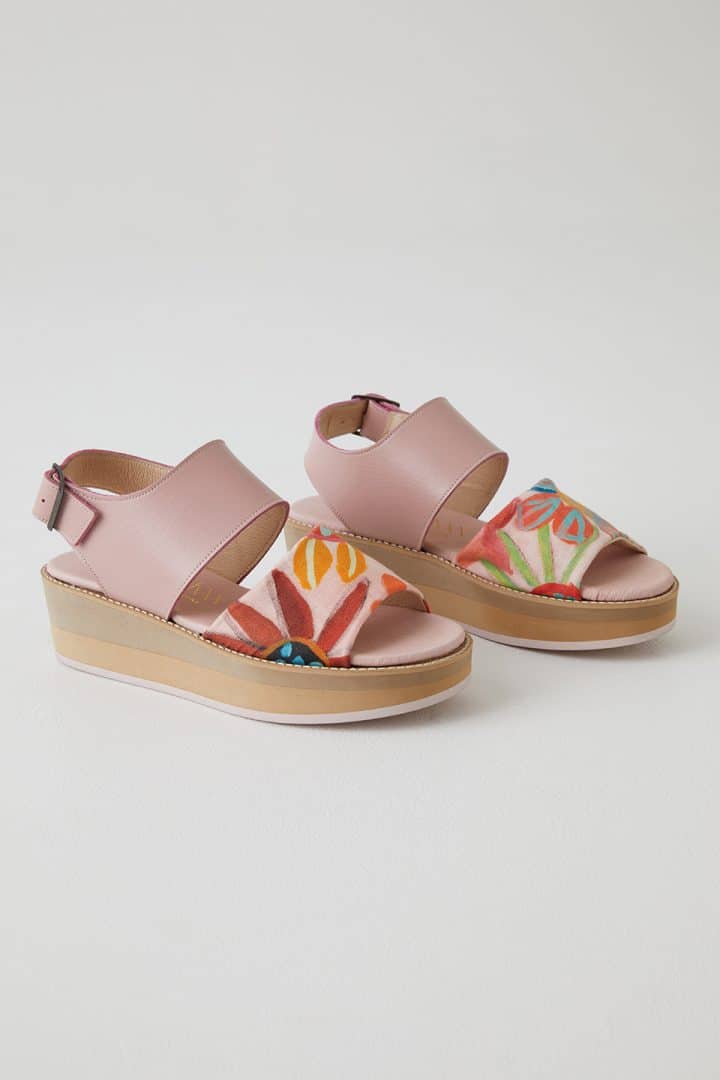
80% of Kuwaii’s footwear is made by one of the very last surviving footwear factories in Australia, with craftspeople taking up to a full day to make a single pair. ECA certified, produced in small runs, and the Re-Worn program accepts old Kuwaii shoes back in store, with wearable pairs resold, damaged ones repaired, and anything beyond repair turned into cleaning cloths.
St. Agni
St. Agni started in Byron Bay with one pair of leather slides. Today the footwear uses 100% vegetable-dyed leather, LWG certified across the range, with BSCI audited manufacturing and every supplier named on the site. They design in small batches to keep stock at a minimum, and the sandals are the kind of simple, considered shapes you wear until they fall apart.
Nelson Made
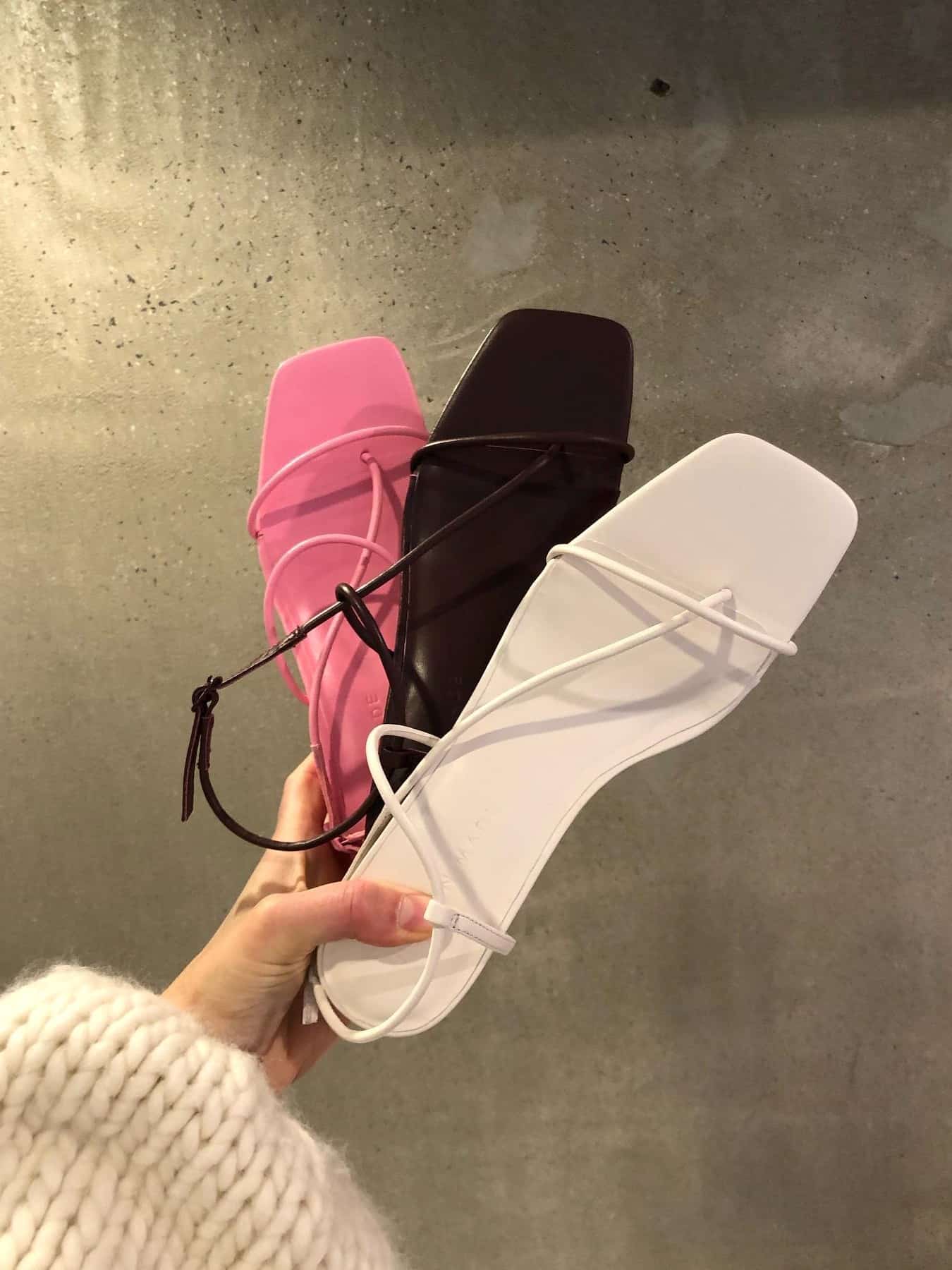
Started in 2018 with flat sandals, Jamie Nelson could hand-assemble herself in her Melbourne studio, making only what had been ordered. Around 80% of the range is still made locally in her solar-powered studio, with more complex styles made by a family-run, ethically accredited factory in China. Recycled and LWG-certified leathers, OEKO-TEX certified fabrics, and deadstock textiles throughout.
Nisolo
A B Corp certified brand working with artisan shoemakers in Peru, with 100% living wages across the supply chain, net zero carbon through reduction and offsetting, and third-party certifications at every stage. Their Ecuador Huarache sandals are made from soft vegetable-tanned leather that moulds to your feet as you break them in. They may be the most comfortable pair of shoes you’ll ever own.

Teva
The original Teva sport sandal came out of the Grand Canyon in 1984, and the brand has been making reliable, water-friendly sandals ever since. Since 2020, 100% of their iconic webbing straps are made from recycled plastic, keeping more than 24 million plastic bottles out of landfill to date. All leather used is sourced from Leather Working Group certified tanneries, and they offer a range of vegan styles each season. A TevaForever take-back program in partnership with TerraCycle accepts worn pairs for recycling.
Ancient Greek Sandals
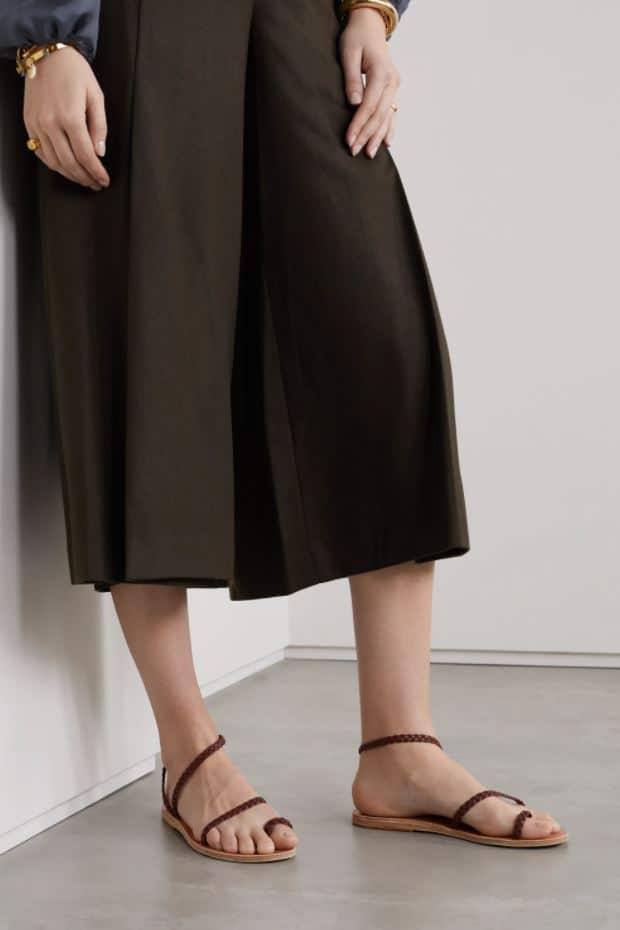
Founded in Athens in 2010 by Christina Martini and Nikolas Minoglou, Ancient Greek Sandals are handmade by local craftsmen using techniques that have existed for centuries. The leather is chemical-free and vegetable-tanned, and it ages beautifully with wear. My Eleftheria sandals are five years old, worn almost daily, resoled once, and still going strong. These are the sandals you’ll still be reaching for a decade from now.
Boots

RM Williams
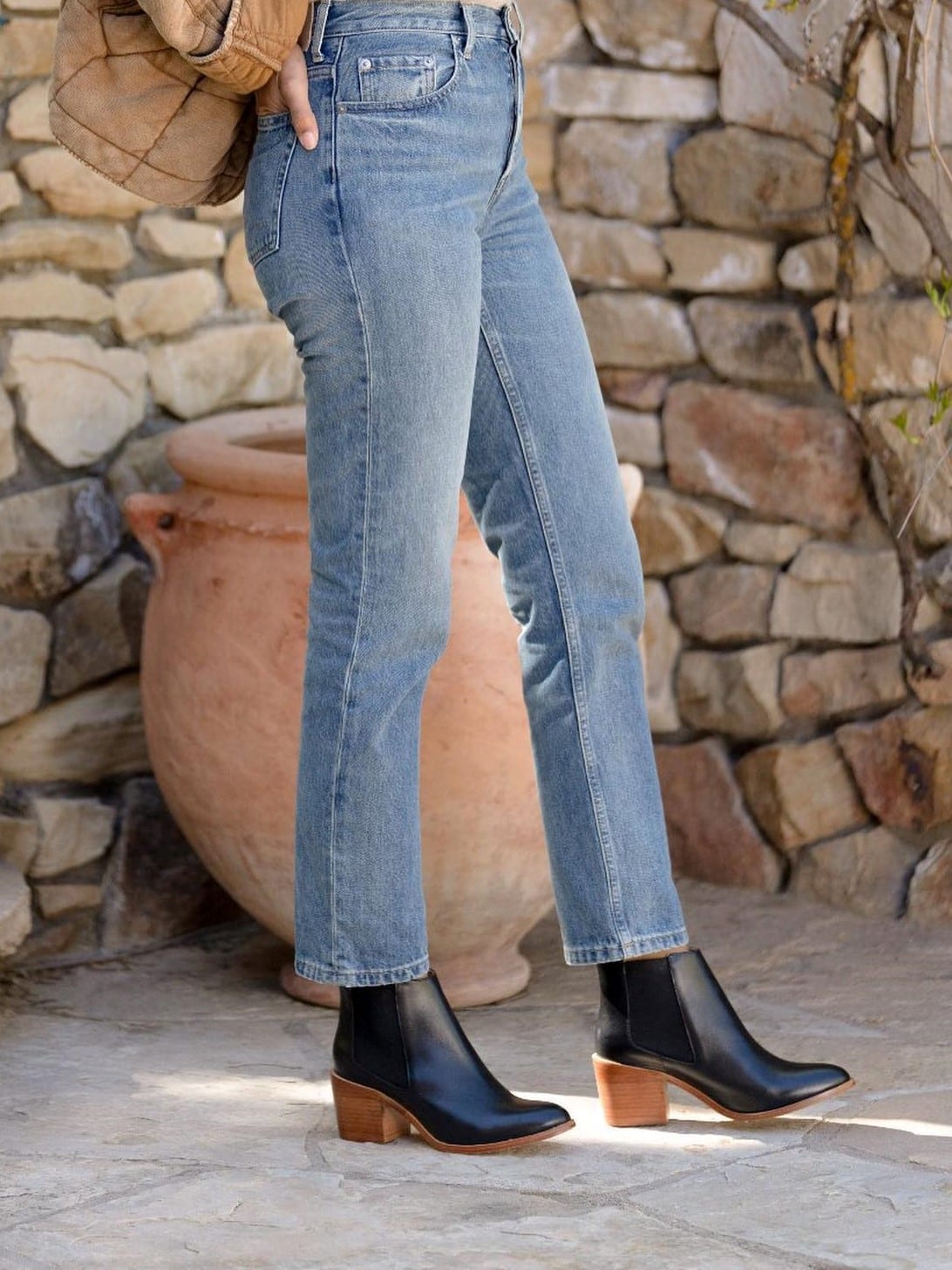
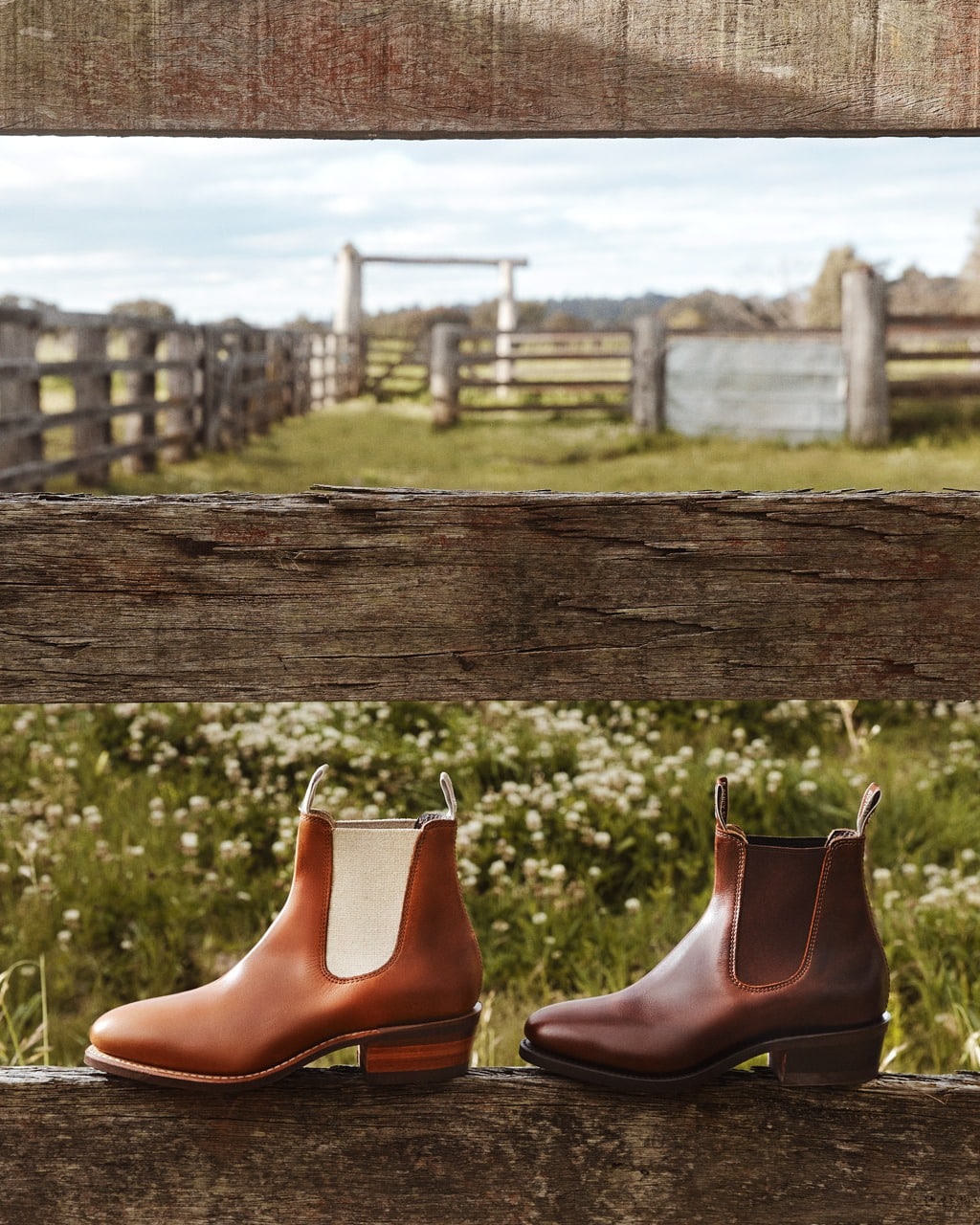
An Australian icon since 1932. Each pair is handcrafted in Adelaide from a single piece of leather, which keeps waste low and is part of why they last so long. Repairs and resoling are available through the Adelaide workshop, and a well-cared-for pair will outlast most things in your wardrobe. Buy once, buy well.
Wootten
Run by cordwainer Jess Cameron-Wootten and Krystina Menegazzo from a former WWII gun cotton warehouse in Ballarat. Every pair is handmade to order using premium leathers, including locally tanned Victorian bovine leather on some styles, with McKay welt construction and nitrile rubber outsoles made in South Australia. Current orders completing mid-2027.
Bared Footwear
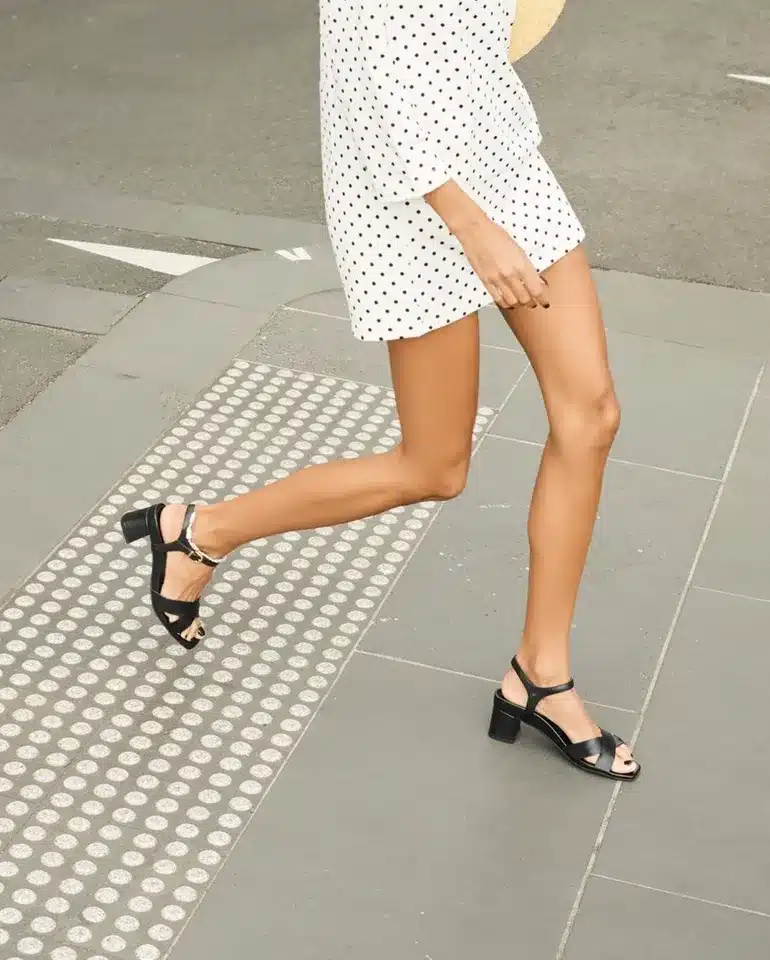
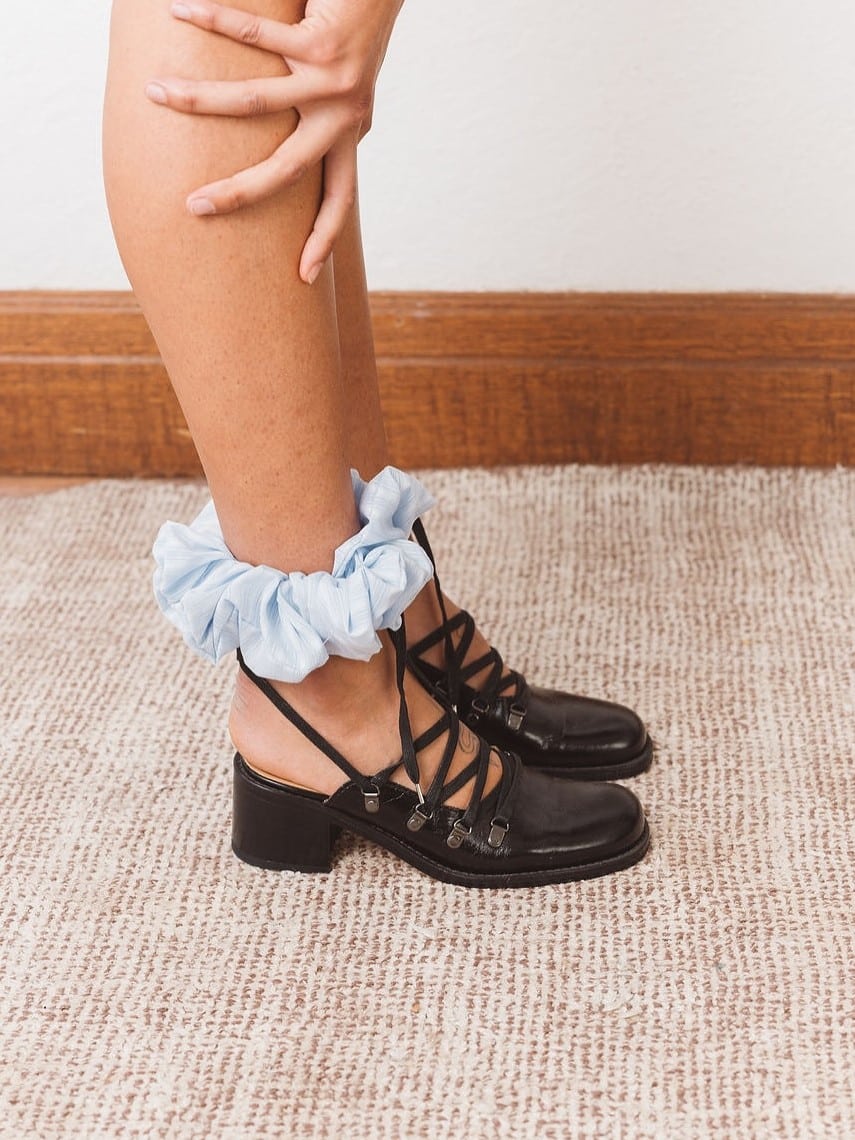
Founded in 2008 by podiatrist Anna Baird, who wanted to make shoes she’d recommend to her own patients. Every pair is designed with a biomechanical footbed and hidden support features that are genuinely good for your feet, not just claimed to be. Australia’s first B-Corp certified footwear brand, with a 2025 recertification score of 126.7. Materials include LWG certified leather, sugarcane footbeds, recycled plastic in laces and uppers, and natural rubber outsoles. Leather offcuts are upcycled into dog collars and leads, and worn pairs can be returned through a partnership with Save Our Soles, which turns old shoes into rubber for gym mats and playground flooring. Over 31,200 pairs have been recycled or donated rather than landfilled since 2019.
Post Sole Studio
Post Sole Studio has been making slow, made-to-order shoes from their Abbotsford workshop since 2014. They use traditional machines bought from the factory’s previous tenant, deadstock leathers sourced from a supplier around the corner, trims salvaged from Melbourne’s once-thriving footwear industry, and rubber soles made in Adelaide. All shoes are made to order, and the styles haven’t changed much since the first collection because they don’t need to.
Heels & Flats
Sézane
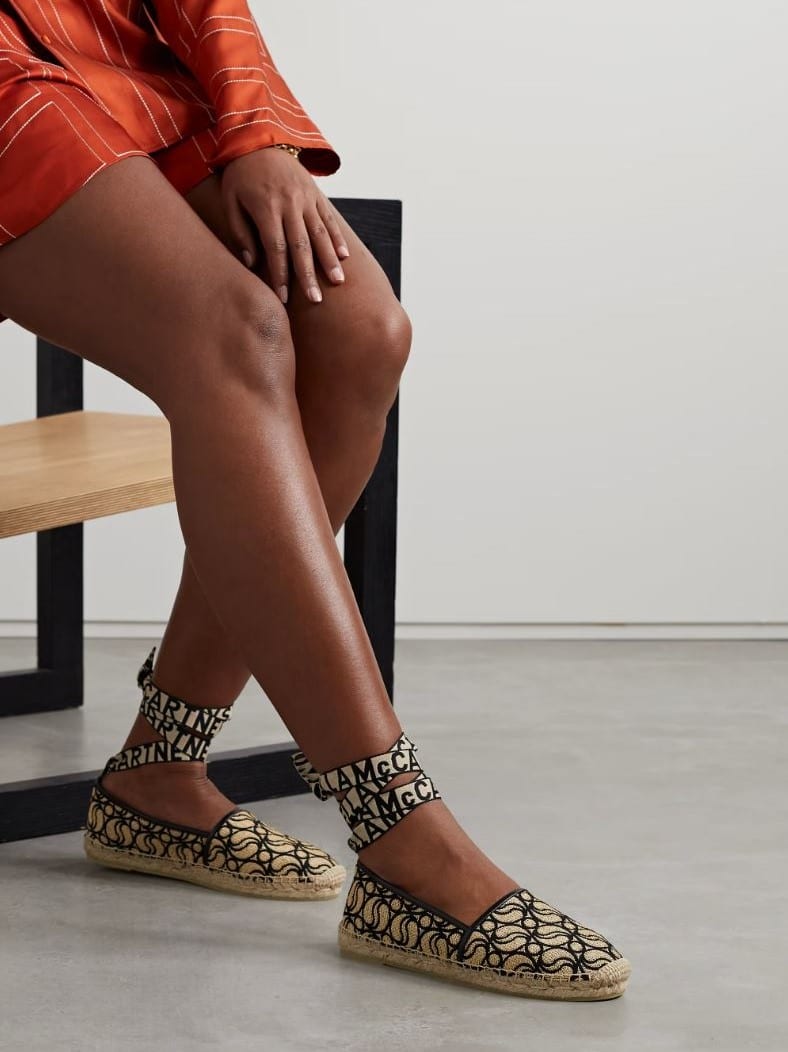
B Corp certified, with footwear handcrafted in ateliers across Portugal, Italy, and Spain, all independently audited. Sandals, ballet flats, loafers, mules, and boots in LWG-certified leather with vegetable-tanned linings and rubber soles. Packaging is recycled throughout, and worn pieces resell well through Vestiaire Collective.
Reformation
Climate-neutral since 2015 and now climate-positive, having reduced product carbon intensity by 29% between 2021 and 2025. Footwear uses Leather Working Group gold and silver audited leather, with 75% less virgin plastic than conventional footwear. Full environmental impact of every product published via RefScale.


Christy Dawn
Best known for its vintage-inspired dresses, Christy Dawn also makes ballet flats in Los Angeles and boots handcrafted by master artisans in Spain using 100% Italian leather. The uncoated leather develops a patina with wear, and the boot uppers take up to eight hours to cut and sew.
Veja
The French sneaker brand with a cult following in Australia. Fairtrade certified and made in Brazil, Veja sources organic cotton from small farming cooperatives and wild rubber from the Amazon. One in four pairs is vegan, and the brand has published its full supply chain since 2005.


Rothy’s
Rothy’s knit their shoes from recycled plastic bottles using a 3D knitting technique that produces less than 1% upper material waste compared to the 25 to 50% typical in conventional shoemaking. Since launching in 2016, they’ve repurposed over 179 million bottles. The factory is LEED Gold certified and zero waste certified, and all shoes are machine washable. They also run a take-back program for worn pairs. The range covers flats, loafers, heels, sneakers, and clogs for women, men, and kids.
Collective Canvas
A New Zealand brand making simple, unisex canvas sneakers from organic cotton, natural latex rubber, renewable castor oil, and water-based glues. Every material is chosen to biodegrade at end of life, and the cork veneer insoles are a genuinely nice detail. The brand works exclusively with one factory in Dongguan, China, and publishes a cost breakdown so you can see exactly where your money goes, which is rare. Workers are paid a living wage and receive meals, health insurance, and pension contributions.
We hope you like the brands we recommend on The Green Hub. Our editors select each one independently. We may receive an affiliate commission when you follow some links.
Sustainability is an ongoing journey, and brands evolve over time. We do our best to keep this guide accurate and up to date, but certifications lapse and links occasionally break. If you spot something that needs a refresh, let us know.
The brands featured meet a range of ethical and sustainable standards, from certifications and living wages to transparent supply chains. That said, ethics are personal. This guide doesn’t cover every factor — like use of animal products or local manufacturing — so we always recommend checking a brand’s About page to see if their values align with yours.