Australian Fashion Brands With Resale and Take-Back Programs (2026)

These are the Australian and New Zealand fashion brands with their own resale platforms, take-back programs, and clothing recycling initiatives, so you can buy, sell, or return directly through the brand rather than relying on third-party marketplaces.
As resale platforms fill up with fast fashion, it’s getting harder to find great quality secondhand clothing in Australia. But at the same time, more local brands are starting to take responsibility for what happens to their clothes after they’re worn.

Australian Fashion Brands With Resale, Take-Back & Clothing Recycling Programs
Some have launched dedicated resale platforms. Others run take-back programs, repair services, or textile recycling initiatives designed to keep garments in use for longer and out of landfill.
These are the Australian (and New Zealand) fashion brands that let you buy, sell, return, or recycle clothing directly through them, without relying on the resale roulette of online marketplaces.
We’ll keep updating the list as more brands introduce circular programs or expand existing ones.
Brands with their own resale platforms
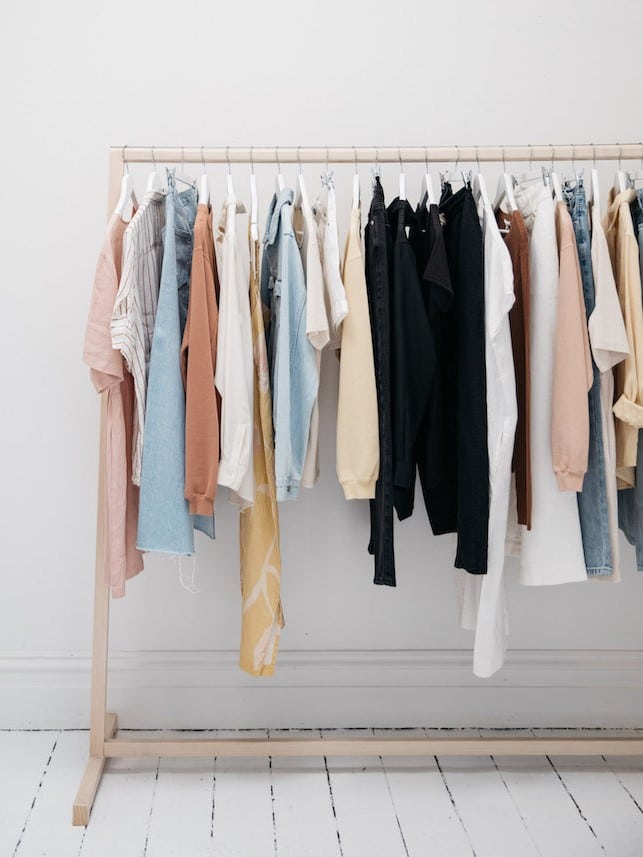
Assembly Label Re-worn
Assembly Label’s Re-Worn program takes back your old Assembly pieces. You bring back the items you’re no longer wearing (any condition is okay), and they sort through everything in their Sydney HQ.
Pieces that are still in great shape are professionally cleaned, repaired if needed, and resold in small curated drops, online or in Re-Worn pop-ups. You get 20% off your next purchase as a thank you.
Anything that’s too damaged to sell is handed over to SCR Group, a local textile recycling partner. Depending on the condition, items might be shredded into rags, processed into industrial biofuel, or broken down for use as yarn.
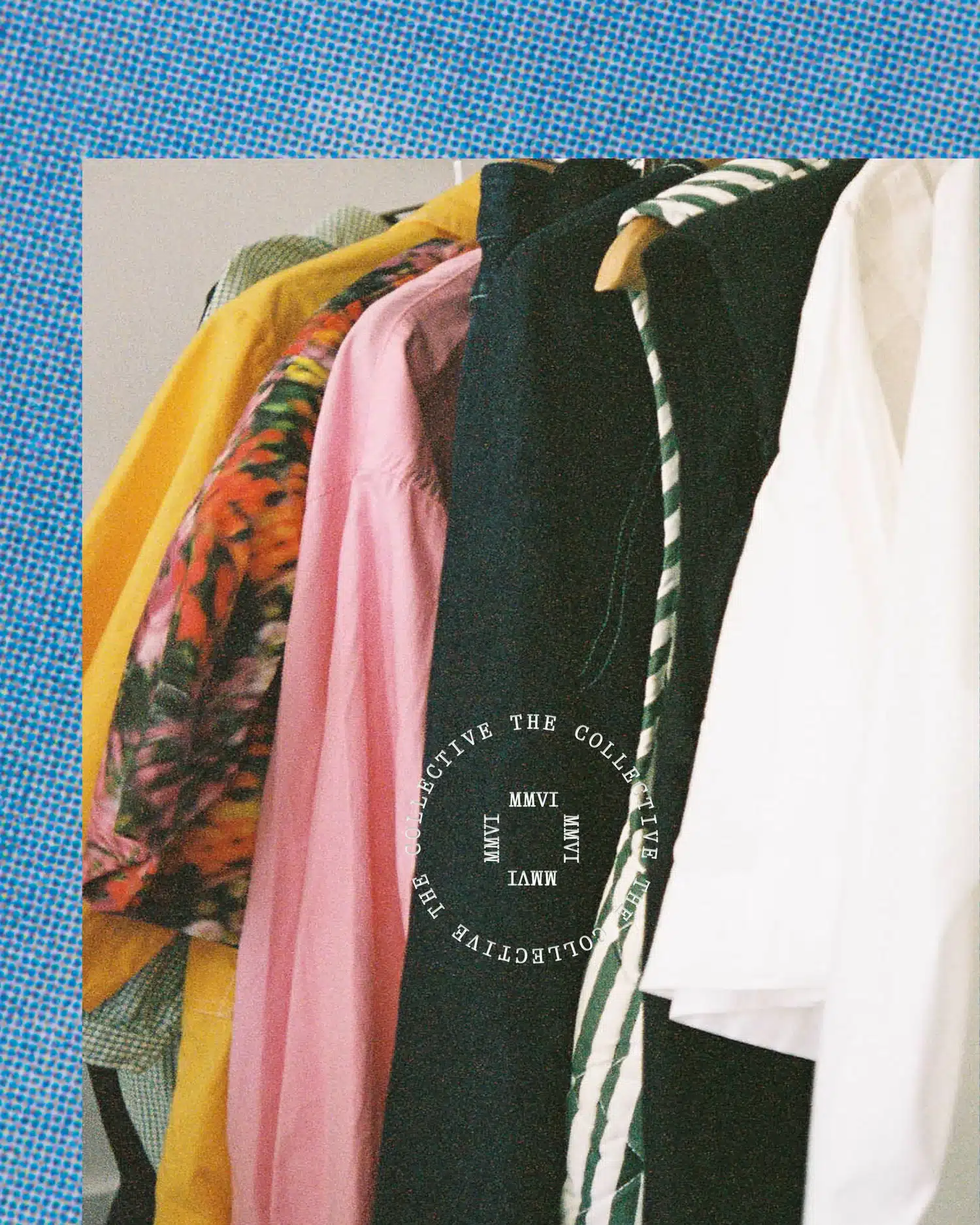
Kowtow – Relove
Kowtow’s Relove platform gives their Fairtrade cotton pieces a second chance, while rewarding you with loyalty points.
It’s part of their wider circularity initiative, The Kowtow Collective, which makes buying and selling pre-loved Kowtow as easy as logging into your account.
If you’ve got a Kowtow piece you’re ready to part with, list it through the Collective and set your price. Once it sells, you ship it off and receive store credit.
Looking to buy? You’ll find a curated feed of gently worn Kowtow garments, often including old favourites you might’ve missed.

Spell – reSpell
Spell fans have been swapping, selling, and searching for past pieces for years, often in niche Facebook groups and dedicated resale pages. reSpell takes that culture and gives it a permanent home on Spell’s own site.
You can buy directly from other Spell lovers, with each listing verified and managed through the platform. It’s still peer-to-peer, but the process is far simpler than trawling through Marketplace or auction-style groups.
If you’re after a sold-out style or missed a collection drop, this is your best bet.
You can also list your own gently worn pieces, hang onto them until they sell, and pass them on when the time comes.

Lorna Jane Preloved
Lorna Jane runs a resale program through their site, offering secondhand pieces sent in by customers.
Items are reviewed and listed by the brand, and sold at a reduced price.
It’s not a huge catalogue — the range depends on what’s been returned — but for regular LJ wearers, it’s a simple way to rehome old gear or pick up something familiar for less.
You can also send back your own pre-loved pieces to be listed.
Nudie Jeans – Re-use
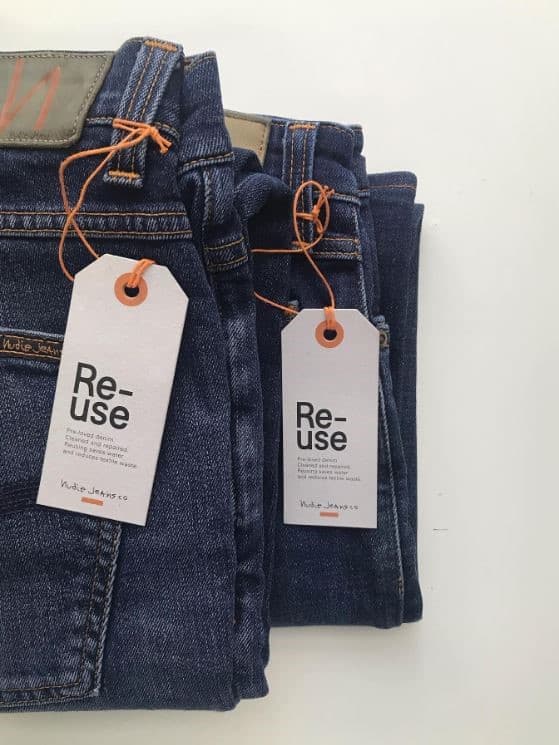
Used, pre-owned, vintage, handed down, second hand, third hand, fourth hand. Nudie just calls it Re-use.
Hand in your old pair at participating Nudie Jeans Repair Shops or partners, where they’re washed, repaired if needed, and put back on the rack to be bought again. With 20% off your next pair as thanks.
They also repair worn jeans, reuse the fabric for patches or redesign, and recycle anything too far gone, keeping denim in use for as long as possible.

ReCreate Relove
Another NZ sustainable fashion favourite, ReCreate, runs a take-back and resale program for pieces that are still in great condition.
If you’ve fallen out of love with a ReCreate garment, you can send it back to be assessed for resale on their site. If it’s accepted, you’ll receive an online store credit worth up to 25 percent of the original price.
Pre-loved pieces are then resold directly through ReCreate, keeping quality garments in circulation and making it easier to shop the brand secondhand.
Brands with take-back and recycling programs
Citizen wolf Circular
Citizen Wolf doesn’t do resale (yet), but their Circular program is a solid take-back system that ensures your old custom-fit tees and staples never go to landfill. Send them back when they’re worn out, and they’ll be responsibly recycled.
Patagonia Worn Wear
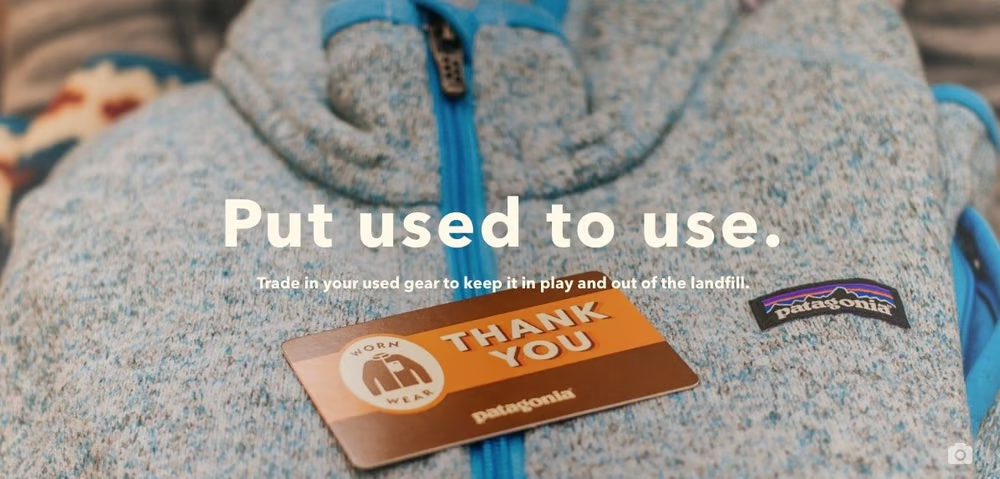
Through Patagonia’s Worn Wear program, you can send in your used Patagonia clothing and gear for store credit — up to 25% of the original retail price. Items are assessed, then either resold through the Worn Wear platform or recycled if they’re no longer wearable.
You can post them in or drop them off at select stores.
RecycleSmart
RecycleSmart partners with local councils to pick up your unwanted clothing (and a bunch of other hard-to-recycle items) right from your doorstep. Book a collection through their app, leave your items out, and they’ll do the rest.
Upparel
Upparel runs a mail-in program for clothing and textile recycling. You book a collection, pack up what you’re done with — including damaged clothes, odd socks, or fabric scraps — and they sort it for reuse or recycling They’ll even send you credit to spend with partner brands.
Need a fix instead?
Plenty of these brands offer repairs too. Head to our repair directory for the full list of Australian and New Zealnd brands that will repair your clothes.
Know a brand we missed? Let us know — we’ll keep this list growing.
Frequently asked questions about clothing take-back and resale programs
How do clothing take-back programs work?
Most brands either accept garments in-store or by post, then sort them into resale, repair, or recycling. Some, like Assembly Label and Kowtow, run their own resale platforms where pieces are cleaned and relisted. Others, like Citizen Wolf and Upparel, focus purely on recycling garments that are too worn to sell again. Most programs offer store credit or a discount as an incentive.
Can I return any brand’s clothes to a take-back program?
It depends on the program. Brand-run resale platforms like KITXCHANGE and Kowtow Relove only accept their own garments. Broader recycling programs like Upparel and RecycleSmart accept clothing from any brand, which makes them useful for clearing out items that don’t qualify for brand-specific programs.
Is it worth selling clothes back through a brand’s resale platform?
It depends on how much time you want to spend. Managed platforms like KITXCHANGE handle everything for you and give you 70% of the sale price, which is fair for a hands-off experience. Peer-to-peer platforms like Kowtow Relove and reSpell let you set your own price but require more effort. For items in great condition from a brand with a loyal following, brand-run resale usually gets a better price than a general marketplace.
What happens to clothes that can’t be resold?
Most programs have a recycling pathway for garments that are too worn to sell. Assembly Label sends damaged pieces to SCR Group, who shred them into rags or process them into industrial biofuel. Citizen Wolf recycles worn tees responsibly rather than sending them to landfill. Upparel accepts anything, sorting it for reuse, repurposing, or fibre recycling in Australia.
Do I need to wash clothes before returning them?
Most programs ask that items are clean and in reasonable condition before you send them back. Nudie Jeans washes returned pieces themselves as part of the Re-use process, but it’s worth checking the individual brand’s instructions before posting anything.
We hope you like the brands we recommend on The Green Hub. Our editors select each one independently. We may receive an affiliate commission when you follow some links.
Sustainability is an ongoing journey, and brands evolve over time. We do our best to keep this guide accurate and up to date, but certifications lapse and links occasionally break. If you spot something that needs a refresh, let us know.
The brands featured meet a range of ethical and sustainable standards, from certifications and living wages to transparent supply chains. That said, ethics are personal. This guide doesn’t cover every factor — like use of animal products or local manufacturing — so we always recommend checking a brand’s About page to see if their values align with yours.