Related: The Best Reusable Food Storage Containers Australia
How to Reduce Plastic Chemicals: Simple Swaps You Can Make at Home

Reducing the plastic chemicals in your body comes down to one thing: how often plastic touches what you eat and what you put on your skin. The changes that count most are cooking more from whole ingredients, leaning off packaged and canned food, swapping plastic kitchenware for glass or steel, and choosing personal care without synthetic fragrance.
The University of Western Australia’s PERTH Trial, published in Nature Medicine, put this to the test. Researchers found that a low-plastic diet and lifestyle dropped measurable levels of plastic chemicals in people’s bodies within seven days. Your body starts clearing these chemicals the moment you cut the source, and most of that comes down to a handful of simple plastic-free swaps in two rooms: the kitchen and the bathroom.

What are plastic chemicals, and why is everyone talking about them?
Plastic chemicals are the additives that give plastic its working properties. There are two main families: phthalates, the ones that make plastic soft and bendable, and bisphenols like BPA, which make it hard. Together they can account for as much as 70 per cent of a plastic’s weight, and both can interfere with the way your hormones work.
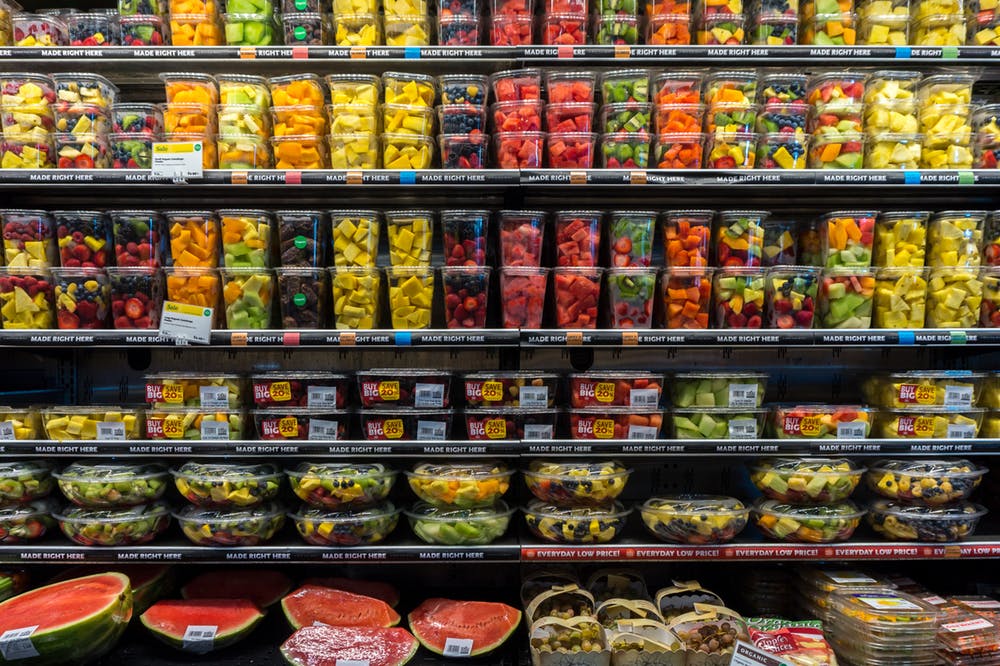
Unlike microplastics, these chemicals aren’t locked into the plastic. They leach into food, especially fatty food, and especially when heat is involved. The UWA team found that the biggest contributors were highly processed, plastic-packaged foods, and anything that comes in a can. Which is good news, because those are the ones you have the most control over.
Start with anything that touches hot food
Heat speeds up how fast chemicals move from plastic into food, so this is where to start.
Never microwave food in plastic, even containers labelled microwave-safe.
That label means the container won’t melt, not that it won’t leach. Transfer food to a plate, glass, or ceramic dish before reheating, and let leftovers cool before they go into any plastic container. The same logic applies to hot soup in plastic tubs and hot drinks in plastic-lined cups.
If you’ve been holding onto containers since the 90s, this is the time to the drawer. Scratched, cloudy, or ancient plastic containers shed more readily, so retire those first. You don’t need to replace everything in one expensive swoop. Let things wear out, then replace them with glass or steel, starting with whatever holds hot food.
Easy plastic-free kitchen swaps:
- A timber chopping board instead of plastic
- Stainless steel or wooden utensils instead of plastic ones
- A glass or stainless steel kettle instead of a plastic one (boiling water is the worst-case scenario for leaching)
- A stainless steel colander, so your pasta isn’t draining through hot plastic
- Glass, ceramic, or stainless steel mixing bowls for anything warm
- A glass or steel drink bottle and a reusable coffee cup without a plastic lining
- Baking paper instead of plastic wrap when food goes in the oven or freezer
- Anything other than plastic cling wrap: wax wraps, stainless steel containers, even a plate to cover food in the fridge
Cook more, unwrap less
The biggest change in the trial was food. Every step of processing and packaging adds another point of plastic contact before food reaches your plate, so cooking from whole ingredients removes dozens of touchpoints at once.
Shop the perimeter of the supermarket where the fresh food lives. Choose loose fruit and veg over pre-packaged, take your own produce bags, and buy from the butcher, deli, or fishmonger counter where things come wrapped in paper. This doesn’t mean cooking everything from scratch forever. It just means packaged convenience food becomes the occasional shortcut instead of the nightly default.
Plastic-free shopping tip:
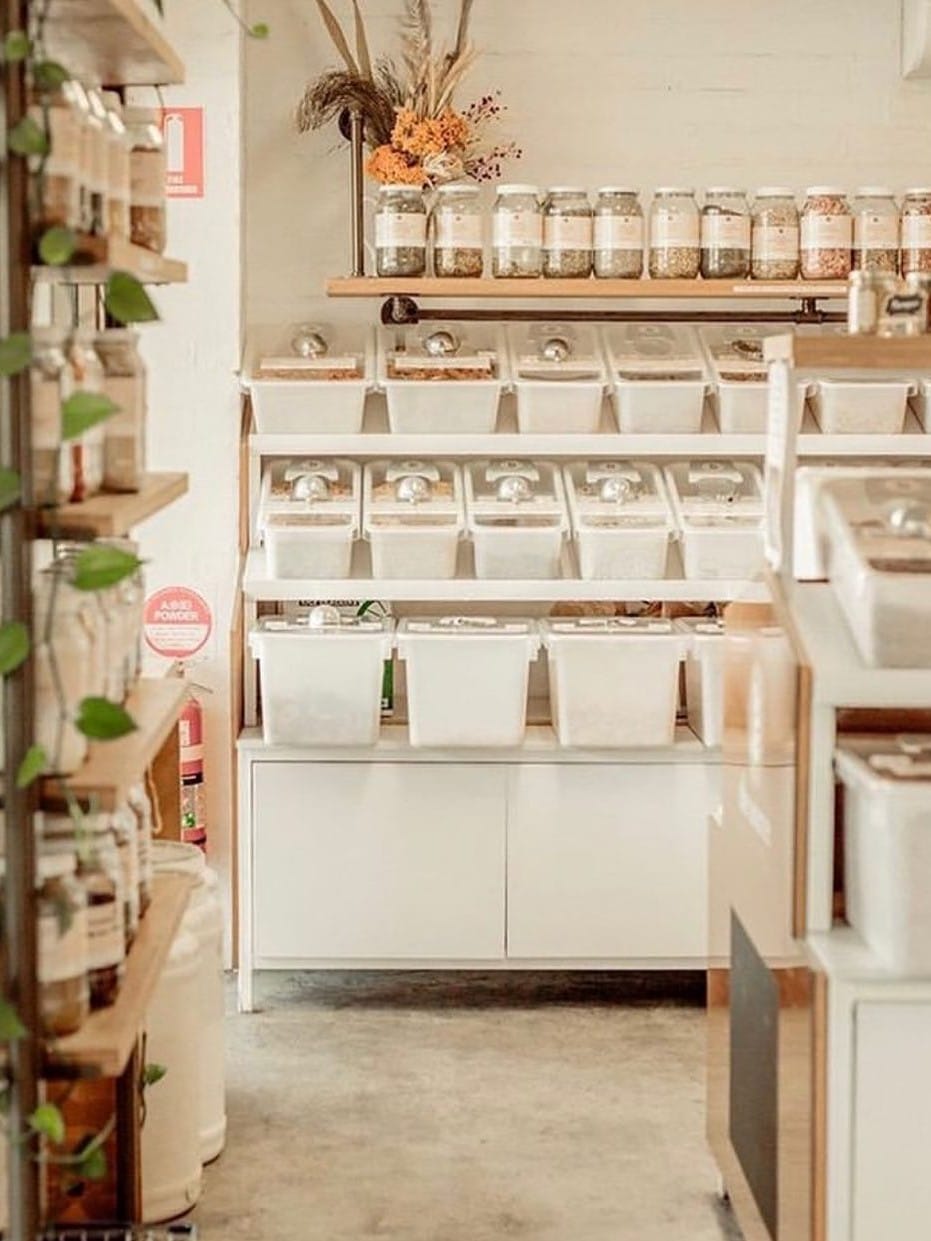
Look for bulk food stores in your area; you’ll find many of the larger chains are also available online. Here’s a list of refill and bulk food stores in Australia.
Is canned food a problem?
Most food cans are lined with epoxy resins that can contain bisphenols, so it’s worth leaning on them less where you have a choice. Where you have a choice, go for glass jars (passata instead of canned tomatoes), tetra packs, or dried versions of staples like beans, lentils, and chickpeas. Cooking dried legumes takes a little planning. But you can make them ahead in big batches, which freeze beautifully in portions, and they cost considerably less than their canned equivalents.
Do personal care products contain phthalates?
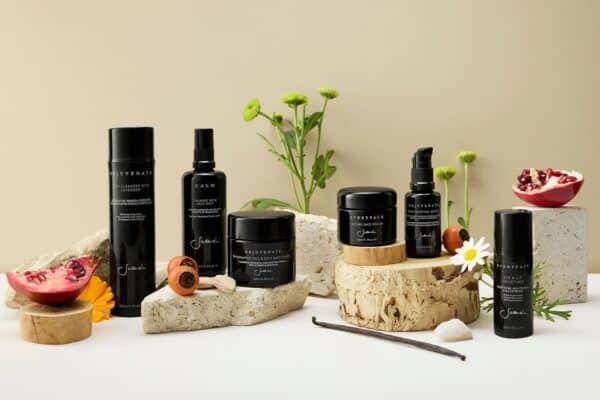
Yes, Phthalates turn up in everything from moisturiser and shampoo to deodorant and perfume, usually hidden inside synthetic fragrance, which appears on labels as just “fragrance” or “parfum”. In the UWA trial, switching to low-plastic personal care products lowered phthalate levels on its own, separate from any change in diet, so your bathroom shelf is as important as your pantry.
You don’t need to throw everything out. Check labels as products run out and replace them with better options as you go.
- Go unscented, or choose products scented with essential oils only
- If the ingredients list just says “fragrance” or “parfum”, that’s your cue to put it back. Brands that list every ingredient are the safer bet
- Shampoo, conditioner, and soap bars skip the chemicals, and the plastic bottle in one go
- Where you have the choice, pick glass or aluminium packaging over plastic, especially for anything living in a steamy bathroom
How far do you need to go to reduce plastic?
Plastic is woven into our global food system, so you won’t get your exposure to zero, and the research suggests you don’t need to. The encouraging finding from the PERTH Trial is that the body clears plastic chemicals quickly once exposure drops, and every touchpoint you remove counts.
Food Standards Australia New Zealand has surveyed packaging chemicals in Australian foods and found overall dietary exposure to be low, and the open scientific question is about long-term, cumulative exposure rather than any immediate risk sitting in your pantry.
Pick whichever swap is easiest for your household, let it become the new normal, then move to the next. The glass containers, the timber board, the loose veggies, the unscented moisturiser. Each one is small on its own, and together they add up to a lotless less plastic in your kitchen, and less of it ending up in you. The best way forward is to make gradual, sensible changes.
The UWA team’s next study will look at plastic chemical exposure and fertility, so there’s more to come.
Frequently asked questions about plastic chemicals
How long does it take to reduce plastic chemicals in your body?
According to the University of Western Australia’s PERTH Trial, levels of plastic chemicals measurably dropped within seven days of participants switching to food, kitchenware, and personal care products with minimal plastic contact. The body starts clearing these chemicals quickly once the source of exposure is reduced.
What foods are high in plastic chemicals?
Highly processed foods, plastic-packaged foods, and canned foods and drinks were the biggest modifiable sources identified in the research. Fresh, whole foods with minimal packaging carry far fewer plastic touchpoints between paddock and plate.
Is it safe to microwave food in plastic containers?
It’s best avoided, even with containers labelled microwave-safe. That label means the container won’t melt or warp in the microwave, not that chemicals won’t transfer into your food. Heat speeds up how quickly plastic chemicals like phthalates and bisphenols migrate out of the container, and fatty foods absorb them most readily. Transfer food to a plate, glass, or ceramic before reheating, and if you’re storing leftovers, let them cool before they go into any plastic container.
What was the PERTH Trial?
The Plastic Exposure Reduction Transforms Health (PERTH) Trial was run by University of Western Australia researchers, who measured plastic chemical exposure in adults over three years, then ran a seven-day trial in which participants received plastic-free kitchenware, low-plastic personal care products, and food that minimised plastic contact. The results were published in Nature Medicine in April 2026.