Related: Simple Ways to Live More Sustainably in Australia in 2026
How to Start a Street Library in Australia (And Other Borrow Libraries)

A street library is a weatherproof box of books, seeds, or plants placed in a publicly accessible spot for neighbours to take, swap, and leave. This guide covers how to start one in Australia, what type suits your space, and how to register it on the Street Library Australia map so others can find it.
You’ve probably spotted one before. A brightly painted cupboard on the verge or tucked beside a front fence, filled with dog-eared novels and a hand-written sign: “Take a book, leave a book.”

Street (or borrow) libraries are part of a growing movement to share what we already have, from stories to seeds. They’re simple, joyful, and surprisingly effective at bringing neighbours together.
Because at its heart, sustainability is more than what we buy or don’t buy.
It’s about how we live together. Sharing resources, reusing what already exists, and creating small points of connection in our neighbourhoods that all add up to stronger, more resilient communities.
Image: Old Mill Street Library, Perth

How to Start a Street Library in Australia
- Pick a good spot – Front yard, verge, community garden, school, or park. Anywhere accessible and visible works.
- Choose your structure – A purpose-built box, upcycled cupboard, old fridge, secondhand bookshelf, or even a weatherproof tub.
- Make it weather-proof – Seal it with waterproof paint, add a little roof or door, and keep it off the ground so the contents stay dry.
- Label it clearly – A hand-painted sign or printed poster with “Borrow, swap, share” sets the tone straight away.
- Keep it fresh – Do a quick weekly check to rotate stock, remove anything damaged, and add something new.
Image left: Humans of Geelong
Images below: Street Library Australia
Real-Life Street Libraries Growing Around Australia
There are now more than 6,500 registered street libraries across Australia, and you can find your nearest one or register your own through Street Library Australia.

Via The Guardian Australia
Sarah Collins set up the Carshalton Street Plant Exchange in 2023 with a simple shelf out the front of her Sydney house. It’s often stacked with frangipani cuttings, daisies, basil, even the occasional blueberry bush.
“Like many gardeners, I struggle to throw away plants that are easy to propagate. I thought I’d see if fellow gardeners in the neighbourhood would like them instead.”
The swap shelf has since become a regular stop for neighbours who leave cuttings, chat, and take something new home.
Over in another Sydney street, Kelly’s front-yard plant library has been going strong for two years. She started with a few spare cuttings, and now neighbours drop by regularly. “I’ve always thought gardens were for sharing, if something doesn’t cost you anything, why not share?”


Types of borrow libraries to start in your street
Book Libraries
The simplest place to start. All you need is a weatherproof box — an old cupboard, filing cabinet, or purpose-built library kit will do. Paint it bright so it stands out, pop in a few books to seed the collection, and let neighbours add to it over time. If you’ve got kids around, a shelf at their height helps them get involved too.
Tip: Cookbooks and children’s books are usually the first to go, so keep an eye out for extras at op shops or garage sales to top it up.
Seed Libraries
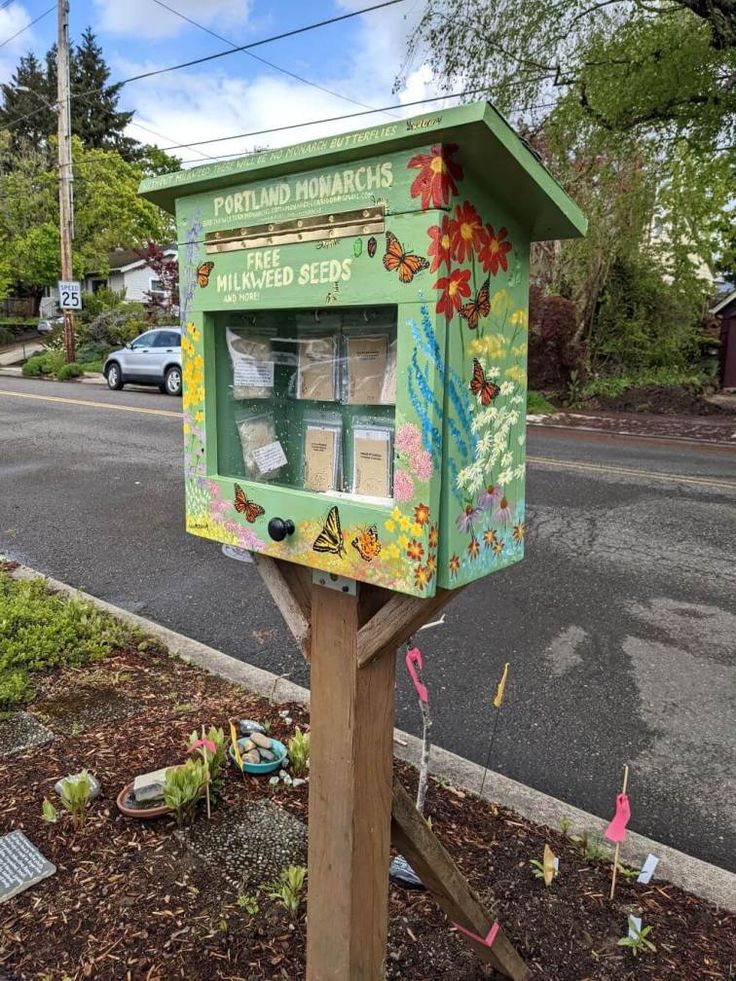
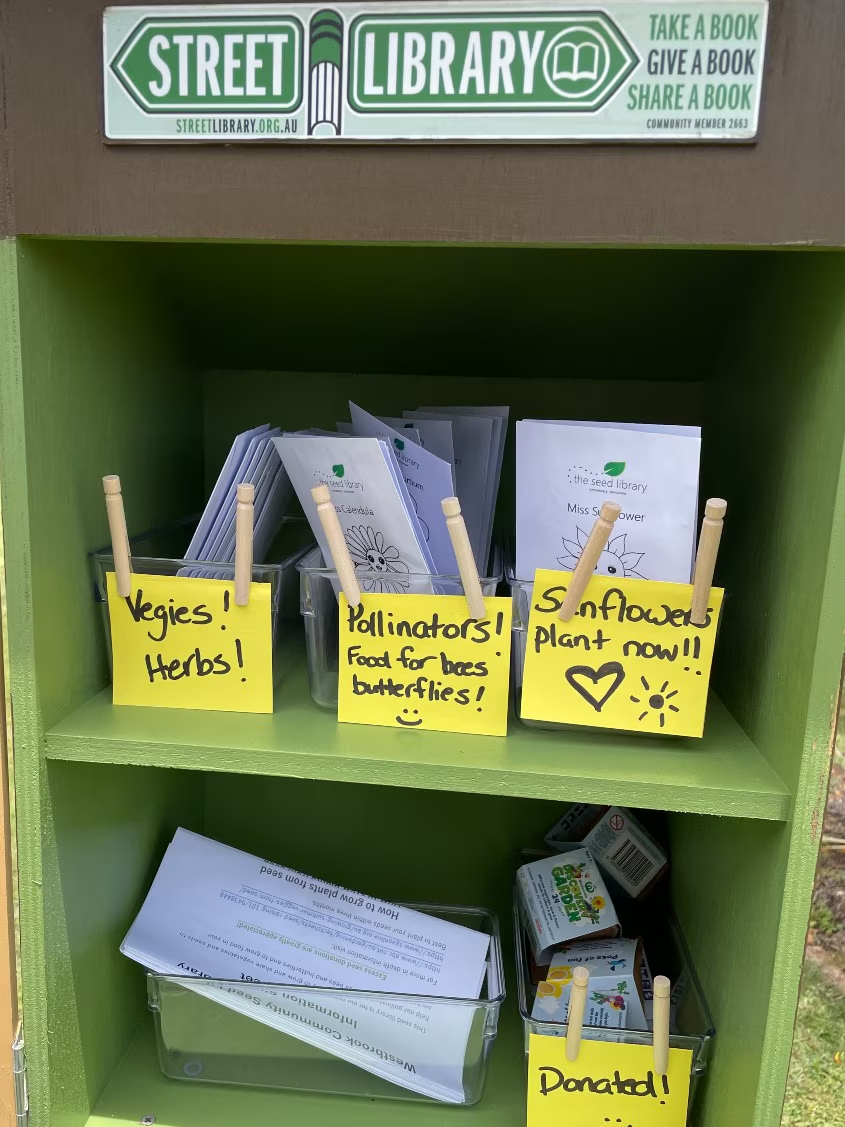
A great option if you garden or want to encourage more local food growing. Saving and sharing seeds is also an easy way to keep local varieties alive — and it’s even better if you include natives. Flowering species like Chrysocephalum apiculatum (yellow buttons) or Brachyscome (cut-leaf daisy) support pollinators, while edibles like warrigal greens or Prostanthera native mint bush add something uniquely Australian to backyard gardens.
Tip: Use jars, tins, or envelopes to store seeds, labelled clearly with the plant name and a quick sowing guide. A repurposed letterbox or small drawer makes a great weatherproof “seed station.”
Images: Left via savethewesternmonarchs.com. Right via ABC
Plant Libraries
Perfect for anyone with an overflowing garden bed or your garden tends to produce more cuttings than you can handle. Turn the extras into a community resource and give your neighbours a head start on creating habitat. Herb and veggie seedlings are great for beginners to learn how to grow their own food.
A crate, shelf, or stand works as a simple plant station. Pop handwritten tags in each pot with the plant name and care notes like “full sun, attracts bees” or “shade tolerant, low water.” These little cues help people choose something suited to their space and give it the best chance to thrive.
Tip: Plants that support biodiversity (flowering natives, shrubs for nesting birds, groundcovers for lizards) turn your swap into a mini rewilding project.
Tool & Toy Libraries
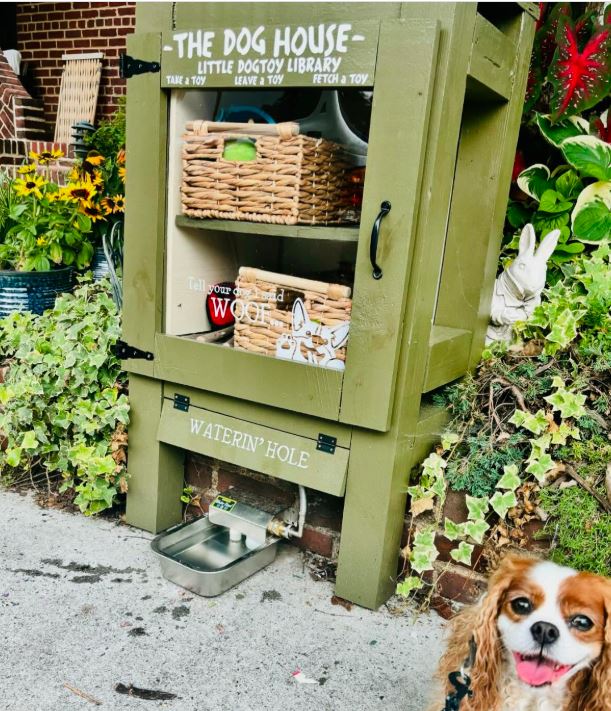
These take more planning but can have a huge impact. A toy swap keeps plastic out of landfill and gives kids novelty without the clutter. A tool library means fewer people buying drills or sanders they’ll only use once. Start small with duplicates or items you’re happy to lend, and create a basic sign-out sheet or group chat to keep track.
Tip: Pair the library with a “skills swap” day — someone borrows the tools, someone else teaches how to use them. It builds confidence and community know-how.


Tips to Keep Your Borrow Library Going
- Start small — books or seeds are easiest to launch.
- Add personality — paint it bright, add artwork, or attach a chalkboard for notes.
- Connect online — let locals know through your community Facebook group.
- Encourage respect — most people will happily follow the “take one, leave one” spirit if the space feels cared for.
Community libraries are small acts of generosity that ripple outwards, saving resources, sparking conversations, and reminding us that sharing has a place in our everyday lives
Image via Evanston Round Table
And if you’re looking for more ways to live a little lighter
The Green Hub has been sharing practical advice on sustainable living since 2015. From native gardening and ethical fashion to food waste and climate-friendly habits, we’re here to help you start, or keep going, wherever you’re at.
Frequently asked questions about street libraries
Do I need council permission to start a street library?
In most cases, no, if it’s on private property like your front yard or attached to your fence. If you want to place one on a verge or in a public park, it’s worth checking with your local council first, since rules vary. Street Library Australia has guidance on this and can help you navigate the process.
How do I register my street library in Australia?
You can register through Street Library Australia, which adds your library to their national map so neighbours can find it. There’s a small fee for registration and signage, but it’s not required to run a library.
What’s the best structure for a street library?
A weatherproof wooden box with a door or lid is the most common, but repurposed cupboards, old fridges, filing cabinets, and even large pots have been used. The key requirements are that it keeps contents dry, is off the ground, and is clearly labelled so people know it’s a community resource.
Can I start a seed or plant library instead of a book library?
Yes, and they’re increasingly popular in Australia, particularly among gardeners. A seed library works well with labelled envelopes or jars stored in a small weatherproof box, and a plant library can be as simple as a crate or shelf with tagged pots. Both encourage community growing and reduce the need to buy new seedlings.
How do I keep a street library stocked?
Most street libraries are self-sustaining once they get going, with the community adding as much as they take. A weekly check to remove damaged items and add something fresh keeps it feeling cared for. Letting your local community Facebook group know it exists is usually enough to get it started.