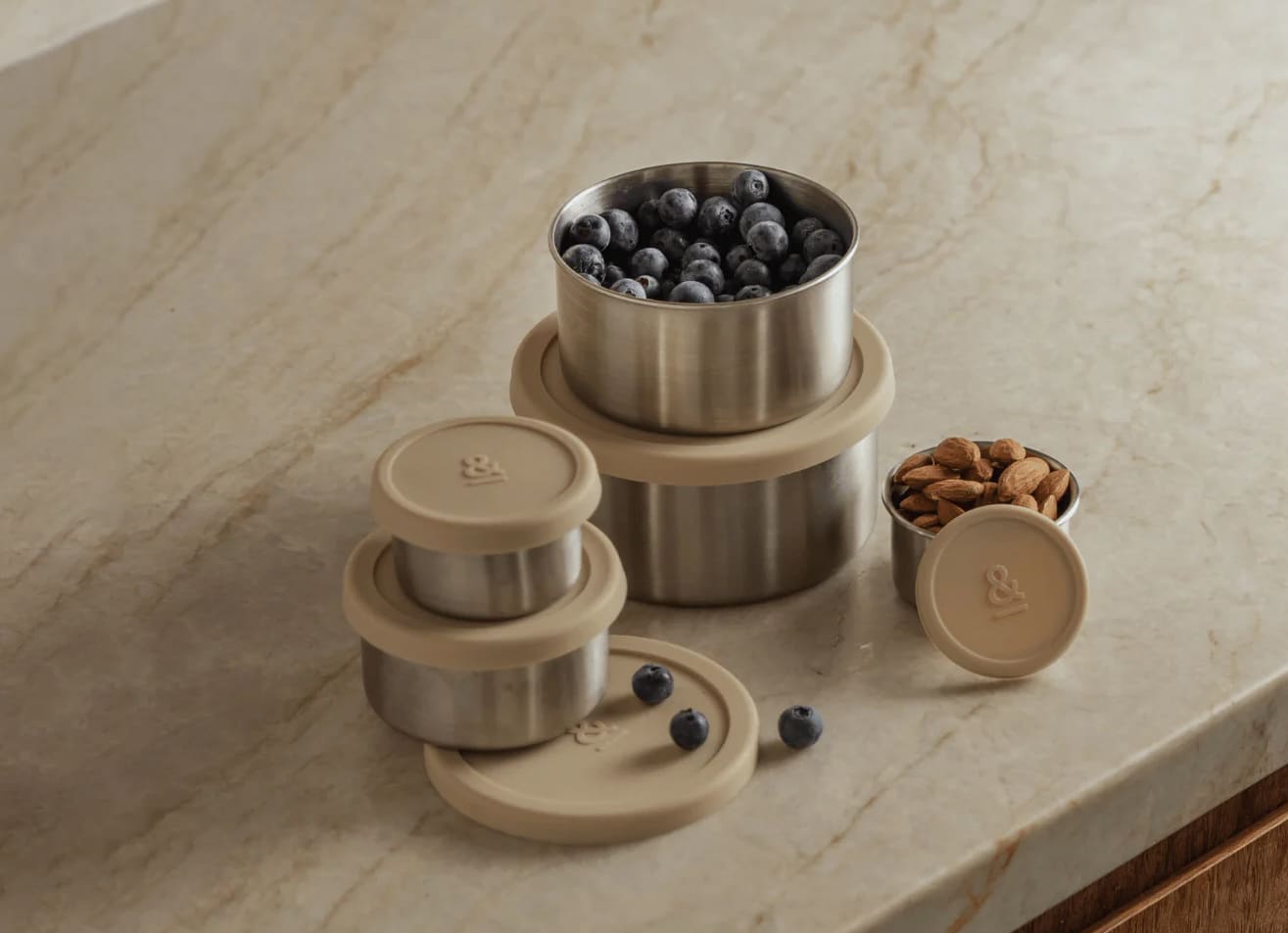
Seed & Sprout makes some of the most popular sustainable kitchen and storage products in Australia, and its stainless steel food containers are among the best sellers.
I’ve tested a lot of sustainable products over the years, and food containers are one of those swaps where I’ve tried almost everything from plastic to silicone to those cute but darn heavy glass ones with the bamboo lids.
I’ve been using this full set daily for the past month. Here are my thoughts.
At The Green Hub, we test sustainable products to find out whether they’re worth the investment.
Plenty of brands promise eco-friendly alternatives, but not all of them work well enough to replace the everyday things we rely on. We’re looking for products you’ll use for years, because the most sustainable thing you can own is something you don’t have to replace.
Seed & Sprout Stainless Steel Containers Review
These containers got the full treatment of daily lunches, beach trips, fridge storage, dishwasher cycles, and a month of being tossed around in the bottom of my bag.
Quick Verdict
- Best for: Anyone who packs lunch for work and wants something lighter than glass
- Where to buy: Direct from Seed & Sprout
- Sustainability highlight: 304 grade stainless steel (100% recyclable), LFGB certified silicone lids, made to last
- Rating: 4.5/5
- In a sentence: A plastic-free container set that’s lighter than glass, built to last for years, and one of the easiest sustainable kitchen swaps you can make.
Sizes, Prices and What’s Included
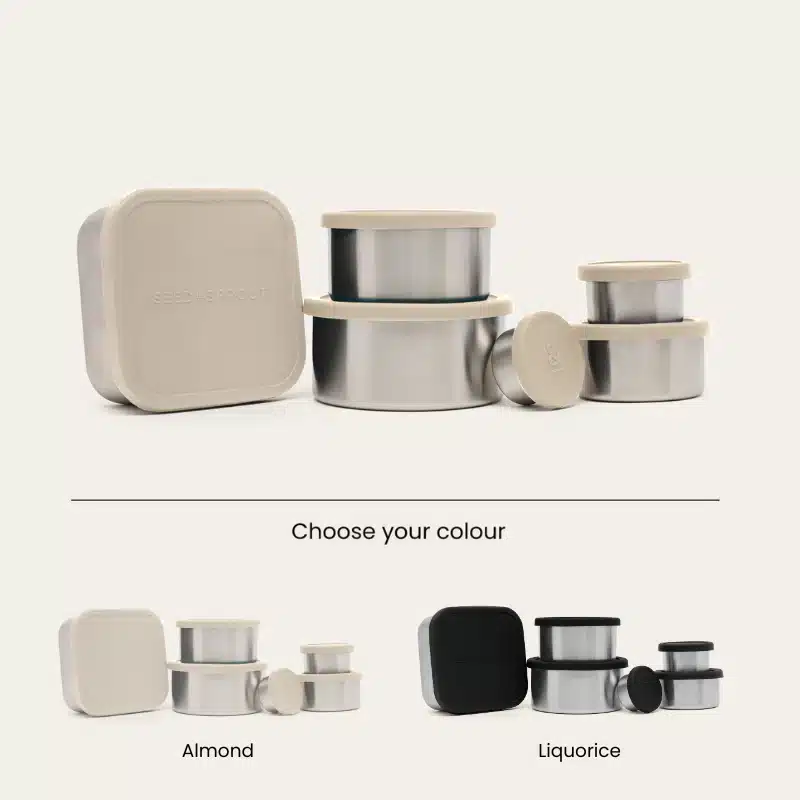
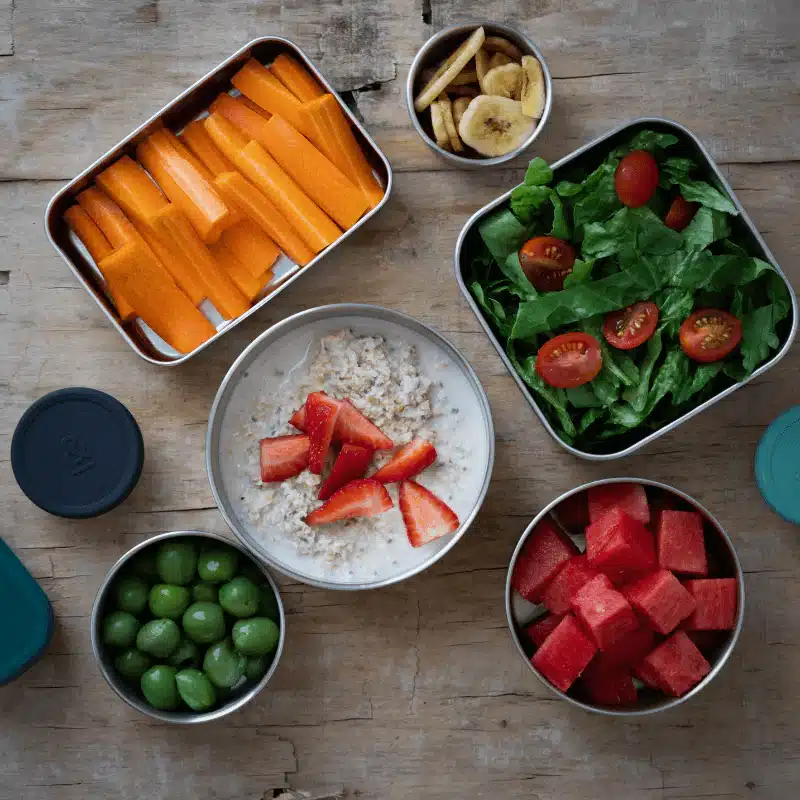
The bundle includes a range of container sizes designed for snacks through to full meals.
The Details:
- Full product name: Seed & Sprout Stainless Steel Food Container Set
- Price: $102 for the set. Individual pieces start from $24.95
- Size / volume: Snack Pot 740ml; Nesting Set of 3: 50ml, 110ml, 220ml; Nesting Set of 2: 400ml, 680ml
- Available in: Liquorice (black) and Almond (neutral)
- Made in: China (ethical manufacturing partners)
Features:
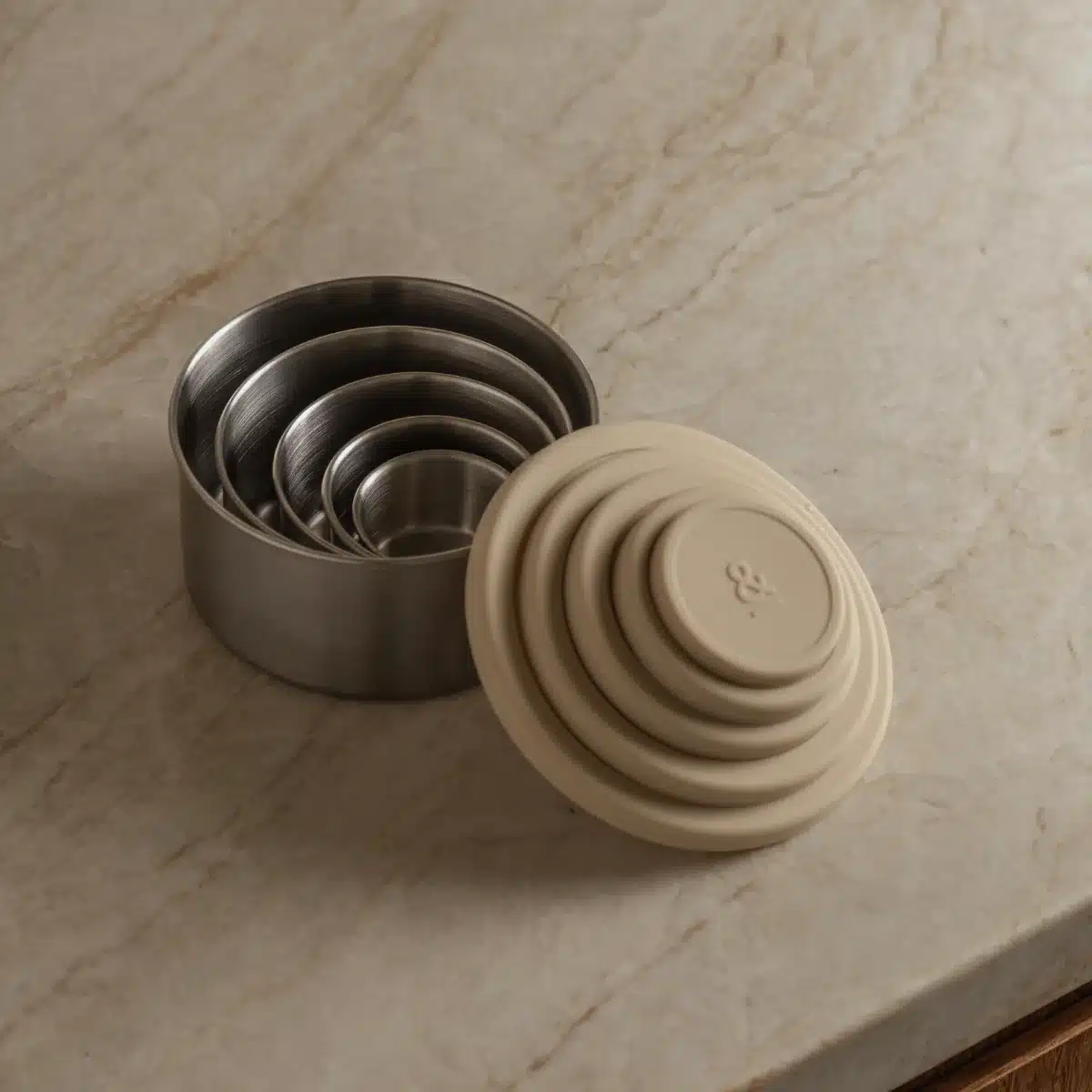
All containers are made from 304-grade stainless steel, a food-grade steel commonly used in cookware. The lids are LFGB-certified silicone, which is flexible, durable and heat-resistant. The whole set nests together, so it stacks neatly in a cupboard rather than eating up an entire shelf.
What I Liked
The weight difference is the first thing I noticed. My old glass containers with bamboo lids were sturdy but heavy, and lugging them around every day got old. The stainless steel feels almost nothing in your bag compared to glass. I’ve also dropped my fair share of glass containers on the kitchen floor. When you drop a stainless steel container, all it does is bounce.
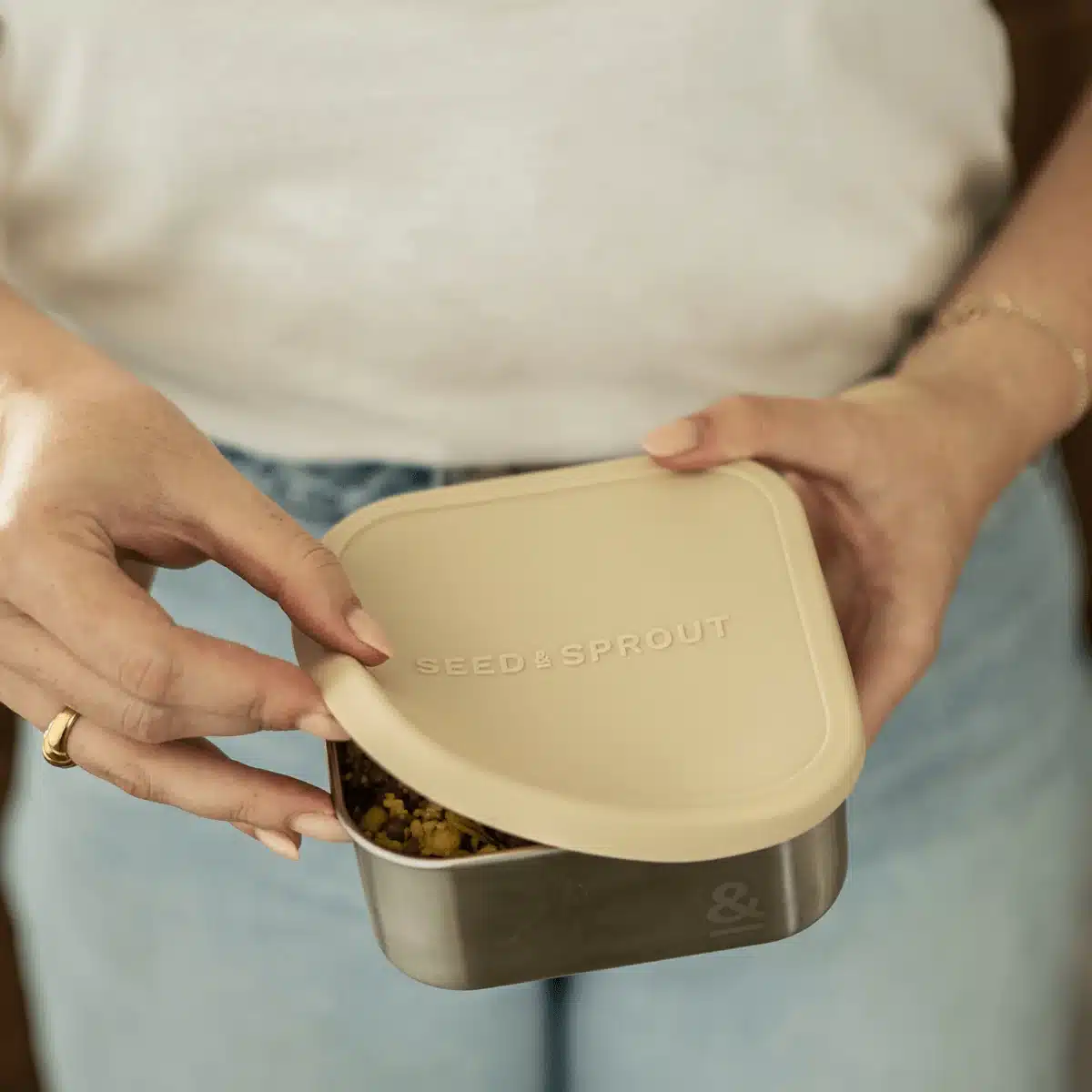
The seal is excellent. The silicone lids lock on firmly and do not budge. I’ve had these rolling around loose in the bottom of my bag without a single leak. I wouldn’t trust them with soup or anything very liquid outside the fridge, but for leftover pasta and similar meals, you’ll have no issues.
There’s a great range of sizes. The larger containers fit a solid lunch portion of leftovers. The smaller nesting ones are perfect for fruit, yoghurt or snacks, and the tiny pots are ideal for nut butter, dressings and sauces. Everything I actually need for a day’s eating fits across a few pieces.
I used them to store some ends of food in the fridge, and I was impressed with the airtightness. Half a cucumber stayed crisp after five days.
In the month I tested them, these containers took a beating. Daily use and dishwasher runs, beach trips stored in an esky and exposed to sand, and rolling around in bags. They came through with minimal scratching, and the lids didn’t warp.
Value-wise, these are containers you’ll keep for a long time, and are worth the investment for something you’ll likely have for decades.
What I Didn’t Love
You can’t microwave stainless steel, which is obvious and a very minor inconvenience. If you’re reheating leftovers at work, you’ll need to tip food into a bowl first. Not a dealbreaker, just an extra step.
The steel heats up fast when you’re spooning in hot food. Don’t hold the container in your hand while filling it. Leave it on the bench, and you’ll be fine, but it caught me off guard the first time.
How Sustainable Are Seed & Sprout Stainless Steel Containers?
Durability
The all-important longevity question. Will you buy this once, and will it last? First, stainless steel doesn’t degrade with use, so these containers should last a decade or really, even more, with normal care. So yes, definitely a buy me once product. Now, the silicone lids may wear out sooner. Silicone typically doesn’t degrade with normal use, but I can’t guarantee they will still be in good nick after 20 years. So they may potentially need replacing one day.
Materials
The containers are 304-grade stainless steel, a food-safe alloy used in commercial cookware and medical equipment. Unlike plastic, it doesn’t leach chemicals into food, even with acidic or hot contents. There are no plastic linings, no non-stick coatings, and nothing that breaks down or degrades with use. The lids are LFGB-certified silicone, a German food safety standard that’s stricter than the more common FDA certification. It tests for chemical migration into food, including heat exposure, and it’s one of the highest food-contact safety standards available.
End of life
Stainless steel is 100% recyclable through standard metal recycling streams in Australia. Silicone isn’t recyclable through kerbside collection, but it’s inert in landfill (it doesn’t break down into microplastics the way plastic lids and seals do), and some specialist recyclers accept it.
Manufacturing
Seed & Sprout manufactures with ethical partner facilities in China, but they don’t publish a detailed supply chain audit on their site.
Packaging
The containers ship in cardboard packaging with no plastic wrapping or inserts.
Who It’s Best For / Who Should Skip It
Perfect for anyone trying to reduce plastic in the kitchen and wanting something that will last you years. If you meal prep leftovers, pack lunches for work, or just want food storage that doesn’t stain, smell, or need replacing every couple of years, these fit the brief. If you’ve already made the switch to glass but find it too heavy for daily transport, these are a worthwhile upgrade. If you have a small kitchen, the nesting design is a great space saver.
I probably wouldn’t recommend them for kids’ lunchboxes. Seed & Sprout have purpose-built options that make more sense for little hands. And if you reheat everything at the office and don’t want the extra step of transferring to a bowl, that might bother you.
Where to Buy
Available direct from Seed & Sprout. They ship Australia-wide. Individual pieces and sets are all available separately, so you can start with one container and build from there. Check the site for current bundle deals or free shipping thresholds.
Use the code
Find More Brands We Recommend
Our Sustainable Brand Directory curated with brands we trust. Every listing is vetted, and we update the directory regularly as new brands emerge. If you’re making more swaps like this one, it’s a good place to start. We also keep a discount codes page with current deals from brands in the directory.
FAQs
Are Seed & Sprout stainless steel containers leakproof?
Yes, the silicone lids create a strong, airtight seal. They handle solid and semi-solid foods without any leaking. I wouldn’t trust them with soup or very thin liquids in a bag, but for everyday lunches they’re reliable.
Are stainless steel food containers safe?
Yes. 304-grade stainless steel is used in commercial cookware and medical equipment. It doesn’t leach chemicals into food, even with acidic or hot contents. The silicone lids on the Seed & Sprout containers are LFGB certified, which is one of the strictest food-contact safety standards available.
What are the best plastic-free food containers in Australia?
Seed & Sprout is one of the strongest options for plastic-free food containers designed to last. Find more of our sustainable food storage container recommendations here.
How do you clean Seed & Sprout containers?
They’re fully dishwasher safe, lids and all. They don’t stain and don’t hold odours, which is a noticeable step up from plastic or even some glass containers.