I’m an advocate for buying local and shopping for your food at farmers markets.
You’re supporting local farmers, there’s more opportunity to buy organic and your food has less miles to travel, reducing your carbon footprint.
It’s an ideal scenario but one which is not always possible or accessable.
Not everyone lives in a country town or in a city near a farmers market. Most markets are only operational on the weekend, a time when we often have events such as kids sports games. Or it could be as simple as running out of something midweek and buying from the big two is often the only option available at the time.
When you can, please do find a farmers market near home, support an independent such as IGA or a farm to table home delivery service for your weekly shop. It’s a step toward living more sustainably and often, the food quality is better.
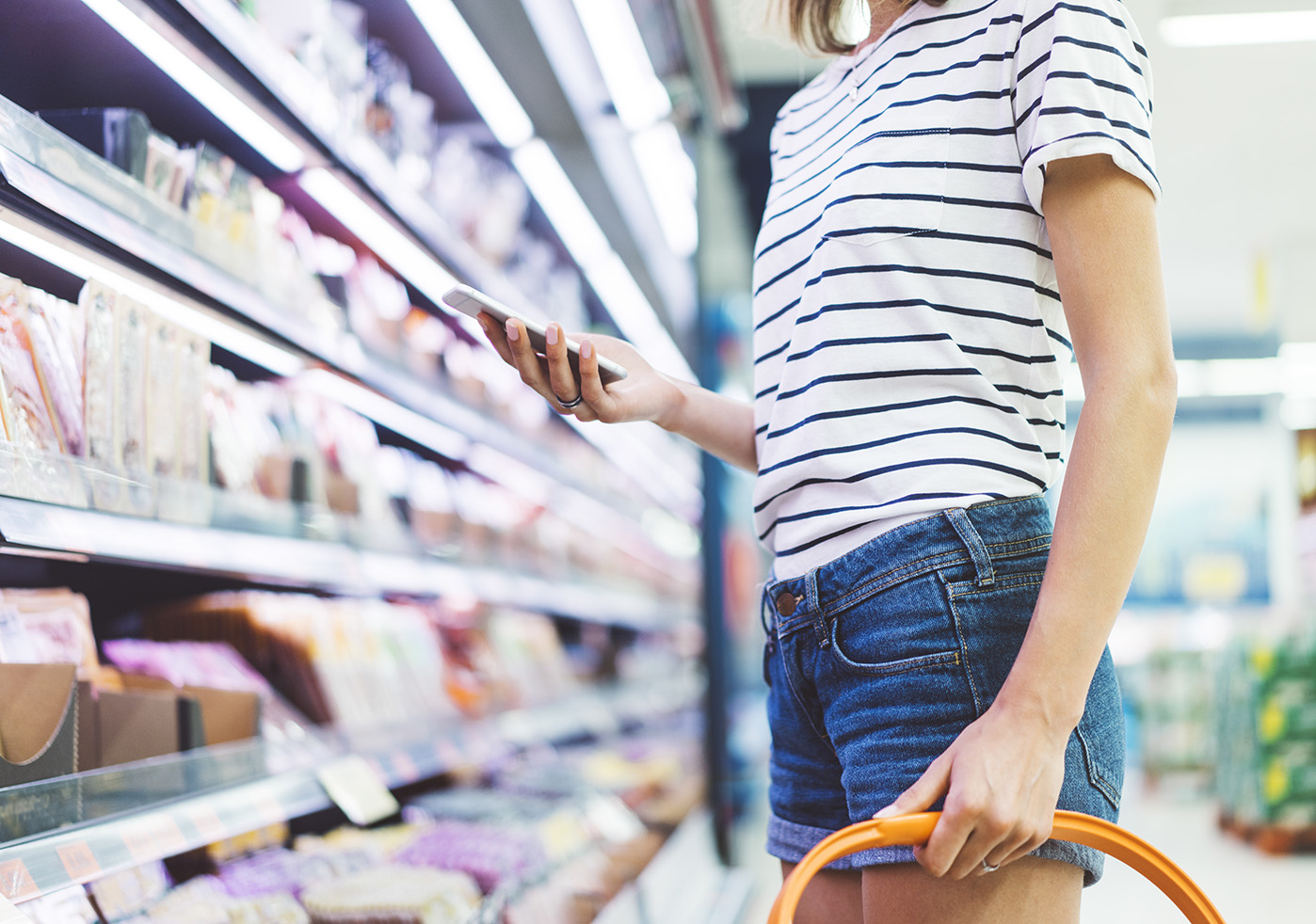
But for those times you can’t, here are my tips for shopping sustainably at Coles or Woolworths.
BYO Bags
This is a great place to start! Bring your own shopping bags and produce bags, refuse plastic and save the planet. Pretty simple right? That is, until you forget your bags. I know how easy it is to forget but really, make it a habit, don’t be lazy and soon it will become second nature.
Know your labels
Organic = food grown without the use of synthetic pesticides and insecticides. Anyone can use the word organic so look for Certified Organic products. This is a great place to start when trying to decipher organic food labelling.
Fairtrade = Fairtrade certified food means the farmer was paid a fair price for the food they grow. This often applies to coffee, chocolate and tea. Buying these few things Fairtrade Certified can have a big impact.
Australian Made = Australian food labelling has recently undergone some changes. Packaged food must carry a statement identifying either:
- the country where the food was made, produced or grown; or
- the country where the food was manufactured or packaged and that the food is a mix of ingredients imported into that country or a mix of local and imported ingredients.
Read the labels and try to choose food that has a higher percentage if not all of the ingredients made and packaged in Australia. The food labels site is a good place to learn more about how Australian food is being labelled.
Buy Organic
There are a few ways you can buy organic in the supermarkets. Fresh produce, meat and cupboard staples.
Buying organic has some obvious benefits. No synthetic pesticides or insecticides are used in growing the food, meaning better health for you, the farmer, the soil and the local fauna. But, buying organic produce also has it’s downsides. It’s often more expensive, the selection in Coles and Woolies is limited and frustratingly, the fresh food is almost always wrapped in plastic.
If buying 100% organic fresh food is not an option, stick with the Dirty Dozen. These are the fruits and vegetables which are best brought organic. For everything else, you can wash them, but read this guide first. Another way to save money is to buy frozen food. Frozen organic berries, bananas and vegetables often cost less than their fresh counterparts.
Organic cupboard staples are pretty easy to find, and often there’s little price difference to the non-organic food. Almost every type of food has an organic option from tinned tomatoes and spices to cereal and yogurt. Both supermarkets have a health food aisle, this is a great place to start. For everything else, you will find the products mixed amongst all the other brands on the shelves. it might take a little longer to find everything you need on your first shop but you will know where to find them next time. Macro Organics is the main brand in Woolworths, the packaging is purple and white. Coles have their own organic brand with packaging which is white and green.
For meat, see the tips below.
Shop In Season
Seasons don’t seem to apply anymore when we can have produce shipped in from all over the world any time of year. The supermarkets only supply out of season produce because there’s a demand for it. While it’s nice to have avocado on toast all year round, if you truly want to eat sustainable produce, eat in season.
Sustainable Table is my go to for all things sustainable food related and they have a comprehensive guide on Australian food seasons here.
Go Natural
Choose products which are kinder to the environment. Laundry powder, kitchen spray, toilet cleaner, washing tablets, shampoo, conditioner, bodywash. toilet paper. Almost every cleaning and beauty product you use can be switched out for a natural brand. I like Earth Choice for it’s price and because their products do work. Thankyou do a great range of hair and skincare products and Woolworths stocks Sukin products.
Avoid plastic
I know this one is a bit of an oxymoron when it comes to organic produce. Unfortunately most, if not all, organic produce is wrapped in several layers of plastic, even the bananas! This is where you need to decide where you values lay and choose if you buy organic plastic wrapped food or non-organic plastic free.
For everything else:
- Use produce bags for fresh fruit and veg.
- Look for bulk bins for nuts, seeds and dried fruit. Most Coles and Woolworths have them.This is where the BYO produce bags come in.
- Find oils, sauces and condiments which come in glass bottles.
- Take your own container for deli meat. This might be a battle you will lose but I have heard of the rare case where they accept it. It’s worth a shot.
Choose sustainable animal products
Eggs
Our recent story on egg labels caused a bit of a stir because as a society, we’ve been (mis)led to believe free range eggs are the good option. Not so much. Turns out the only ‘free range’ chickens are those which are raised in pastures so when you’re buying eggs, look for the ‘pasture raised’ label.
Beef
Both Coles and Woollies have a Certified Organic meat section. It’s more expensive, but if you’re reducing how much meat you eat and up the vegie intake each week, you will still save money. Coles sell Cleavers beef which are pasture raised on farms and free from hormones. Woolworths sell some Cleavers as well but mostly Macro Organics which have no information about where or how the animals are being raised.
Seafood
Seafood is a tough one. The fact of the matter is, our oceans are being overfished and the Sustainable Seafood label may simply be a form of greenwashing to keep us seafood lovers happy. It’s not a subject I have delved into yet, so in the meantime, do your own research starting with the Sustainable Seafood App and keep the seafood buying to a minimum.
Dairy
Dairy is easy, it’s not ethical full stop. Cow’s are artificially inseminated and their calves removed from the mother 12-24 hours after birth to be killed and eaten as veal. Commercial dairy cows repeat this cycle for up to seven years. I love cheese and indulge from time to time, but for everyday, I use almond milk or dairy replacements. Nudie and Coyo do great yogurts and Nutty Bruce or So Good Vanilla Almond milk are the best for coffee.
It’s also a myth that you need dairy for calcium. Eat some spinach or almonds instead.
Honey
For non vegans, organic honey is the best option. For vegans pure maple syrup is delicious.
Do you have any tips to add? Leave them in the comments below.