Related: Walking Into The Wild On The Tasmanian Overland Track
Travelling in Nepal – Kathmandu, Pokhara and Trekking in the Himalaya
This blog was published in 2016 and some information may be out of date.
Last year, Dave and I wanted to visit somewhere a little different and get out of our comfort zone. Both of us wanted a new adventure, something out in nature and of course, delicious food. When I started researching destinations, Nepal jumped out at me immediately and before you could say ‘Momos’ our flights were booked.
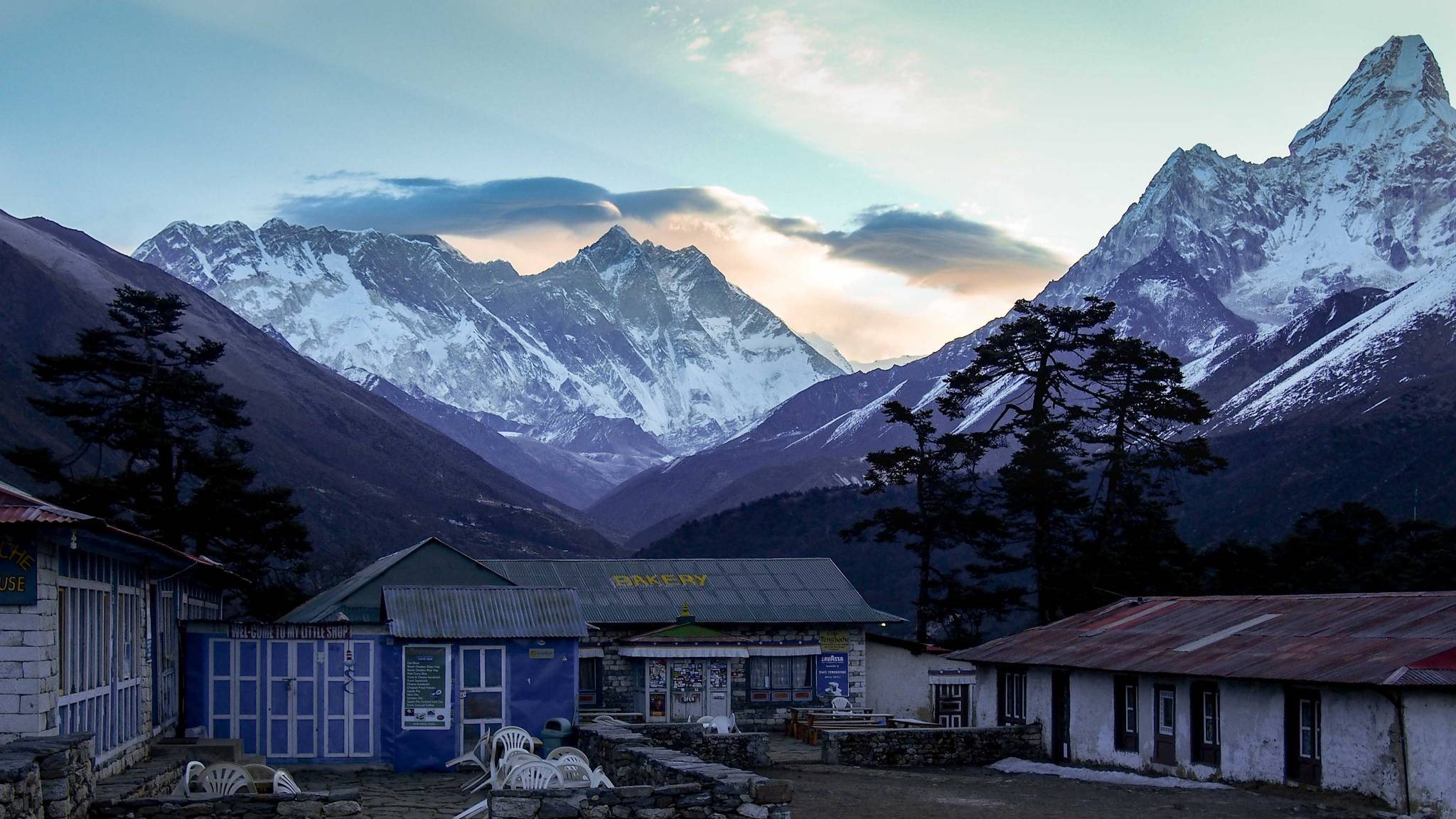
To say the trip was life-changing would be an understatement. The noise, heavy smog, bright colours and the unfamiliar smell of spices assault your senses all at once. It’s both overwhelming and thrilling.
Trip one 2015 – Thamel, Kathmandu
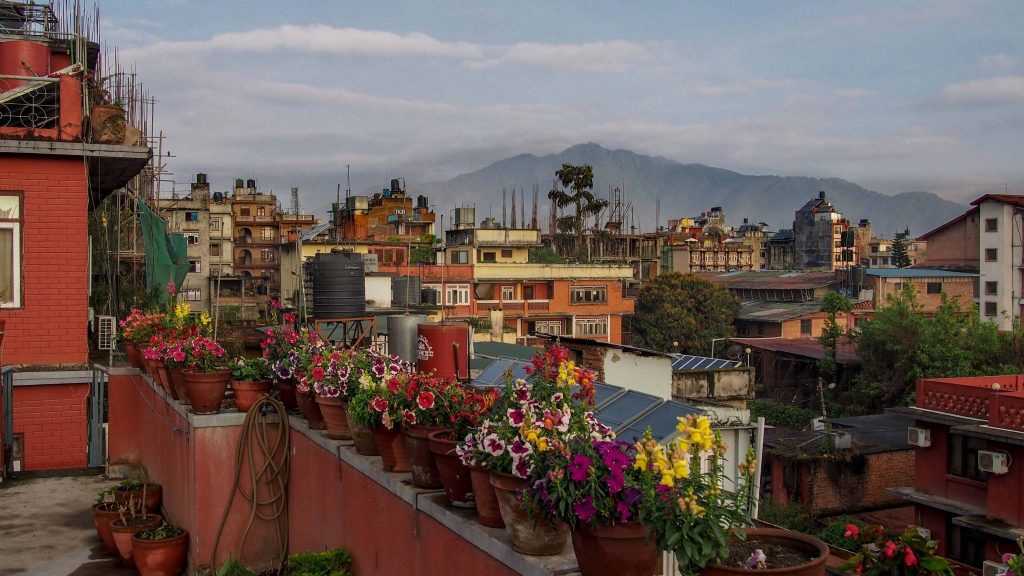
Waking up to mountain views in central Thamel. We stayed at the Blue Horizon, a mid-range hotel situated on the outskirts of the main tourist district. Rooms range from $20-$50AUD per night and include a simple continental breakfast. Set over four levels, they have three rooftop spaces perfect for lounging, strong wifi, reliable power and hot water for six hours during the afternoon and early evening.
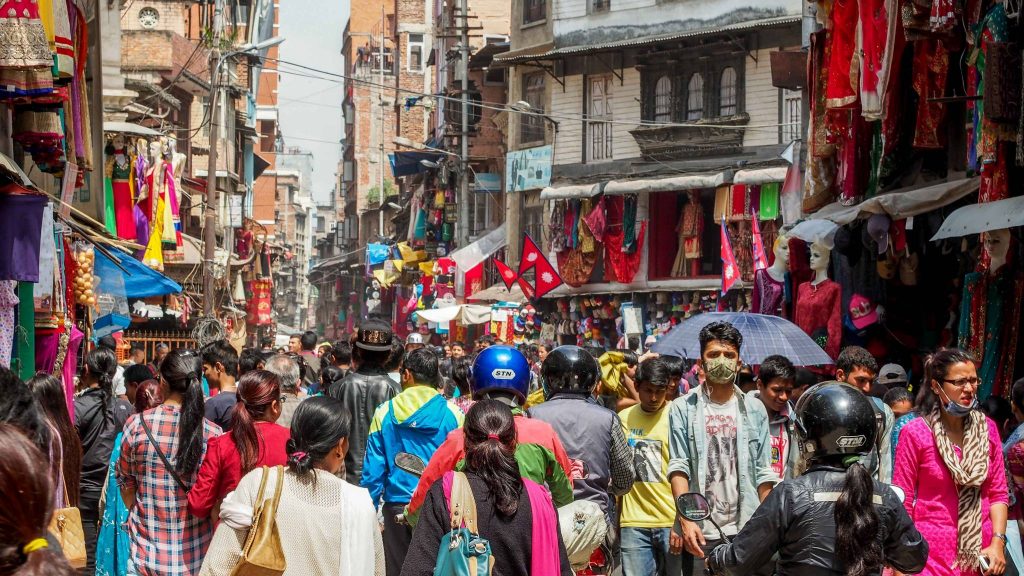
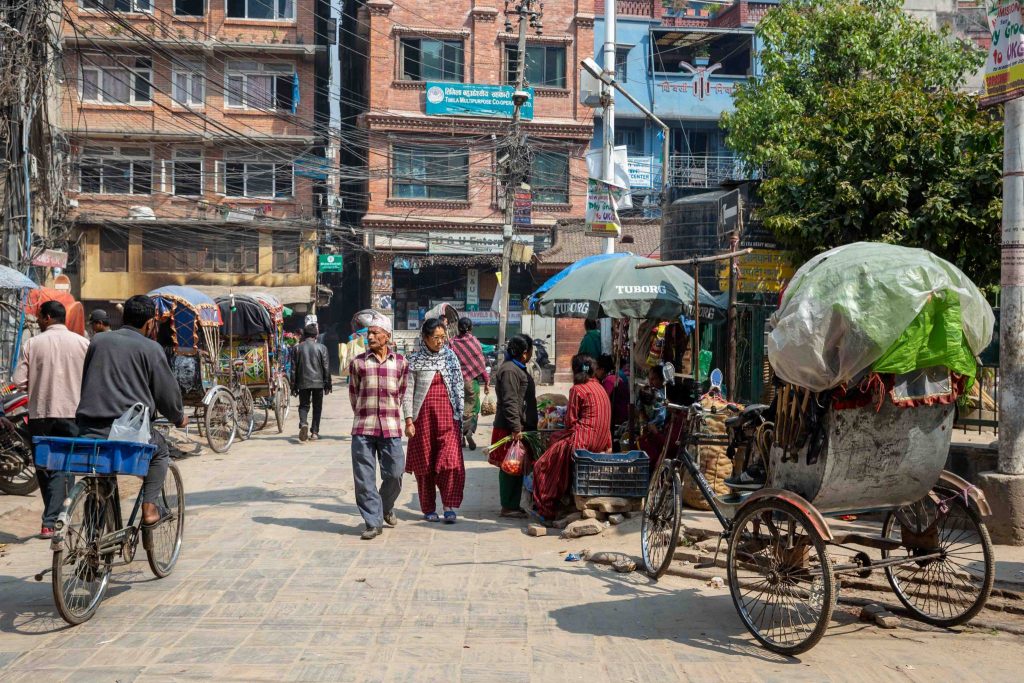
Central Thamel is chaotic. Navigating the streets is terrifying the first time you do it, as there are very few dedicated footpaths. The sounds, smells and sights are an assault on your senses with honking cars, motorbikes, rickshaws and people coming at you from all directions. Take a moment to stop, breathe and let it all in. Once you become accustomed to the flurry of activity happening around you, it becomes quite thrilling to walk around.
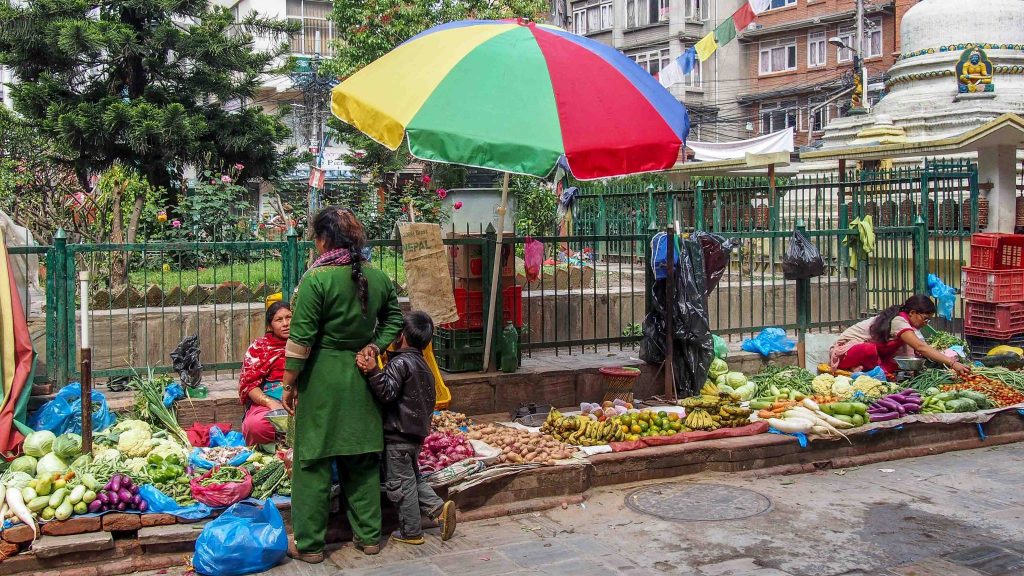
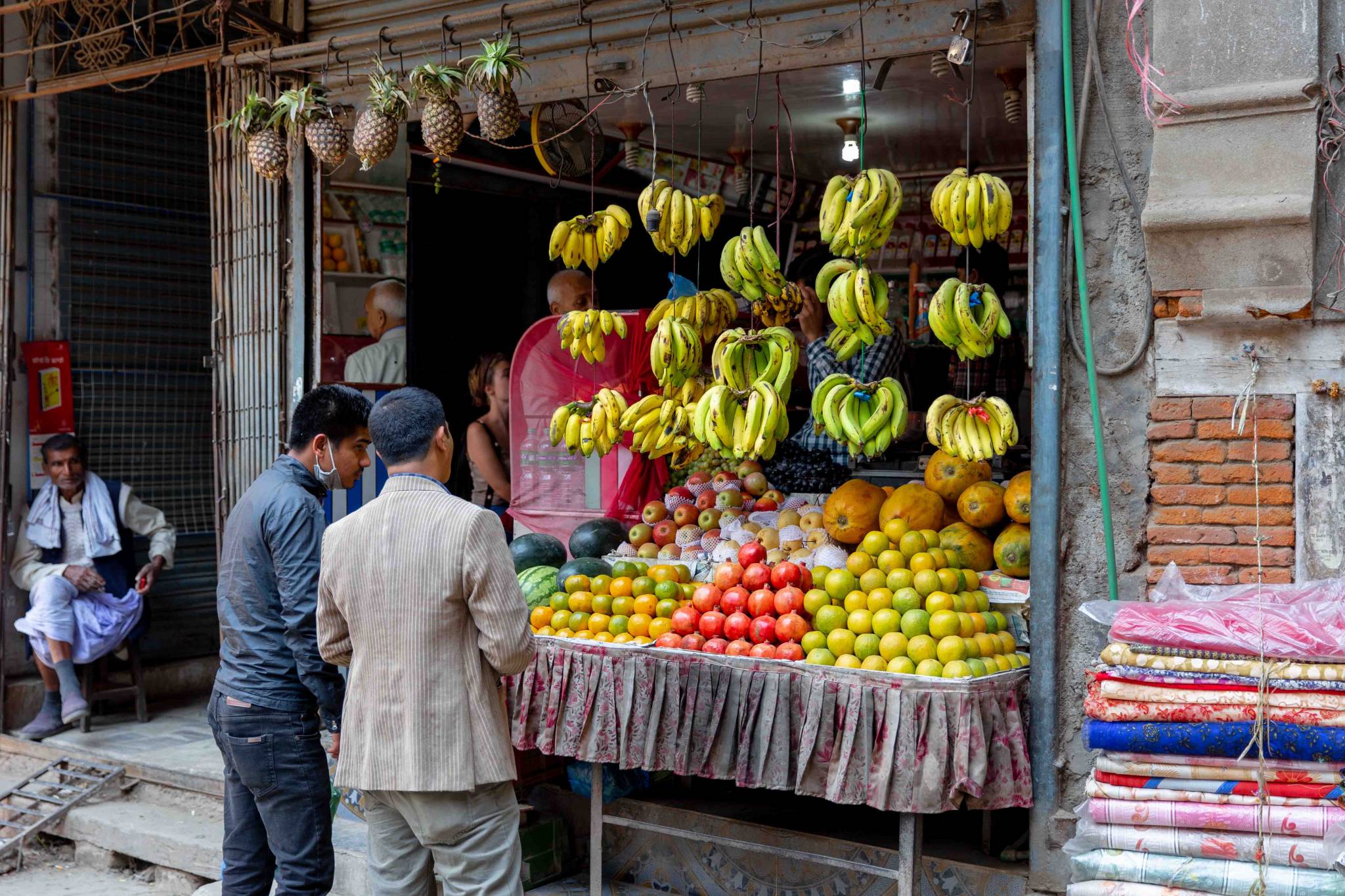
Farmers’ market in Old Town. Thamel is the main tourist area, with hotels, restaurants and shops catering to foreigners. Old Town is a business district for the locals and a hub for food and homewares. I much prefer it to central Thamel, you can learn a lot about Nepalese culture by spending a day walking around and talking to the locals.
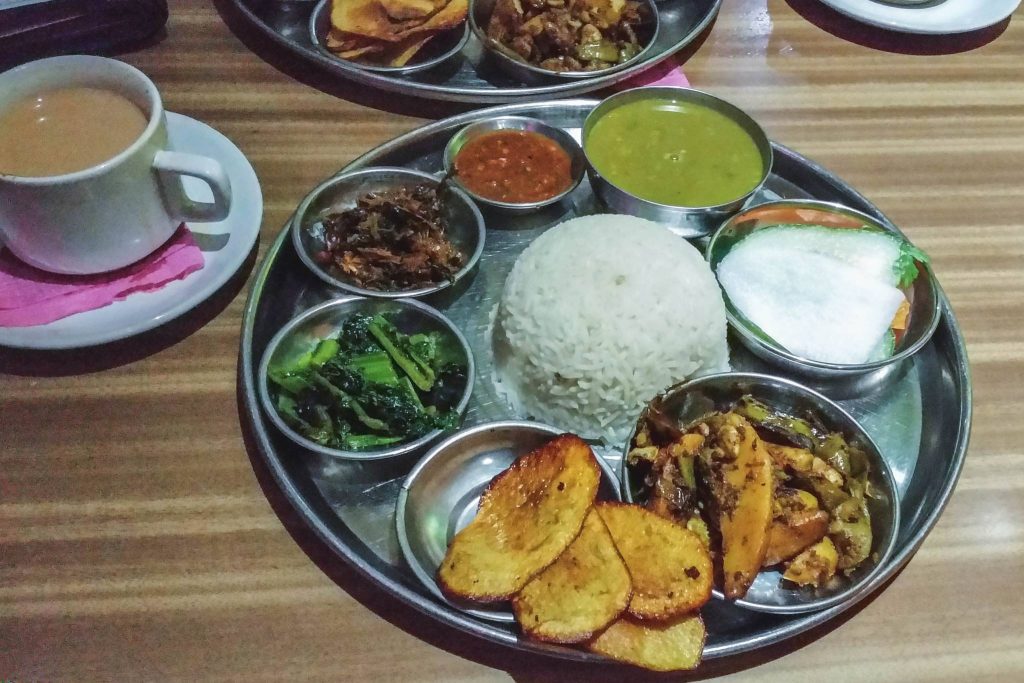
Dal Baht, the main local dish. The ingredients and flavours vary slightly in each region, but the base of the dish is rice, lentil soup, vegetable curry and pickled vegetables.
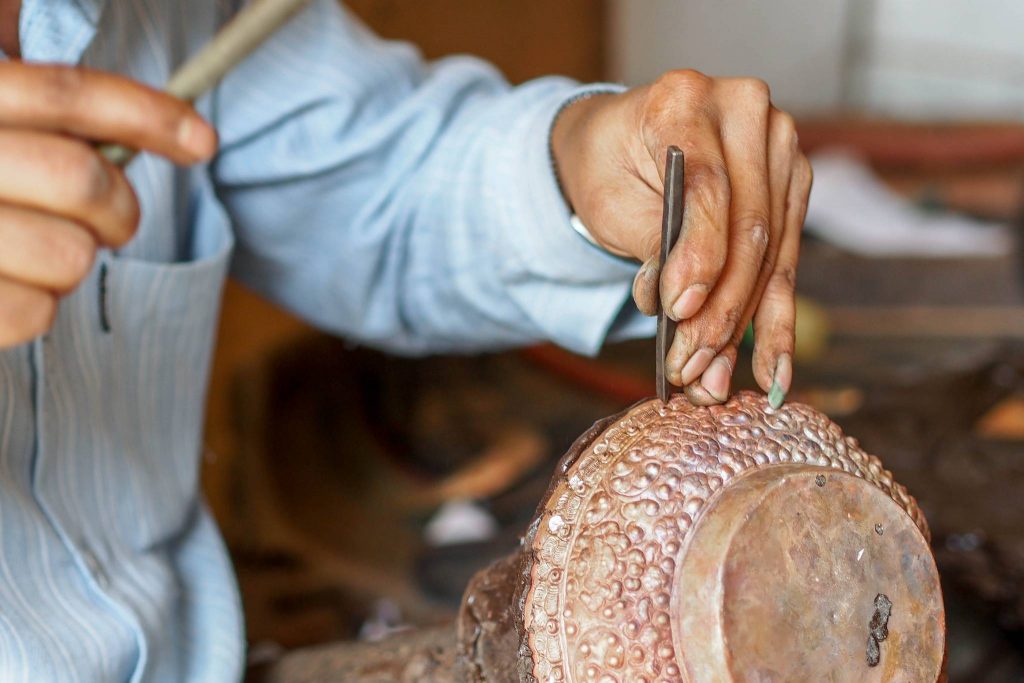
We took a trip out to Bhaktapur, a 45-minute drive from Kathmandu. It’s known as the artisan region where you’ll find some beautifully crafted pottery, metal works and paintings. The earthquakes in 2015 devastated the region, and they are still rebuilding, but it’s very much worth a visit. It’s one of the best places to find something special to take home with you.
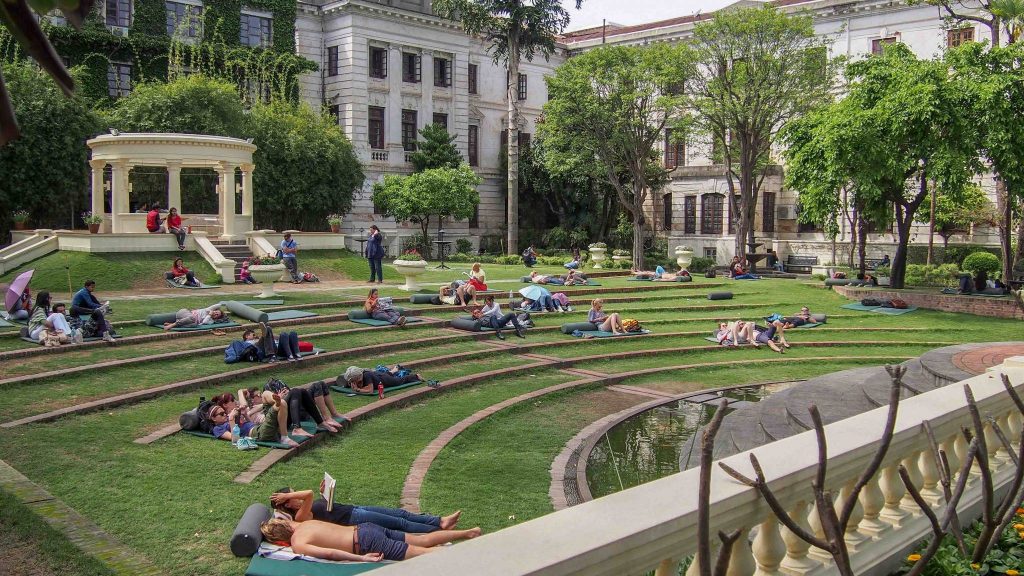
The Garden of Dreams. Despite being right in the middle of Thamel with major roads flanking either side, the garden is a peaceful respite from the outside chaos, and you cannot hear even a whisper of a car horn once inside. Entry is 200 rupees ($3), and the Kaiser Café inside offers large pots of delicious masala chai tea for 150 rupees.
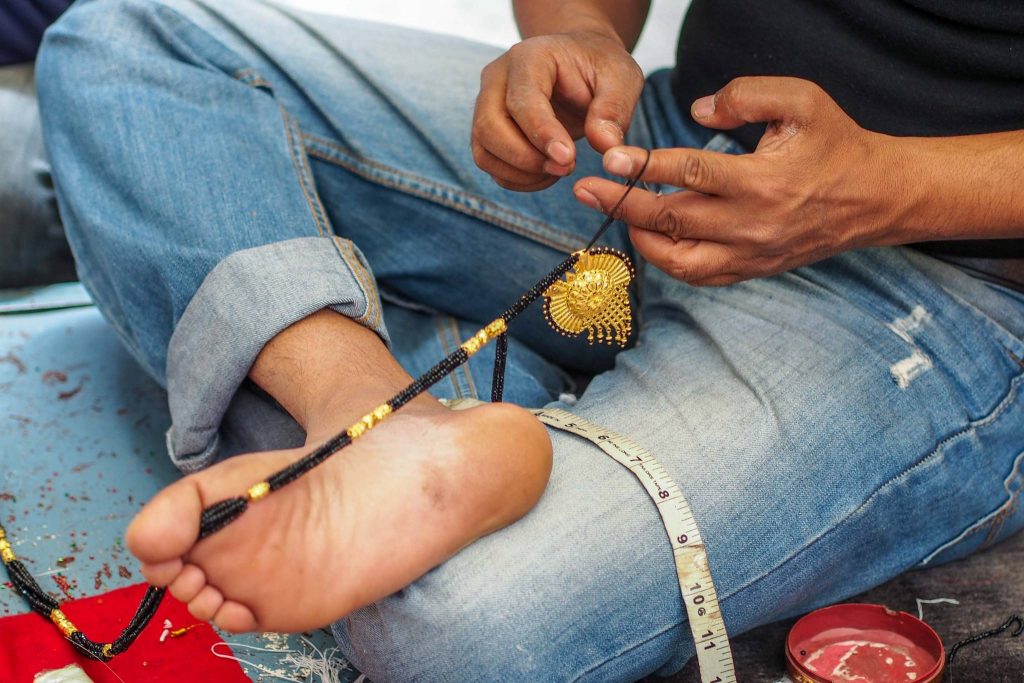
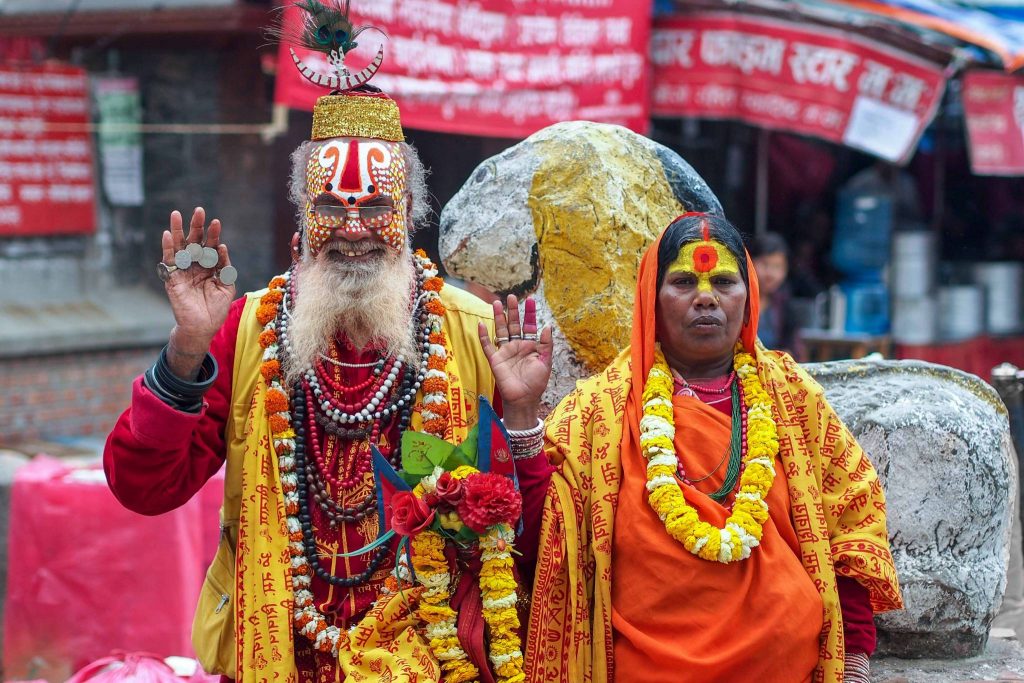
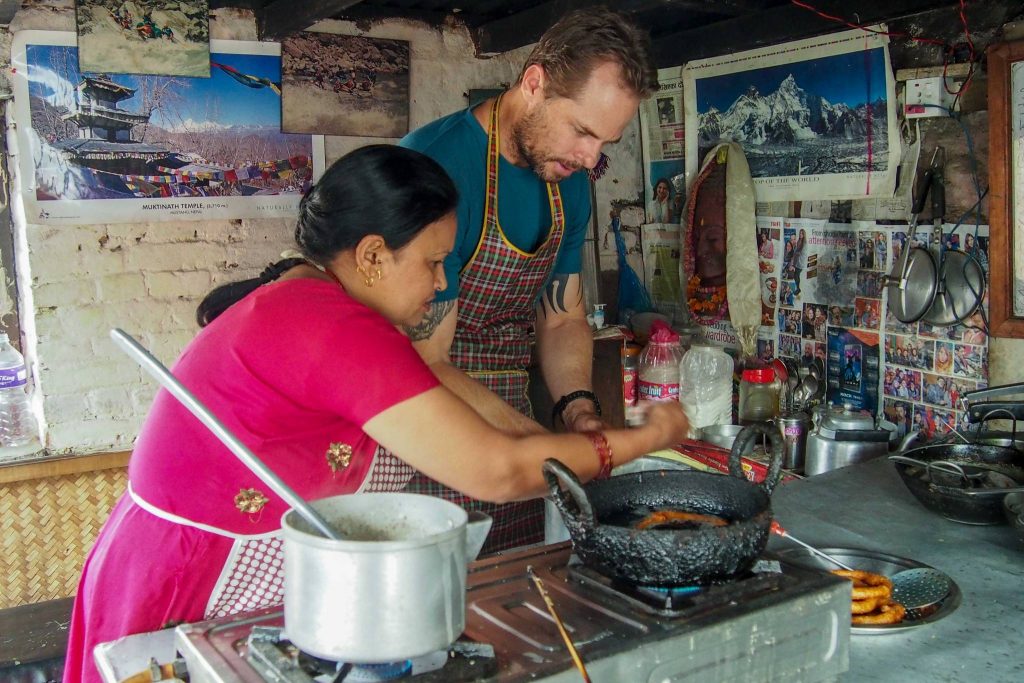
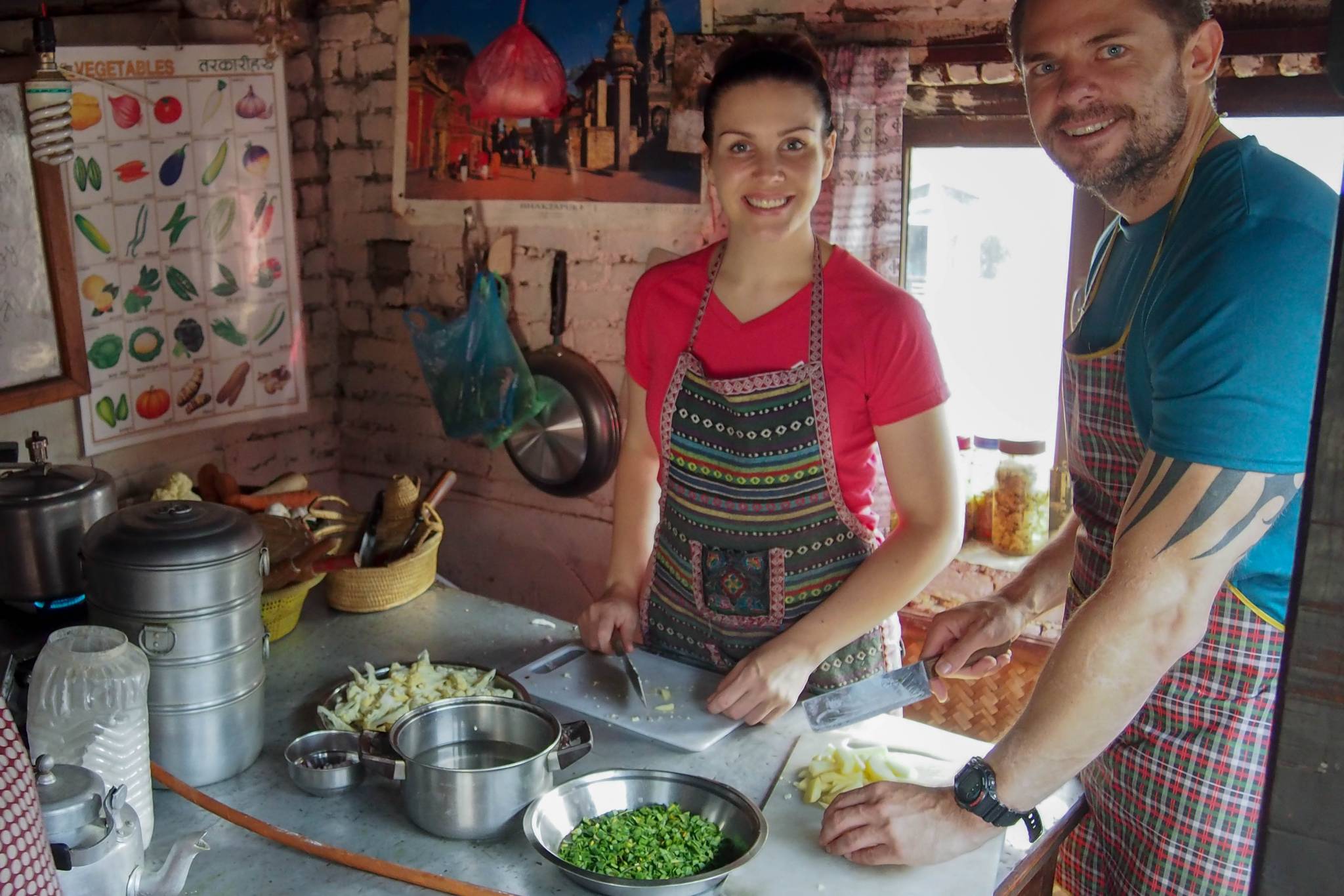
We found this cooking class online and despite having zero culinary skills between us, Dave and I decided it would be a fun way to spend the day.
We met Amrit mid morning at the marketplace in Old Town where he picked up some fresh ingredients and spices for our meal. We took a short walk back to his home where we were greeted by his wife Eanu who handed us two aprons and ushered us into her kitchen.
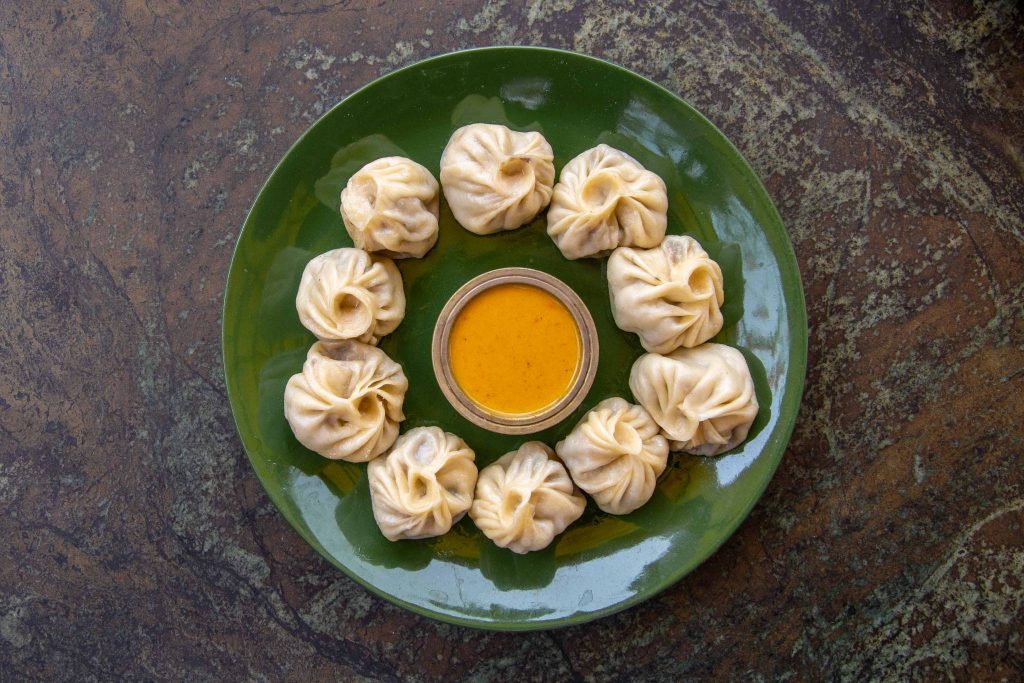
We learnt to make the individual elements of Dal Baht, the national dish featuring vegetable curry, savoury greens, lentil soup, pickles and rice. We also made celebration bread, which is similar to doughy pretzels and my favourite, vegetarian momos. Small parcels of delicious, vegetable filled, garlicky goodness.
Eanu was very patient and lovely despite our lack of culinary skills. After the butchering was done, we sat down with Amrit and Eanu’s two sons and devoured our feast. The food was simple, hearty, and so delicious.
Since we visited in 2015, the cooking class has grown and is now held in their new home on small farm just outside Thamel.

Everest Base Camp Trek
After our stay in Kathmandu, we set off on a 12-day trek to Everest Base Camp. We booked through a local agency that supplied us with a guide and porter between the two of us. We paid a fixed amount which covered the flights, food, accommodation and guide and porter’s fees. This came to approximately $1200 USD per person. Breakfast, lunch and dinner are included with a cup of tea or coffee with each meal.
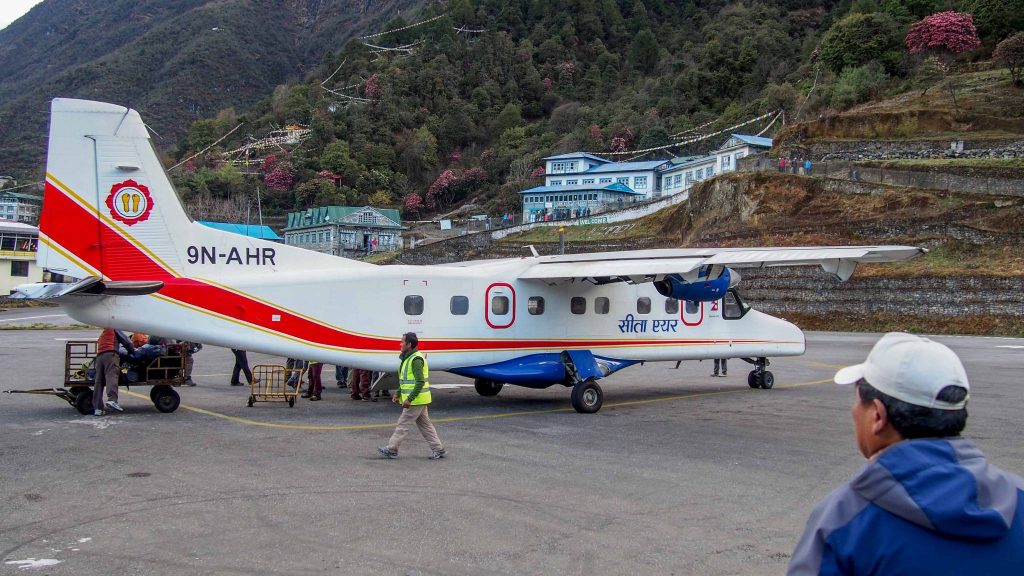
We flew from Kathmandu in the oldest and tiniest plane you have ever seen, into Lukla (2860 meters), the world’s most dangerous airport nestled into the side of a mountain. Breakfast was in a teahouse overlooking the airport, where we watched tiny planes hurtle off the side of the mountain, hoping they took flight before they reached the edge of the very short runway.
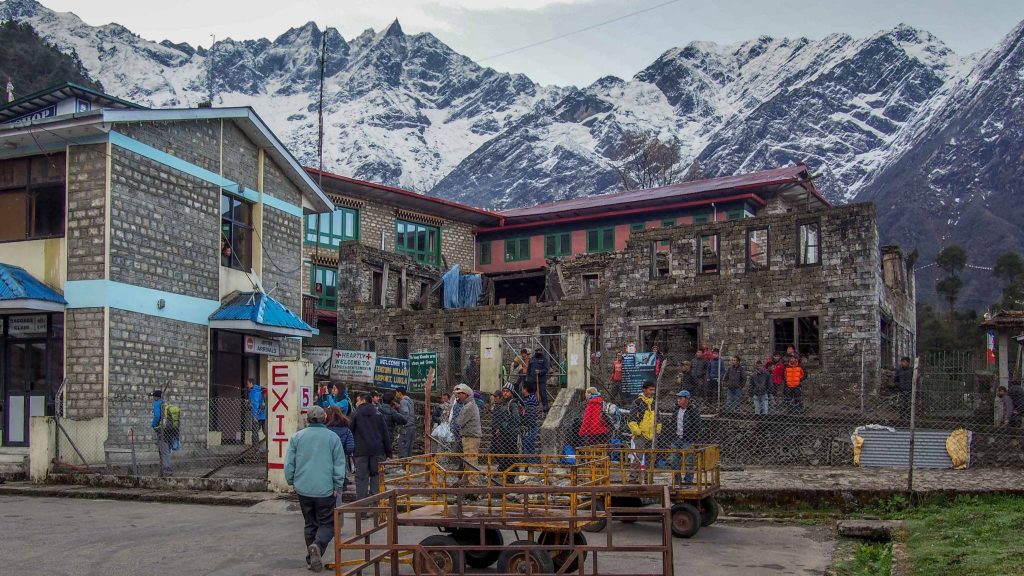
Day one, Lukla to Phakding – 2,651 meters
We each carried a day pack containing camelbacks filled with water, camera gear, a mid-weight fleece, a waterproof jacket, snacks and first aid equipment. Out porter carried our large packs with sleeping bags, a few changes of clothes and toiletries. Porters are accustomed to the altitude and carrying large loads, but please be respectful, pack only what you need and keep your weight to under 10kg. We saw porters carrying several very large hardcase-style suitcases strapped to baskets and, in one case, a guitar.

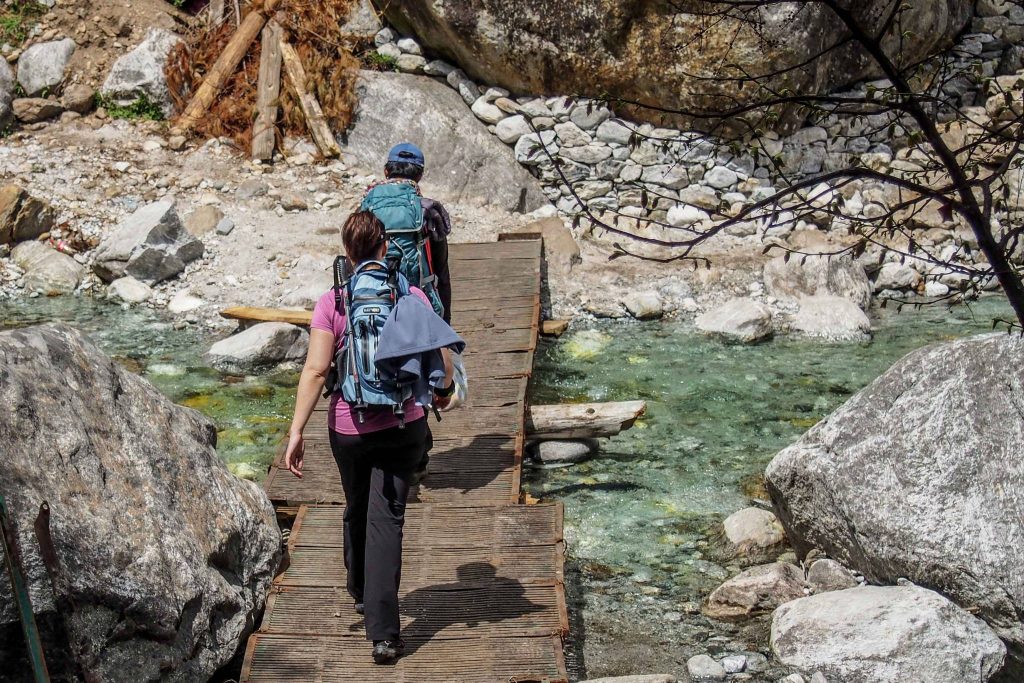
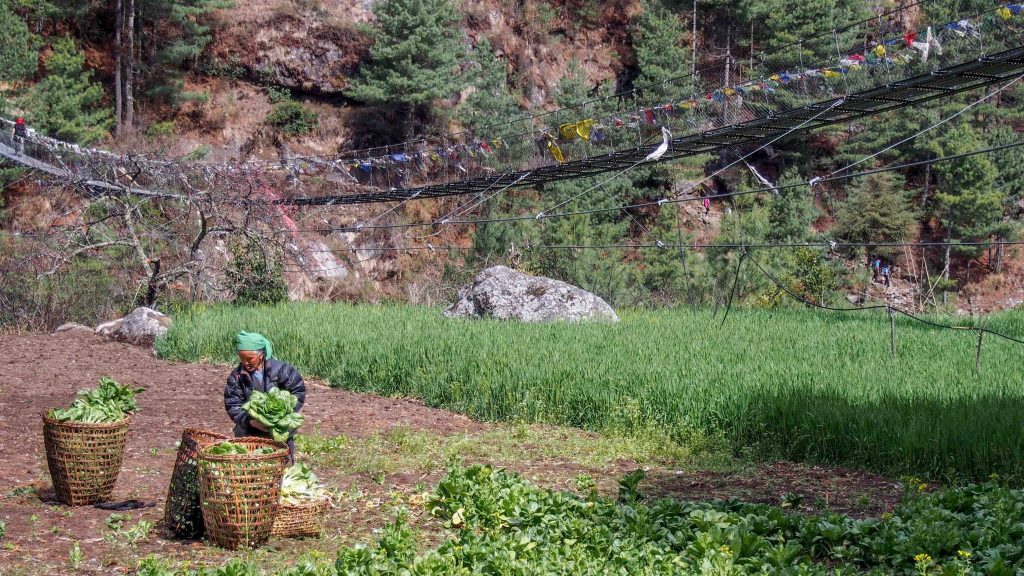
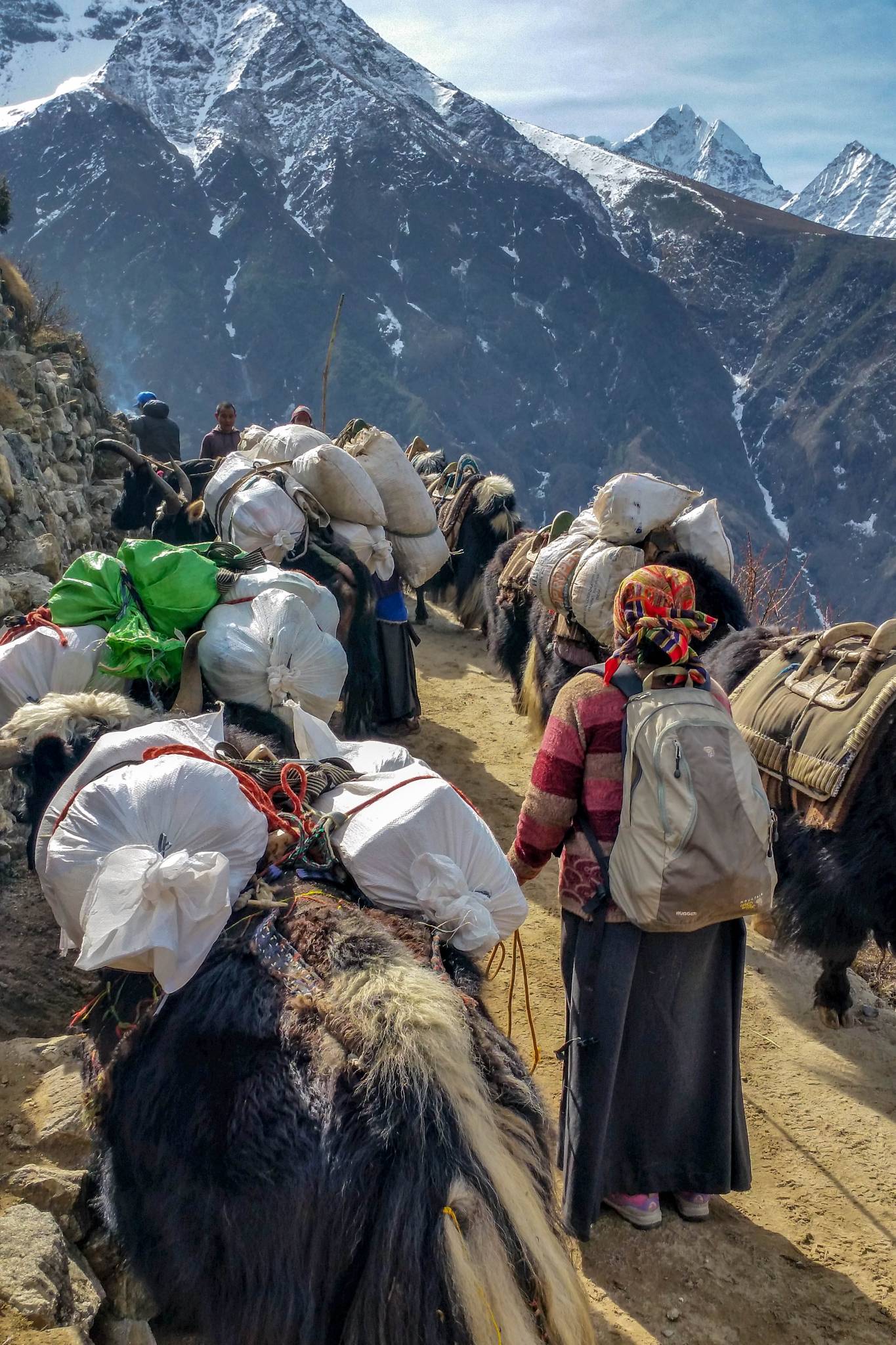
One of the many suspension bridges you will have to cross. Always give way to yaks and porters.
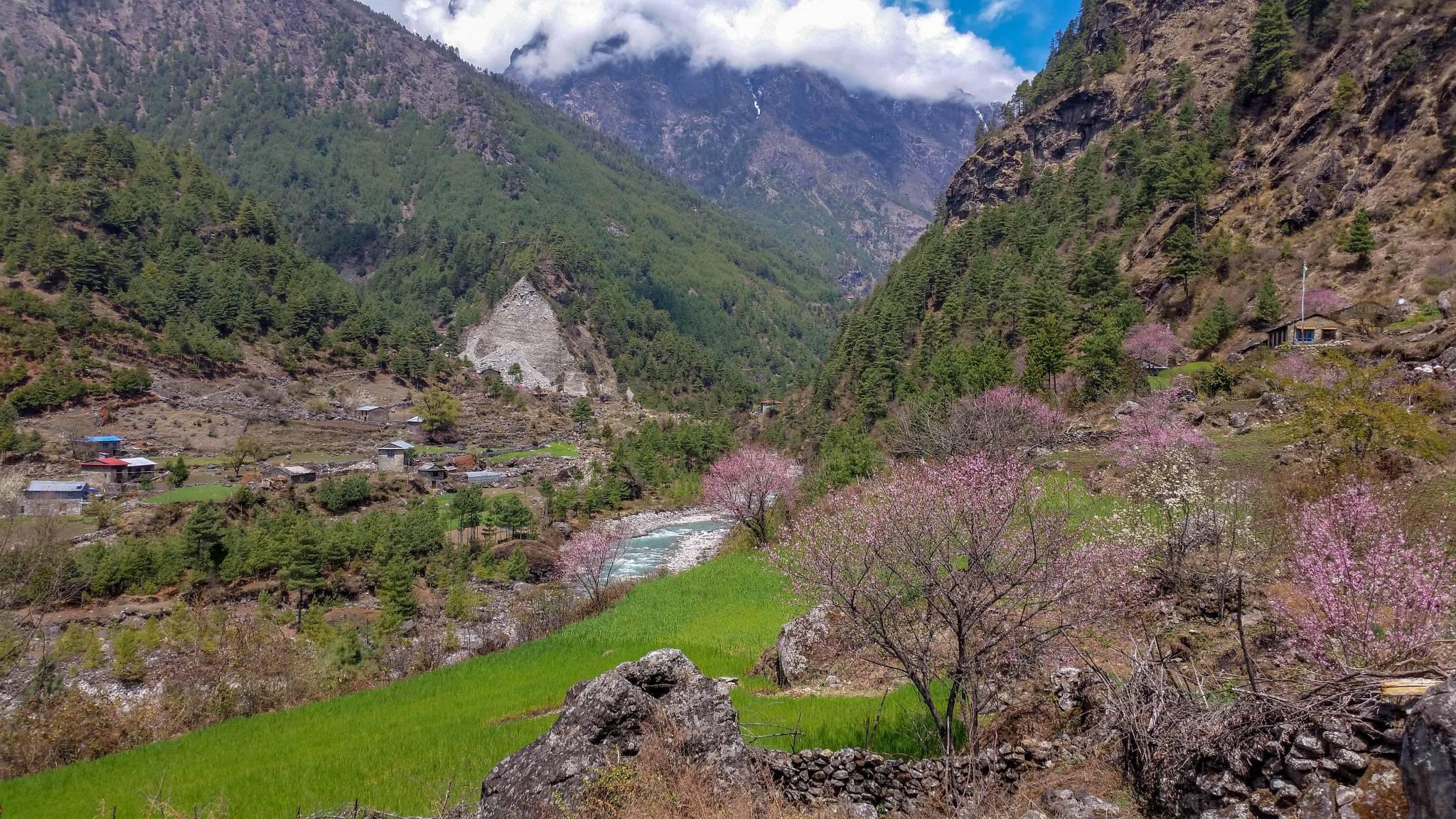
Days two and three, Phakding to Namche Bazaar – 3438 meters
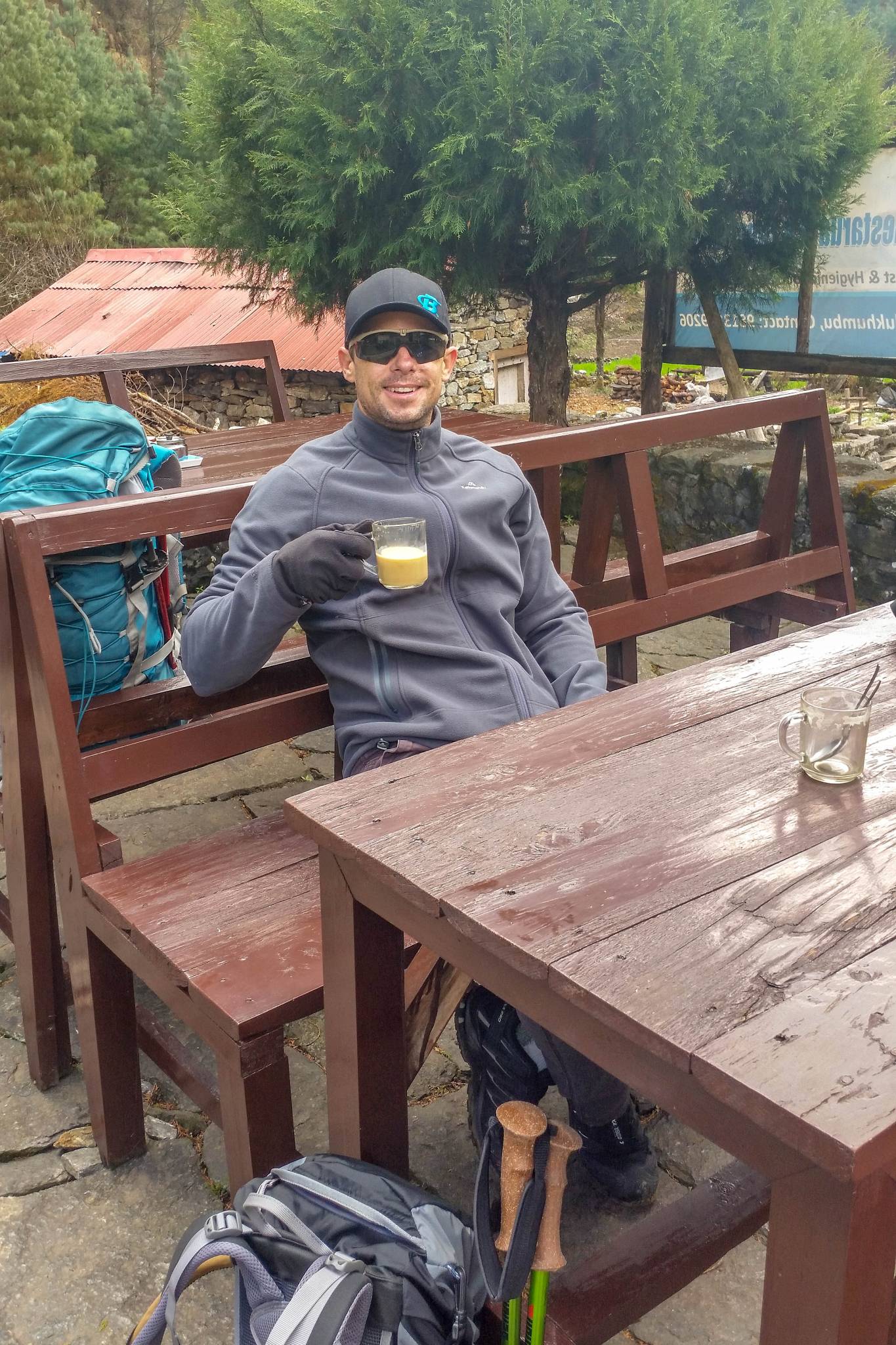
The hardest walk I have EVER done in my life. Six hours slowly trudging mostly uphill, ascending to 3500 meters. We poor Aussies, who usually live at an incredibly low altitude, did not adjust well to this environment.
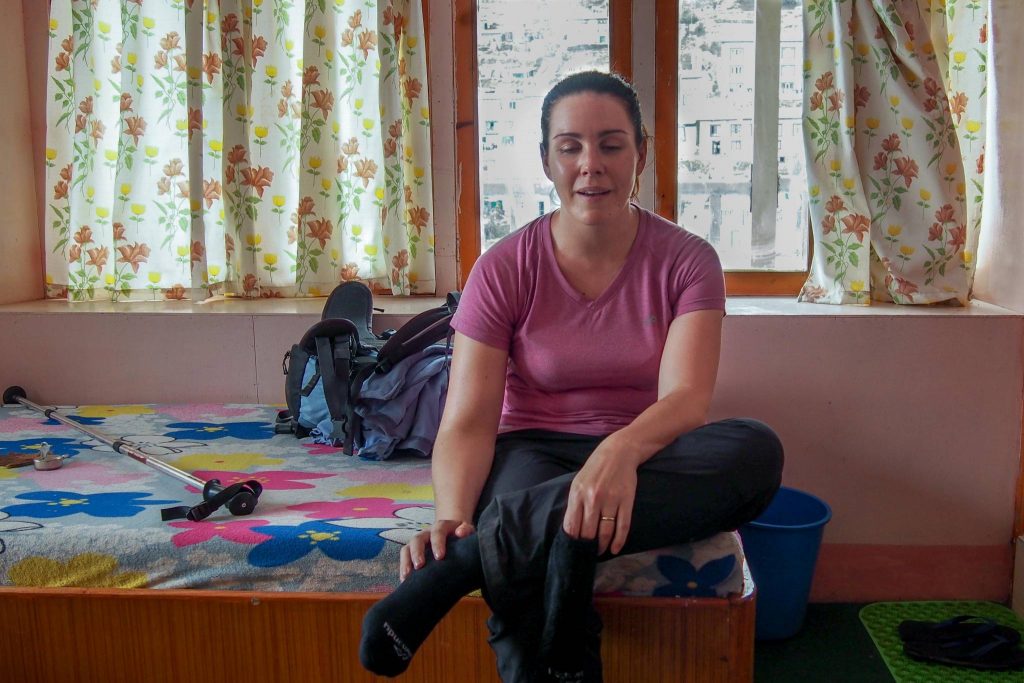
A mix of relief and exhaustion as I struggle to take off my shoes in our tea house in Namche Bazaar. I slept for twelve hours that night.
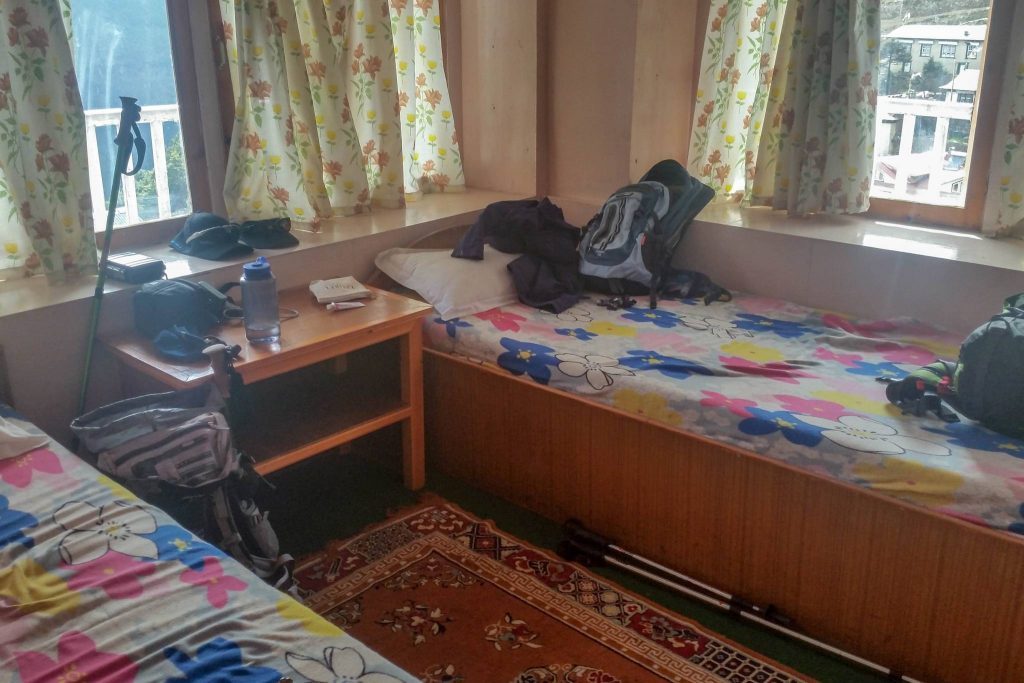
Our five-star accommodation in Namche Bazaar. This is considered the height of luxury in the mountains because we had an attached bathroom with hot water. The last shower we would have for the remainder of the trek.
Above, Namche Bazaar is the largest town in the Khumbu region. It acts as an acclimatisation stop for all treks in the area, so we spent a day here visiting the Sherpa Culture Museum and exploring the town. Up at the museum, we caught our first glimpse of Everest.
Due to the Swiss colonial influence, you’ll find a Swedish-style bakery on just about every corner in Nepal, with homestyle apple pies and rich chocolate brownies being a welcome treat for hungry trekkers.
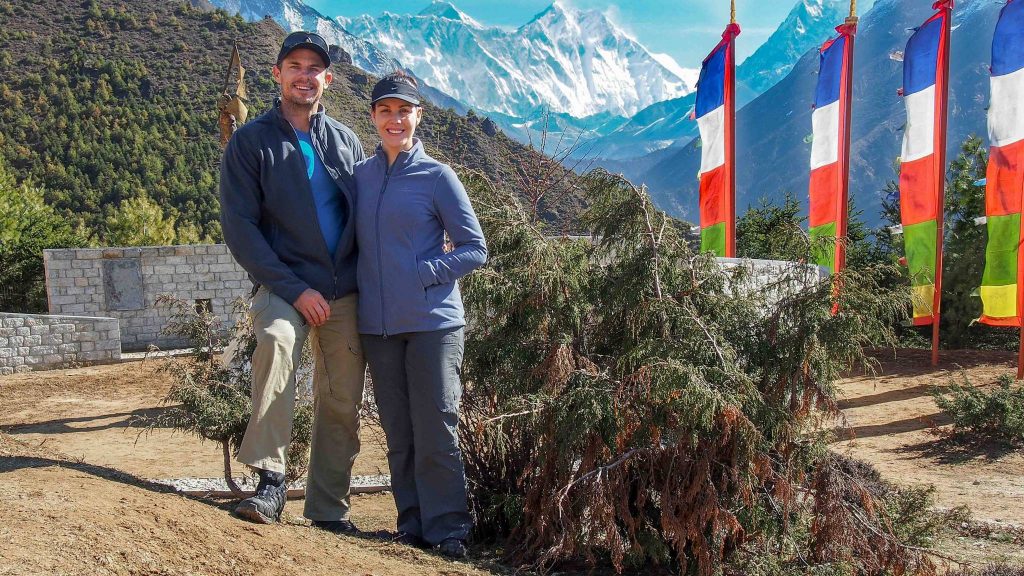
Day four, Namche Bazaar to Tenboche – 3870 meters
We ascended 400 meters, and altitude sickness started to kick in at this point, with headaches and nausea plaguing both of us for most of the day. In hindsight, we should have taken an additional acclimatisation day.
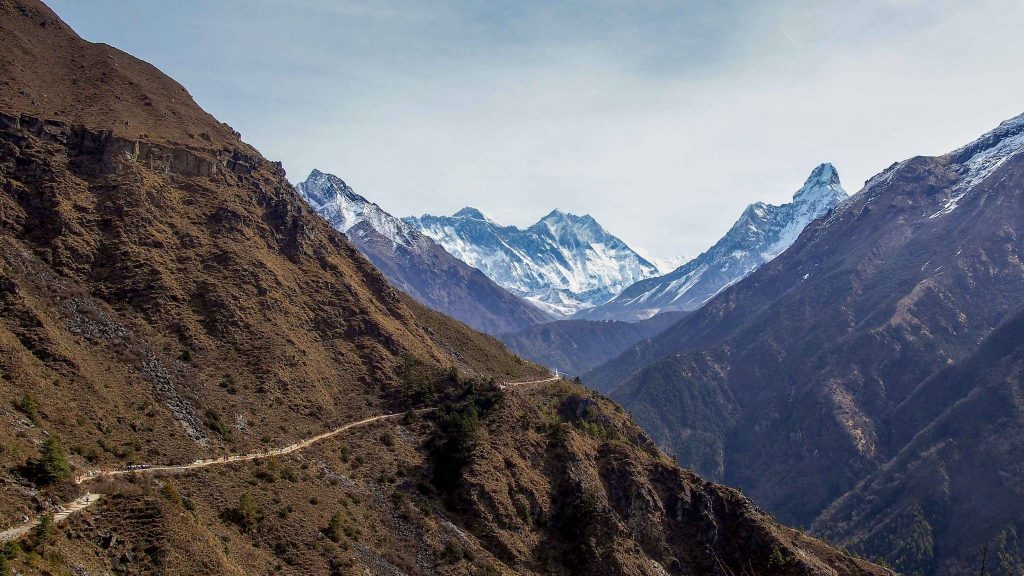
The first part of the trail to Tengboche. Around every corner, we were greeted with yet another spectacular mountain view.
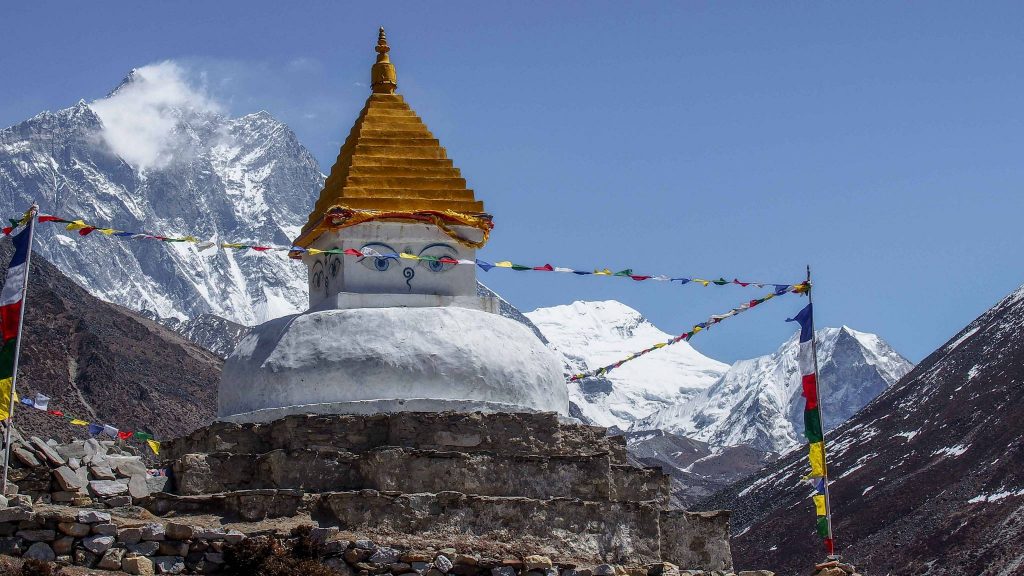
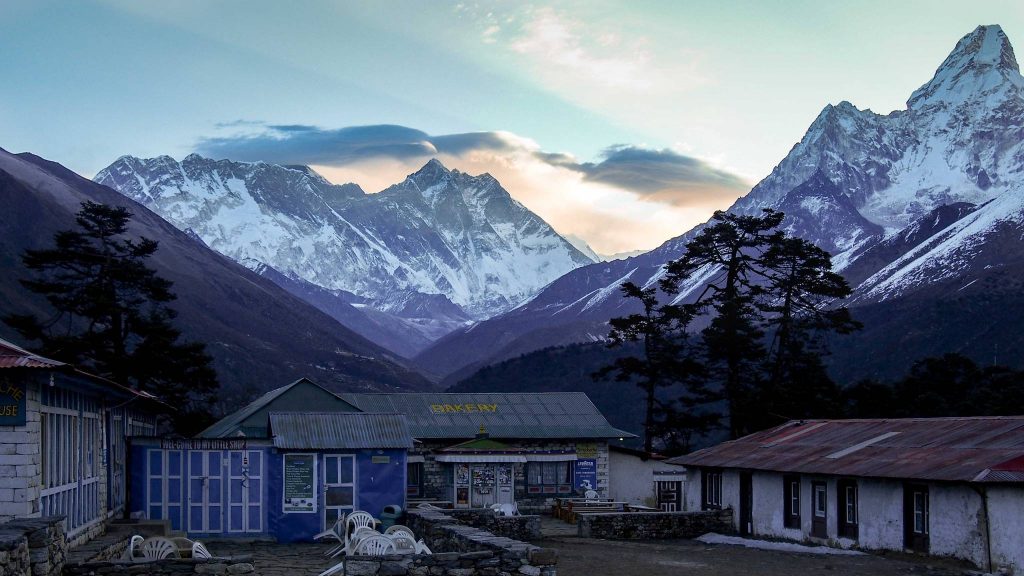
Our teahouse in Tengboche and the stunning mountain views, which you can see from three sides.
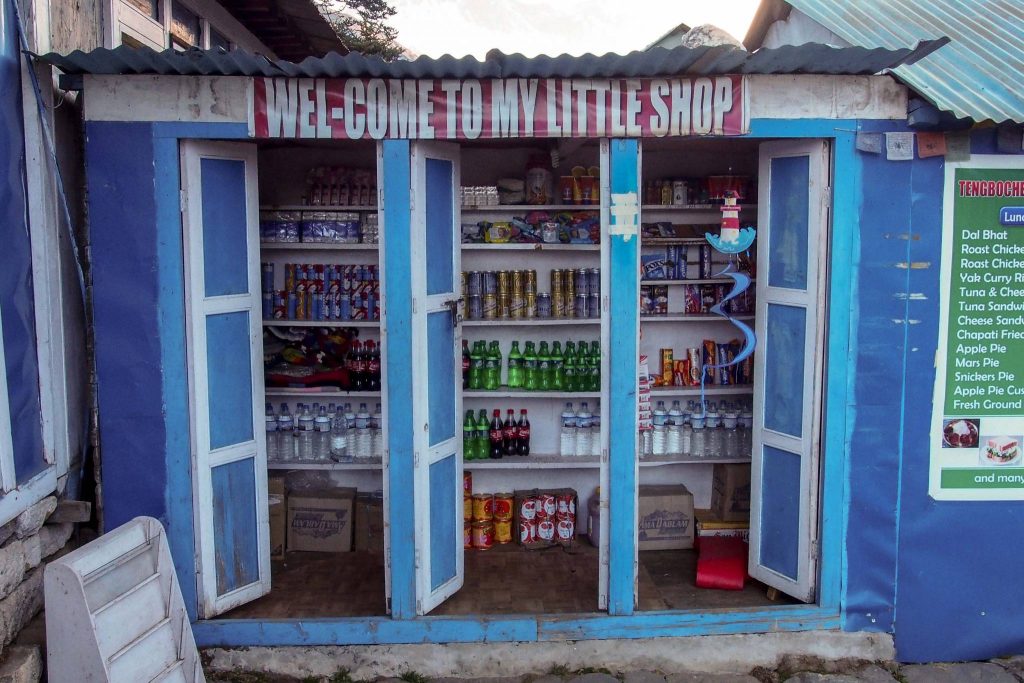
Snacks and drinks are available along the trail at every teahouse. Plastic pollution is a serious problem in Nepal, so to limit your impact on the local environment, bring your own water bottles and use a Steripen to sterilise the water. Instead of soft drinks, have a cup of tea. Chocolate is so good at altitude, especially when you’re losing your appetite, so if you bring your own or purchase some at the tea house, take your wrappers home with you.
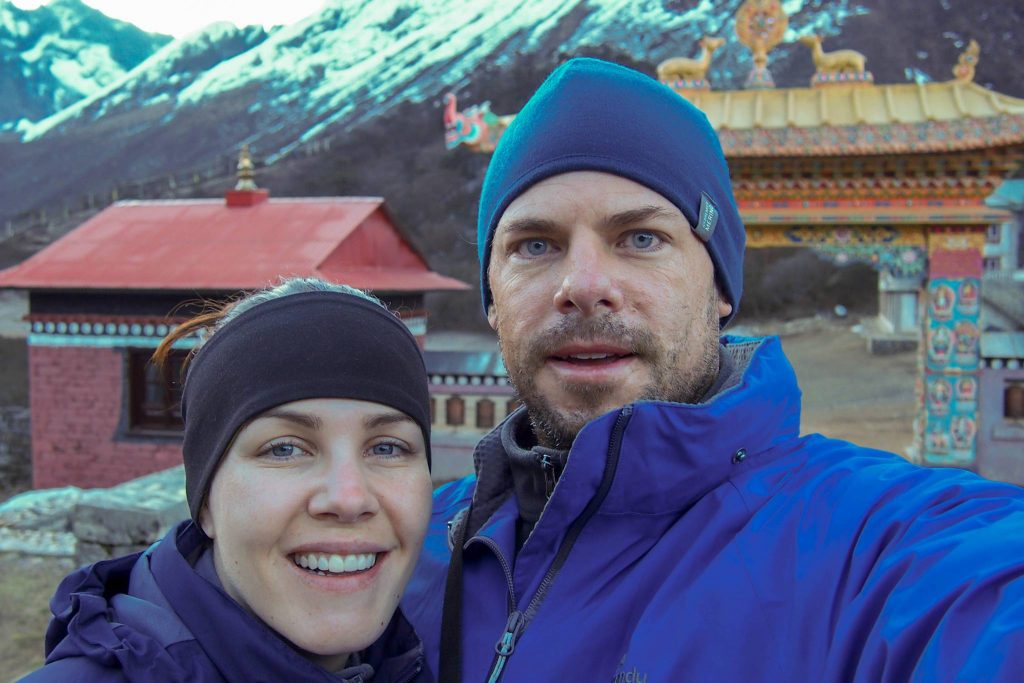
We braved the minus-seven-degree morning to wake up early and visit the Tenboche Monastery to watch the Buddhist monks read their morning prayers. Photos are not allowed inside the monastery, so we settled in and contented ourselves with listening to the soothing sounds of the monks chanting.
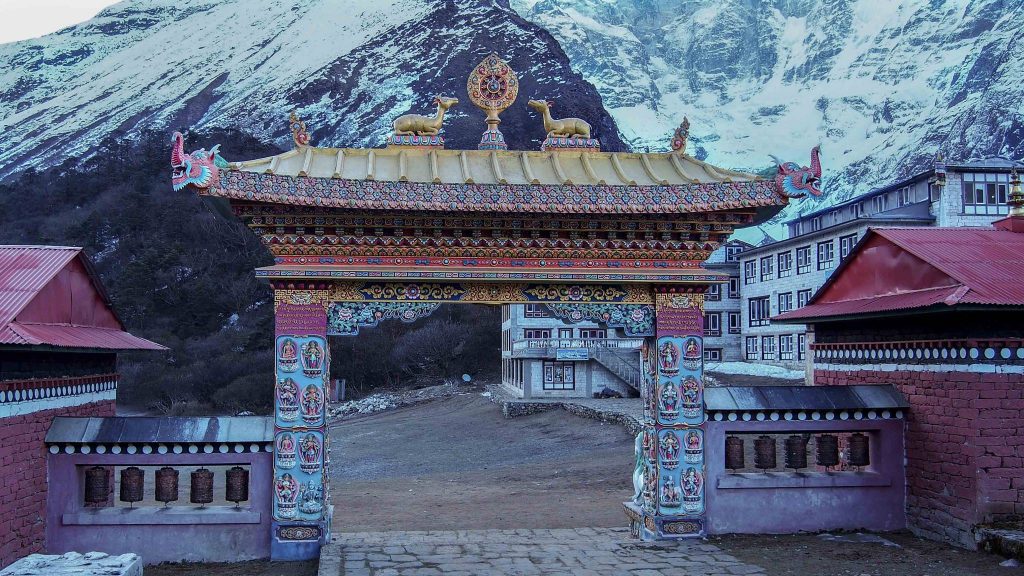
Day five, Tengboche to Dingboche – 4360 meters
We woke to snow! It was a magical white wonderland, but so cold, about minus 12 degrees.
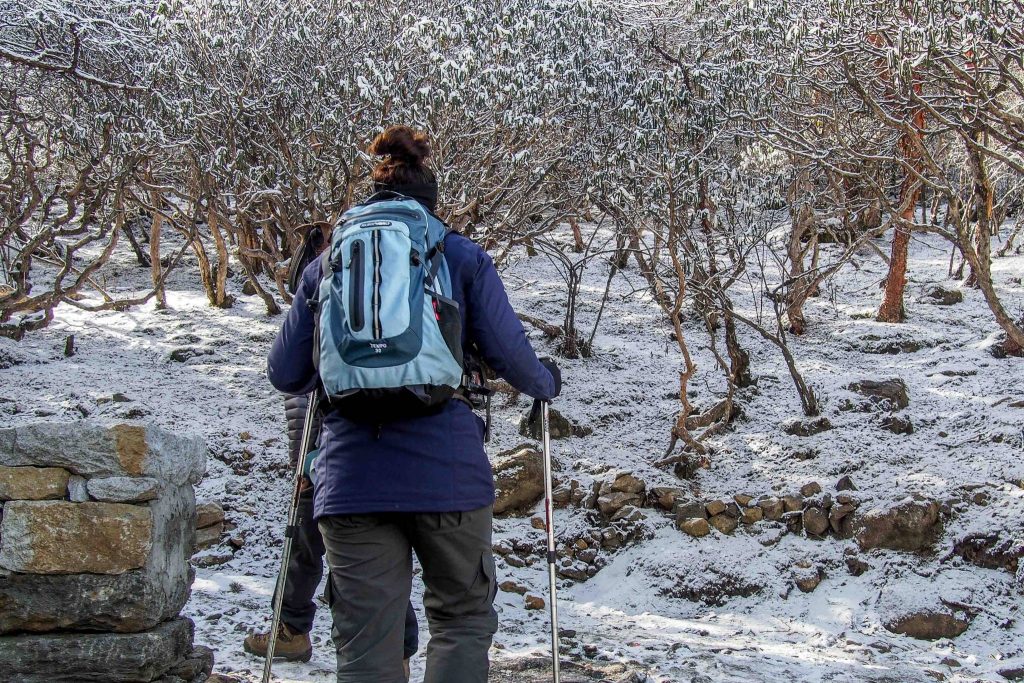
This was by far the toughest day of the trek. Altitude sickness had made itself at home. Dave was experiencing severe headaches and chewing Panadol like they were lollies, and I was so nauseous I could only keep down dry Pringles. After an overnight in Dingboche, I made the call to begin to descend and start the trek back to Namche Bazaar.
Everyone experiences altitude differently, and there’s no real way to train or prepare for it. People die from altitude sickness, and it should be taken seriously. The best thing you can do is listen to your body, descend and acclimate for a day or two, then start again if you want to keep going up.
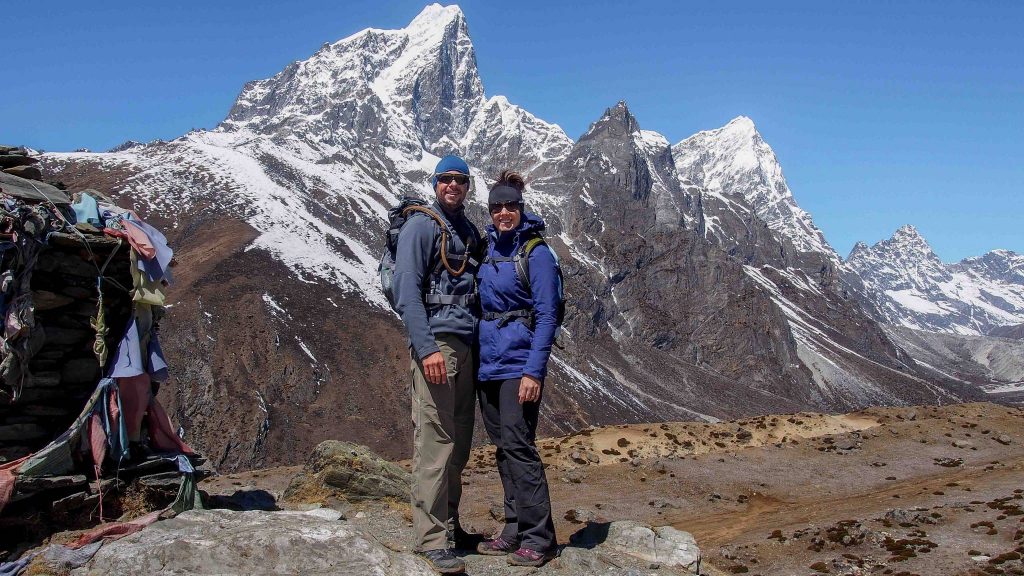
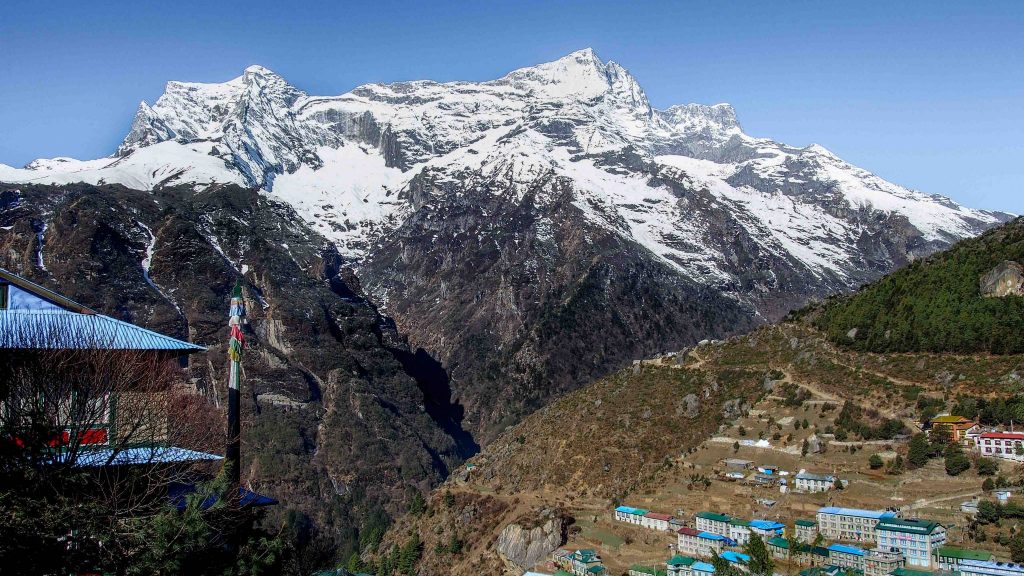
Days six and seven – Tengboche to Namche Bazaar and Lukla
Going down is much faster than going up!
We spent the night in Namche Bazaar and enjoyed our first evening of solid food and no headaches. Despite feeling better, I was tired and keen to get back to Kathmandu, so we called off the remainder of the trek. I have to remind myself that, though we didn’t make it to Everest Base Camp, we still accomplished five days of strenuous trekking under conditions we were not accustomed to. I’m pretty proud of how far we made it.
The last day was an eight-hour walk from Namche Bazaar back to Lukla, where we spent the night and hopped on a flight back to Kathmandu the following morning. The experience of sitting inside a tiny plane while it hurtles itself off a very, very short runway into swirling mist and darkness was one I will never forget.
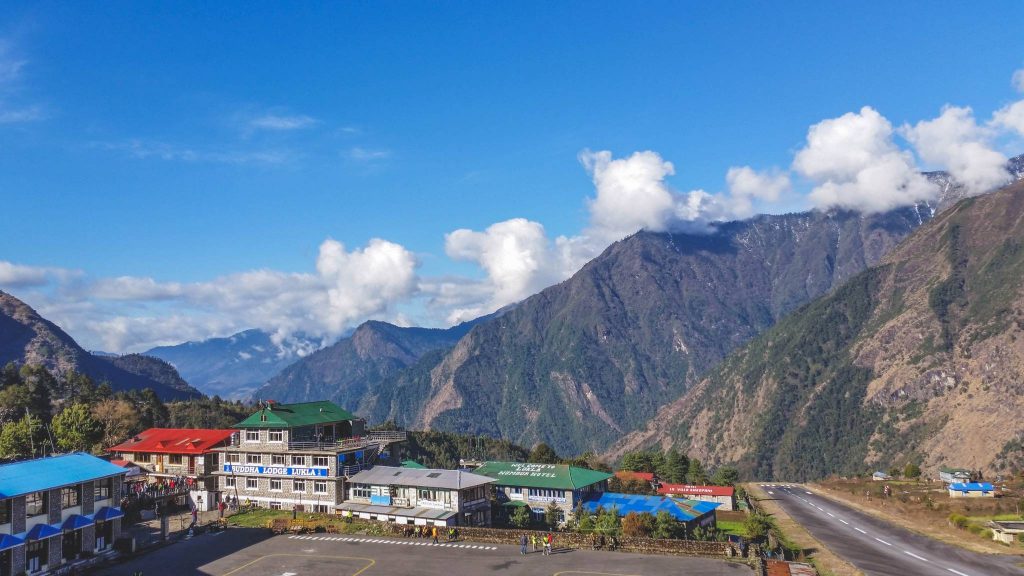
Nepal 2015 earthquake
Two days after we returned home to Australia, the first earthquake hit Nepal, devastating most of the country. Dave and I were heartbroken.
When a country like Nepal suffers a natural disaster, the best thing we can do is donate money to relief efforts and help keep tourism going. We decided on the spot that a return trip was happening the following year.
Trip 2 Nepal 2016
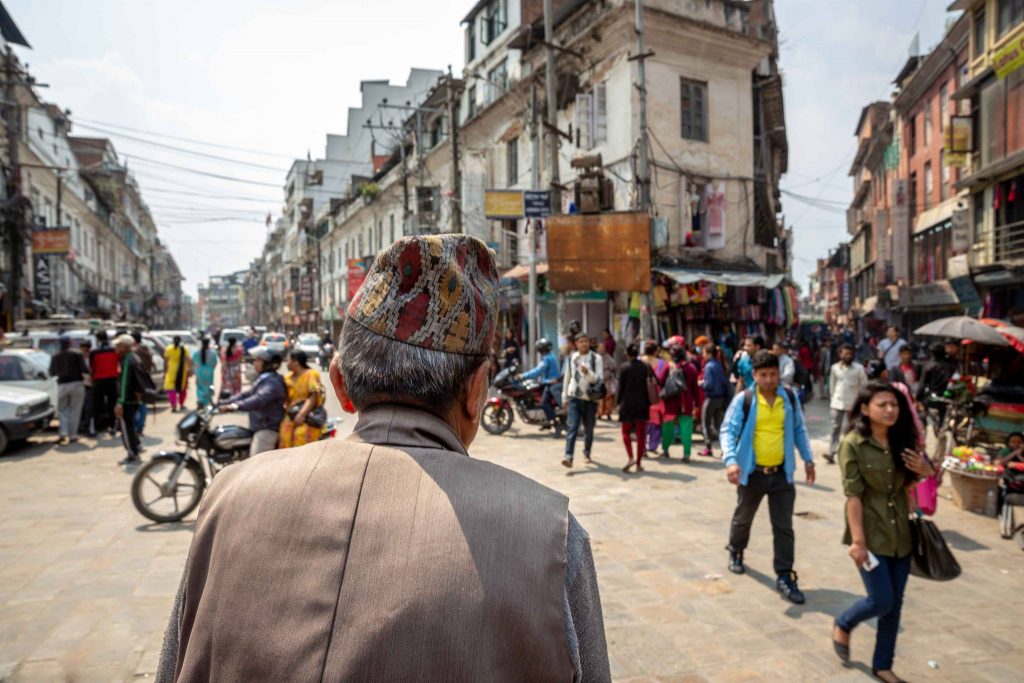
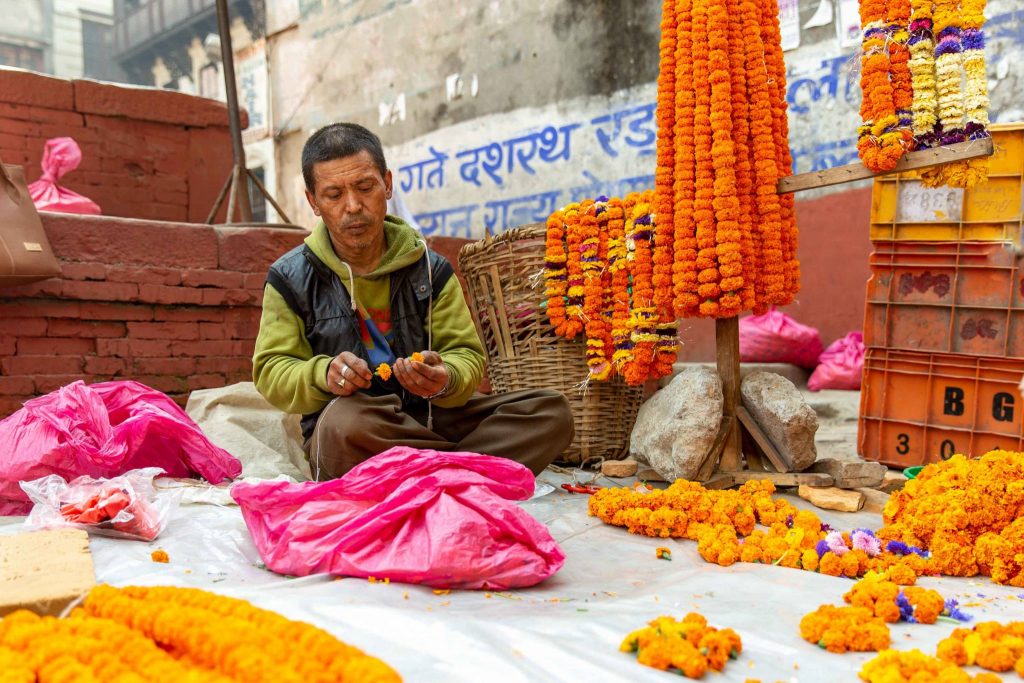
We returned this spring, this time to visit Pokhara and take on an easier trek in the Annapurna Range. But first, a few days in Thamel to reacquaint ourselves with the vibrant, bustling culture we fell in love with the first time around.
Kathmandu to Pokhara
There are three ways to get from Kathmandu to Pokhara. Bus, car or fly.
At eight hours, the bus is the slowest option as it stops to pick people up and let them off and stops for breaks. However, at a very low $20, it is the cheapest option, but not very comfortable.
At six hours, renting a driver and car is the most comfortable, but still affordable option, costing around $100. Unfortunately, we didn’t think to ask what kind of car we would be driven in and spent a very cramped six hours in a tiny Toyota Corolla squished in wth our backpacks. Which was not so much an issue, but the car broke down halfway there, then again, an hour out from our final destination. The 6 hours stretched into a very long 13-hour trip.
For the return trip back to Kathmandu, we went with option three. Fly. Not as eco-friendly and more expensive, costing around $150 per person. But it only takes an hour, and if you’re short on time or suffering from any trekking ailments, this is an amazing option.
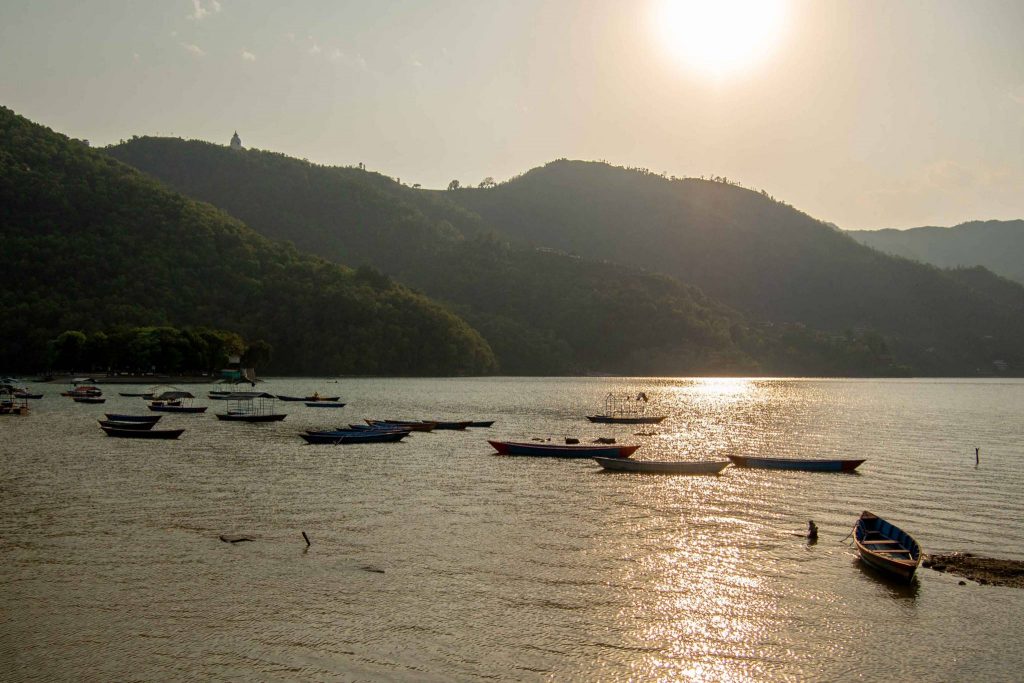
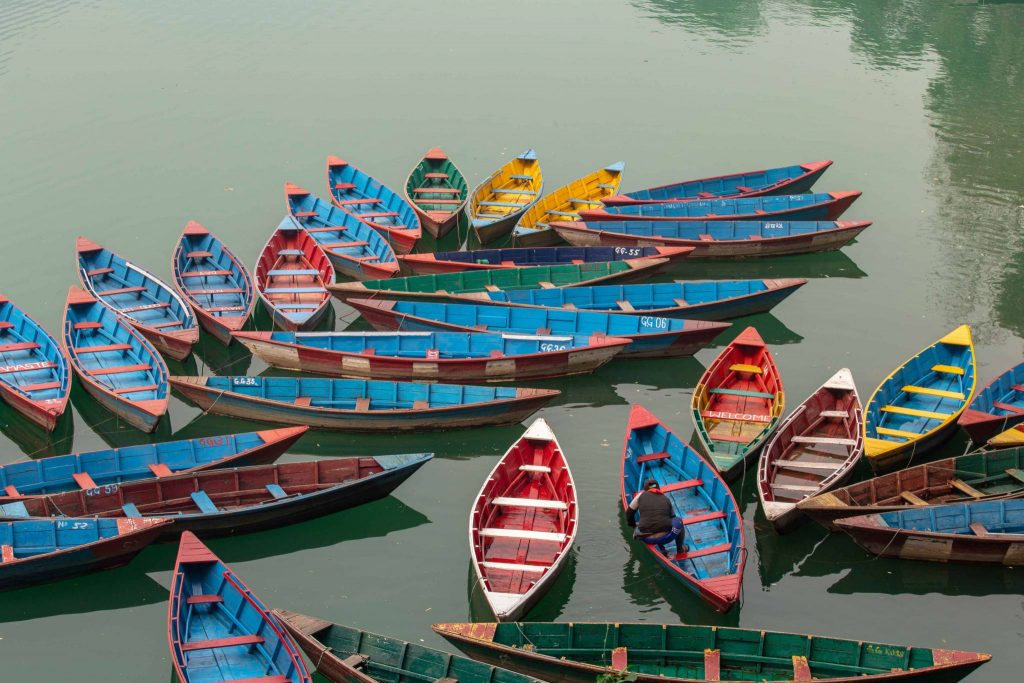
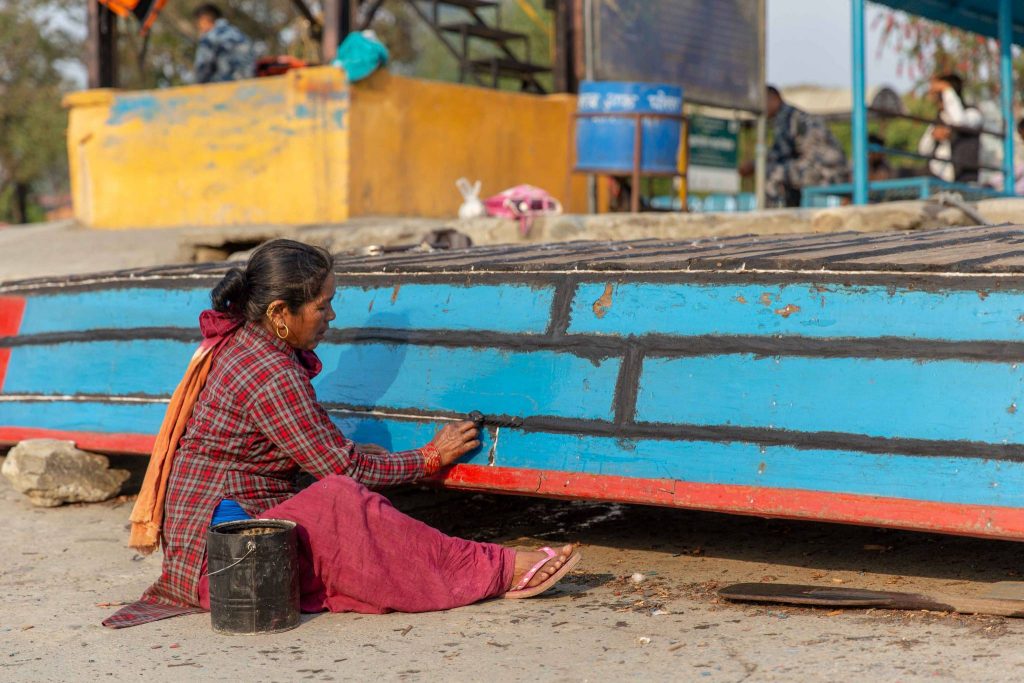
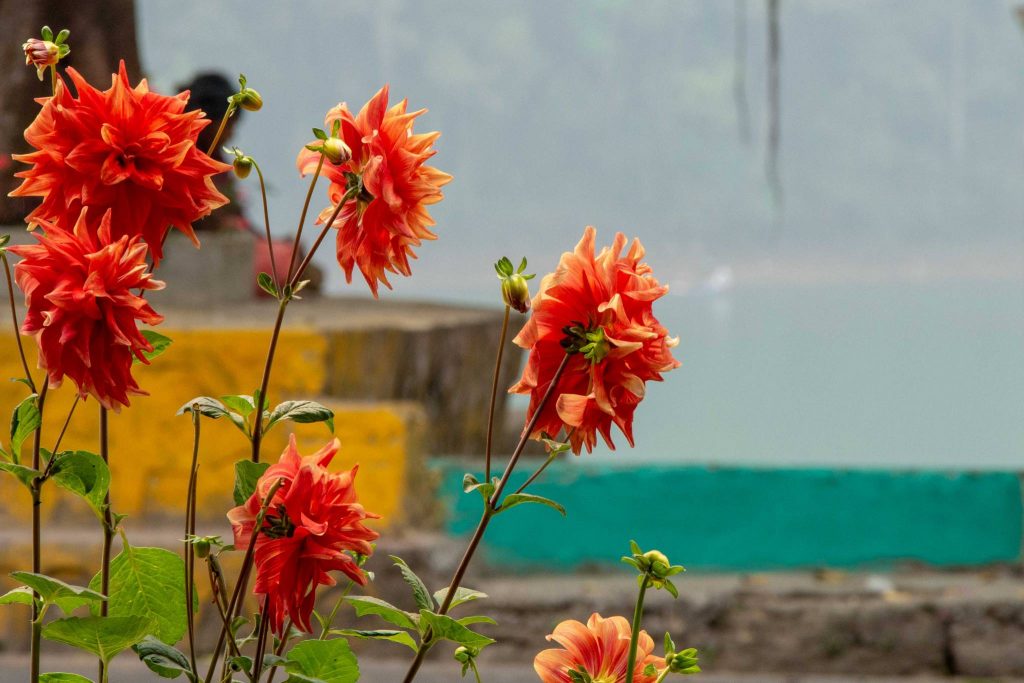
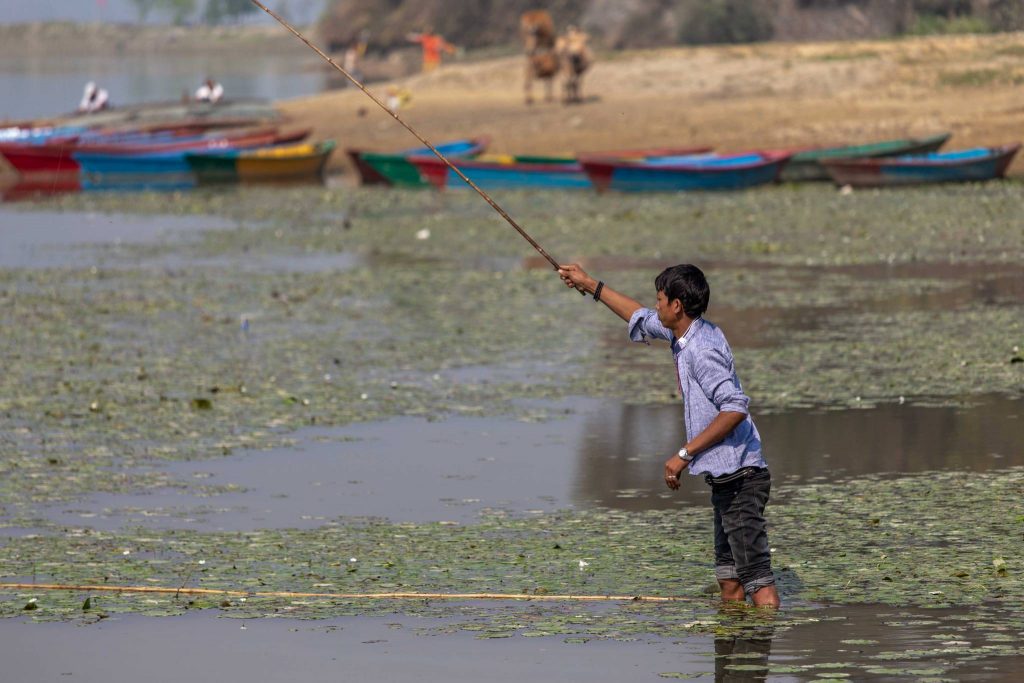
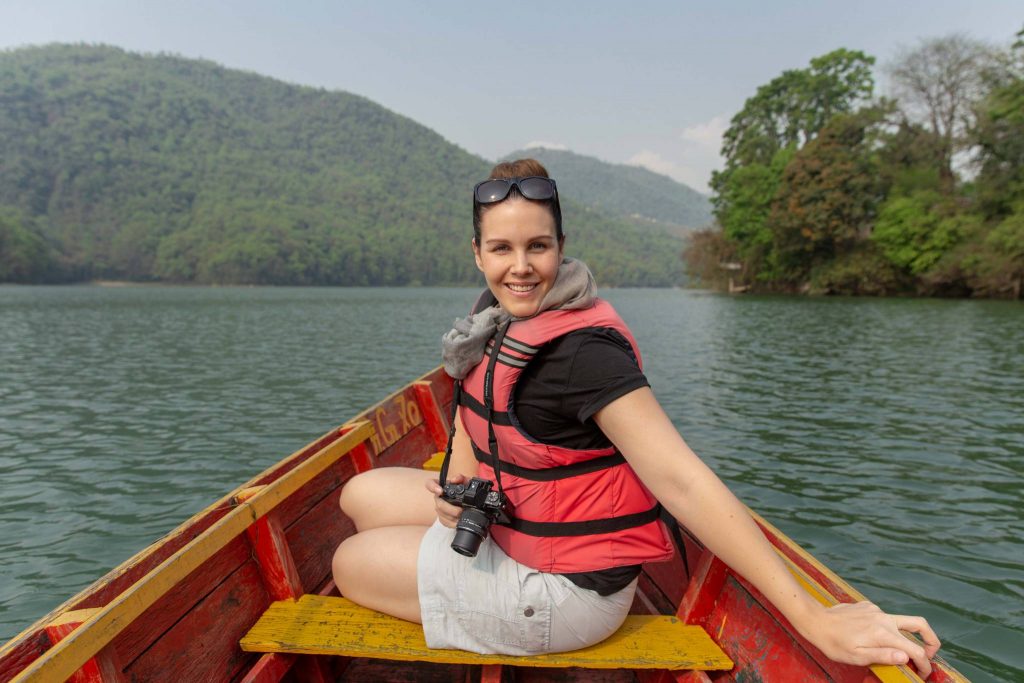
Pokhara is a really pretty town set beside Phewa Lake. It’s more subdued than neighbouring Kathmandu, and the streets are lined with wide footpaths so you can meander down the sidewalk browsing the shops and cafes.
Located in the Annapurna region, Pokhara is the base for hundreds of treks ranging from overnight to several weeks with very easy to more difficult trails. Many of the treks start only a short drive from the town, and the trails are dotted with well-equipped teahouses.
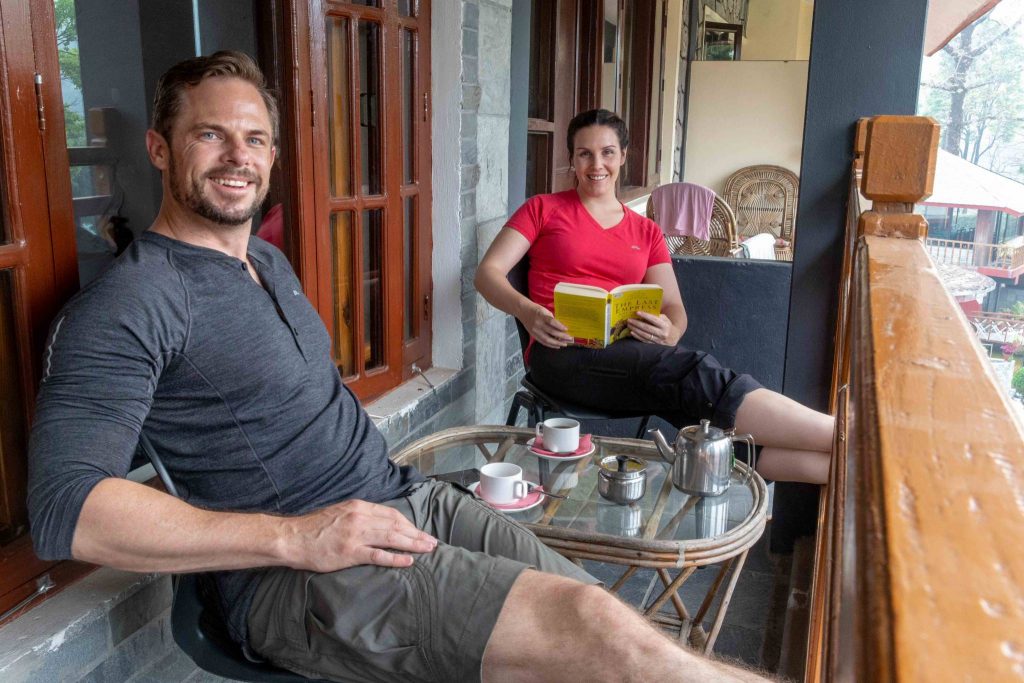
The first hotel we stayed in was in the centre of town and close to some of the most popular restaurants. It was a little too noisy, so after two days, we checked out and found a quieter place a few hundred meters down the road. This lakeside hotel had a small balcony where we happily relaxed with books and a pot of milky, warm chai tea.
One of my favourite things about Nepal is the freedom you have to come and go on your own schedule. You pay by the night for hotels and can just walk into one off the street and book a room on the spot. Even the most upmarket hotels in Pokhara will set you back $40 a night, including breakfast.
Pokhara has some great shopping opportunities. If you’re in the market for a cashmere shawl, this is the place to shop for it. Many of the stores are aligned with women’s cooperatives, providing employment for mothers and disabled women who otherwise could not work. The prices are higher than in Kathmandu, but the quality is better, and your money goes directly into the pockets of the people who make them. Stop by the Women’s Skills and Development shop. They have gorgeous bags, scarves and the cutest handmade soft toys. I picked a few up for my nephew who loved them.
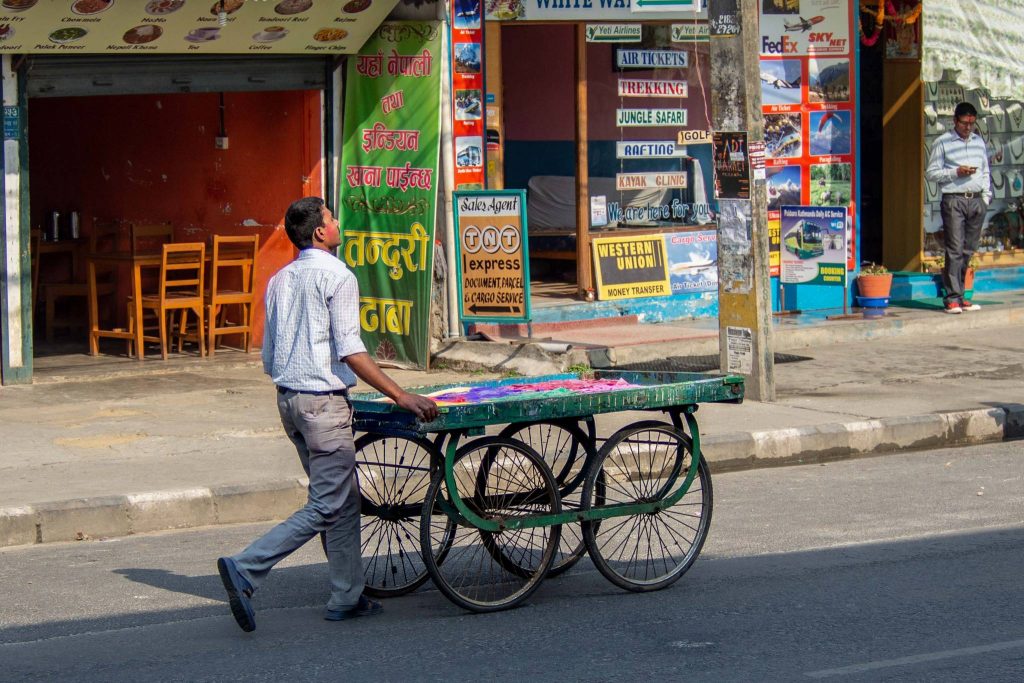
Holi
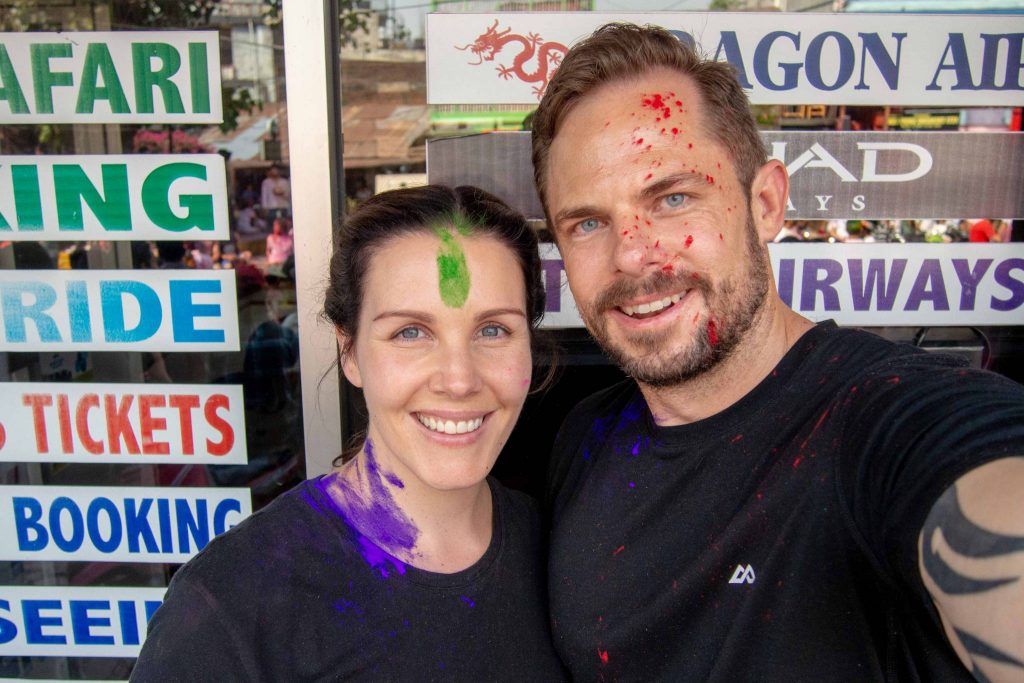
We spent two days exploring Pokhara and stuck around because we really wanted to experience Holi, the festival of colours or the festival of love. We parked ourselves in an outdoor cafe and watched people in the streets bomb each other with coloured powder.
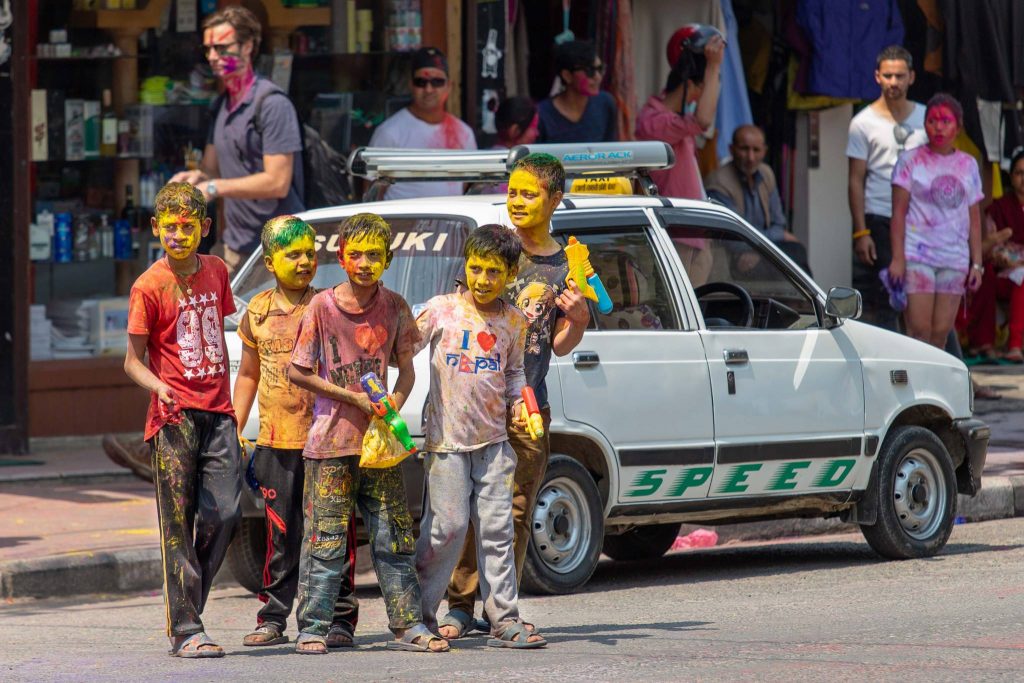
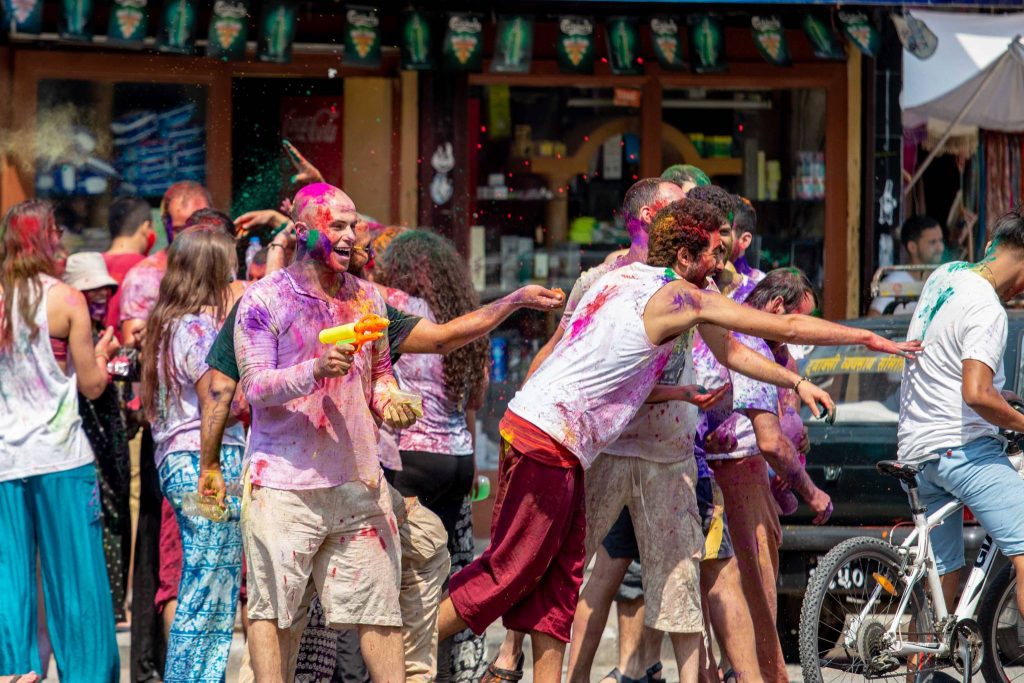
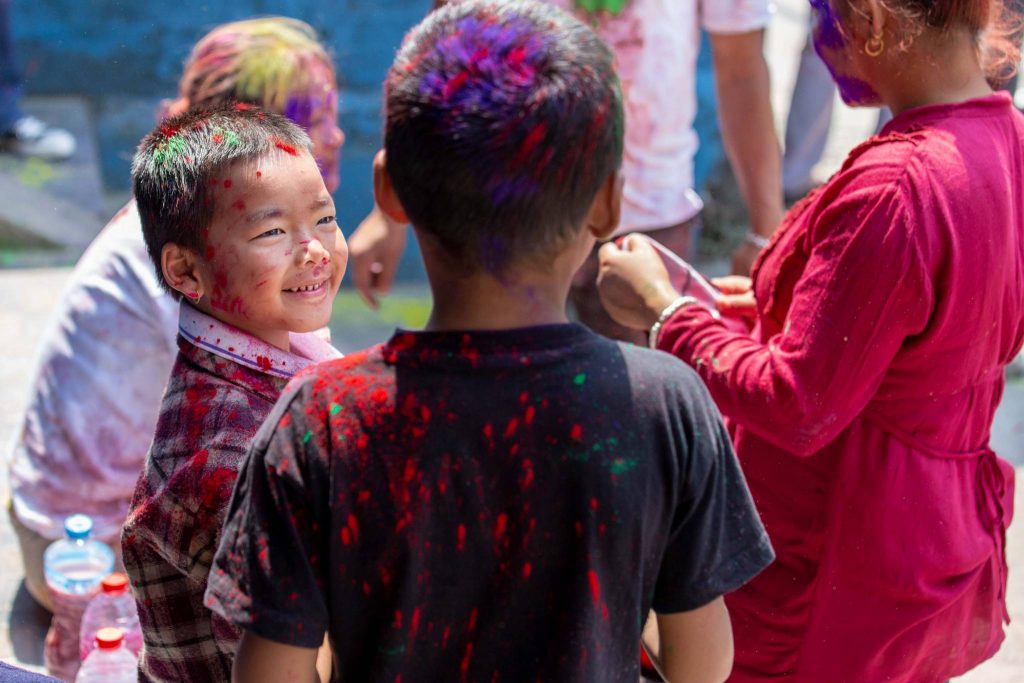
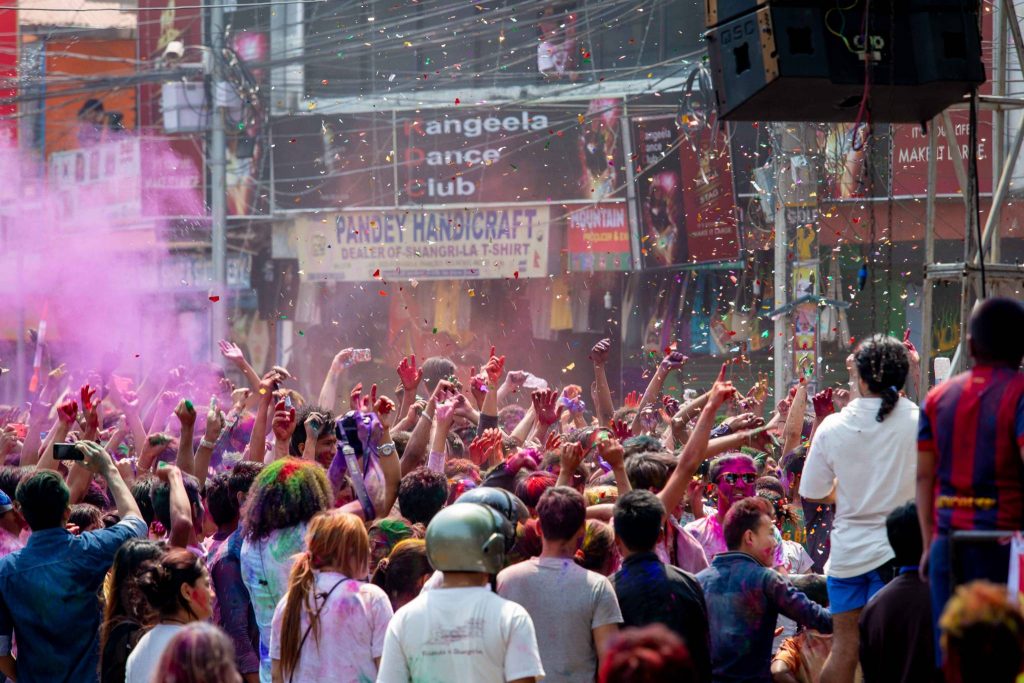
You could feel the energy and excitement in the air as the crowd grew larger in front of us, culminating in a giant rainbow mosh-pit, with everyone bouncing in time to dance music blasting from speakers in the town centre. It was incredible. After we had our fill of people watching and taking photos, Dave and I dared to venture down the streets (sans cameras) and made it back to our hotel relatively unscathed.
Annapurna Sanctuary
Also known as the Ghorepani Poon Hill Trek, this is a four to five-day circuit in the Annapurna ranges. The maximum elevation is 3,210 meters, and it requires a moderate level of fitness. You drive an hour and a half from Pokhara to Nayapul to begin your trek and finish up in Gandruk.
This time, we opted to trek solo without a guide or porter, carrying our own packs. The trek was relatively easy and well-travelled; the elevation was low, and we were fit and confident in our trekking abilities. We got our bags down to the bare minimum; mine weighed 26kg and Dave’s 34kg. Most of the weight came from our water, camera gear and sleeping bags.
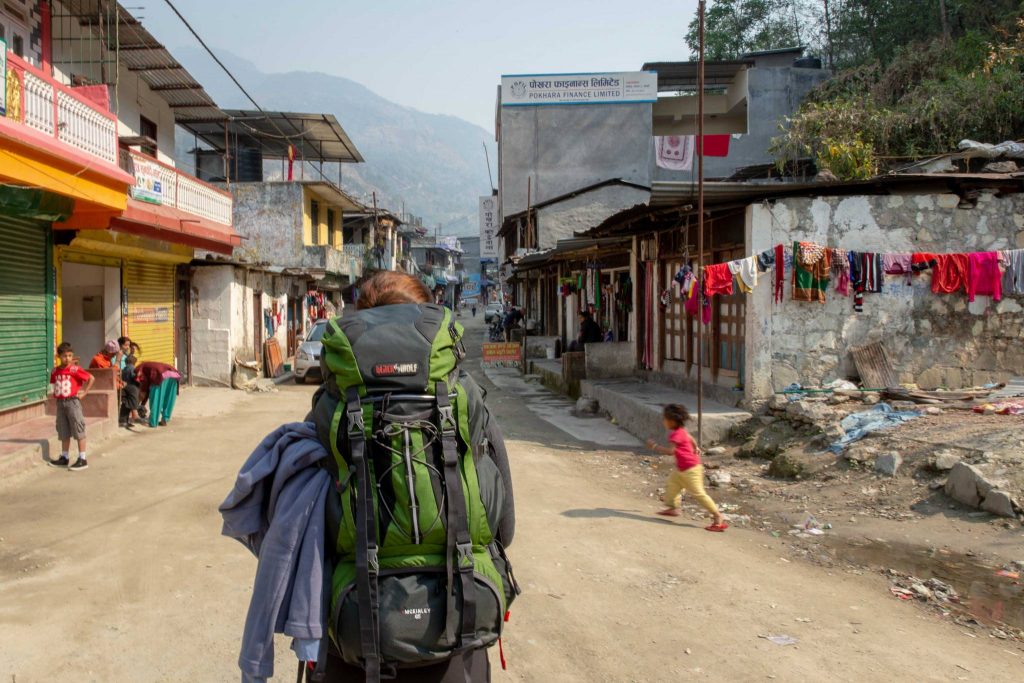
The start of the trail. We stopped for a cup of coffee, checked our gear and then began the hike.
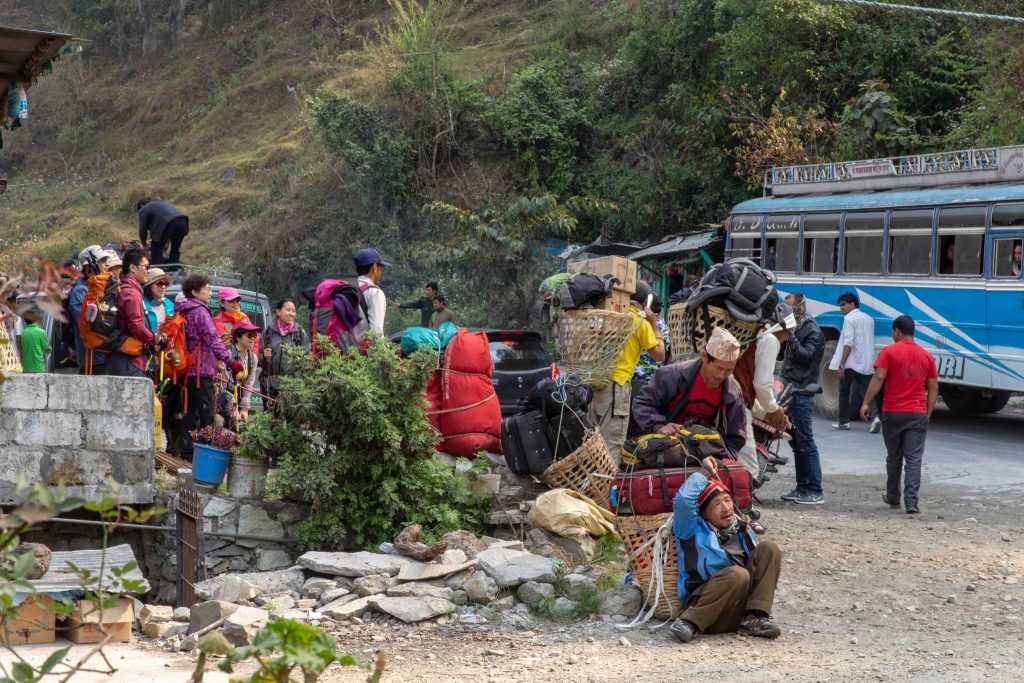
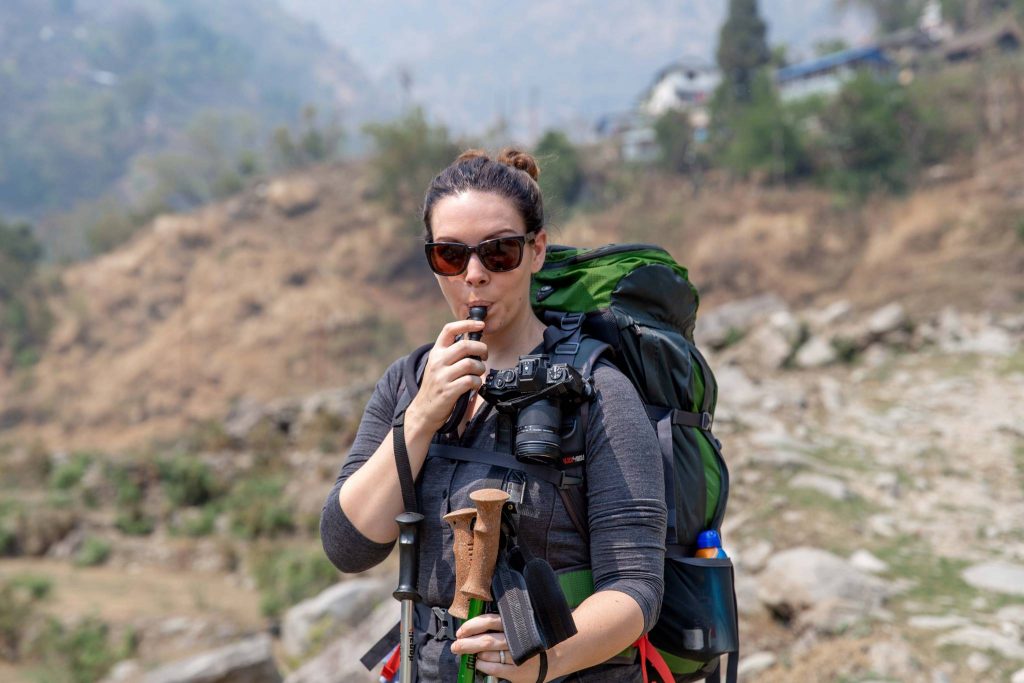
No need for water bottles when you have a Steripen and a Camelback!
We made it through day one with some huffing and puffing. The packs were heavy but not unmanageable, and we made sure to stop and rest whenever we felt we needed to. The first day was only 4-5 hours, so we took our time. Arriving in Tikhedunga, we settled into our teahouse for the night. At dinner, I had no appetite and only managed a few sips of soup and a handful of dry Pringles.
We went to bed around 7 pm, and within the hour I was suffering from bad stomach cramps and was feeling nauseous.
Warning, graphic details ahead!
The moment came when I felt like I needed to vomit, and the teahouse bedrooms are very basic. Two single beds and no bathroom. So I reached for the only receptacle I could find, an empty Pringles box and vomited into that and all over the floor. The rest of the night passed in a haze of nausea, cramps and freezing bathroom trips outside.
Dave was incredible through it all. He cleaned up my sick, fetched me water and woke up at the crack of dawn to try and get us back down the mountain. Because we were only a day up the mountain, Nayapul was accessible by 4WD. Dave called our travel insurance company, World Nomads, who arranged for us to be driven back to Pokhara, where I spent the day in a small hospital being pumped full of fluids and vitamins.
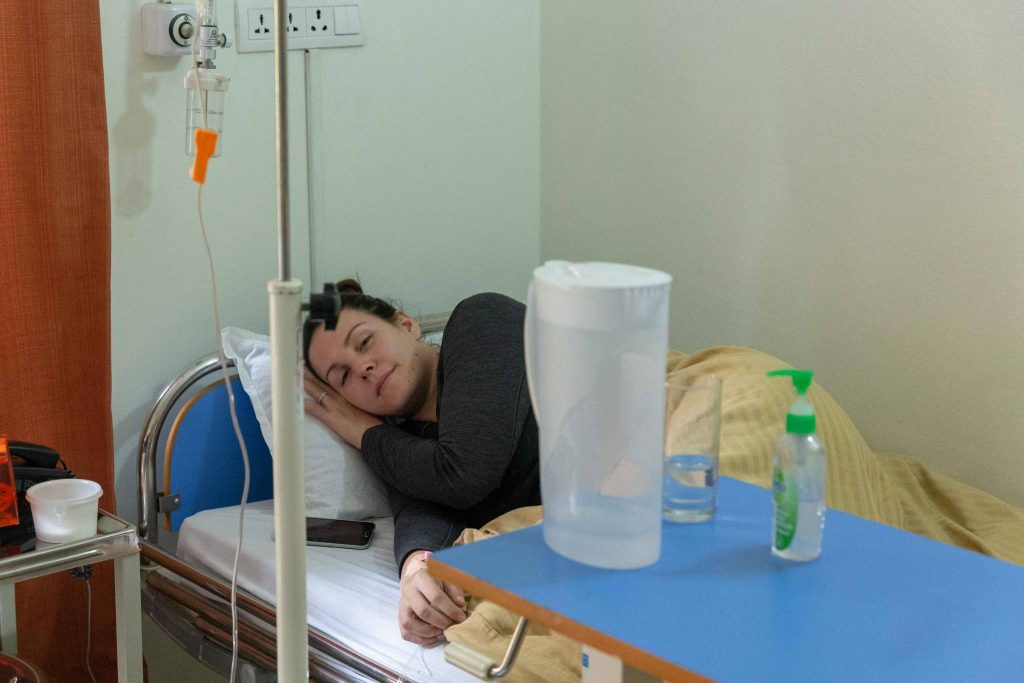
It was just bad luck that I happened to get sick; it could have been the teahouse where we ate lunch or one of the bathrooms I stopped in on the drive to Nayapul. It’s a risk you take when you travel anywhere, and I was fine after a short hospital stay. I can look back and laugh now.
Pokhara
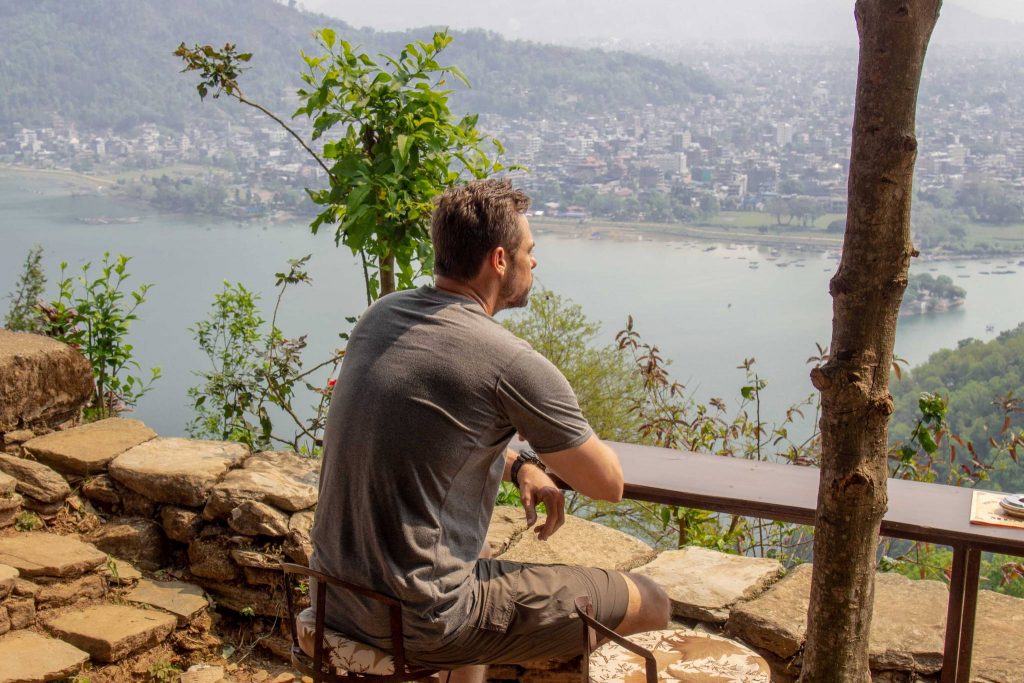
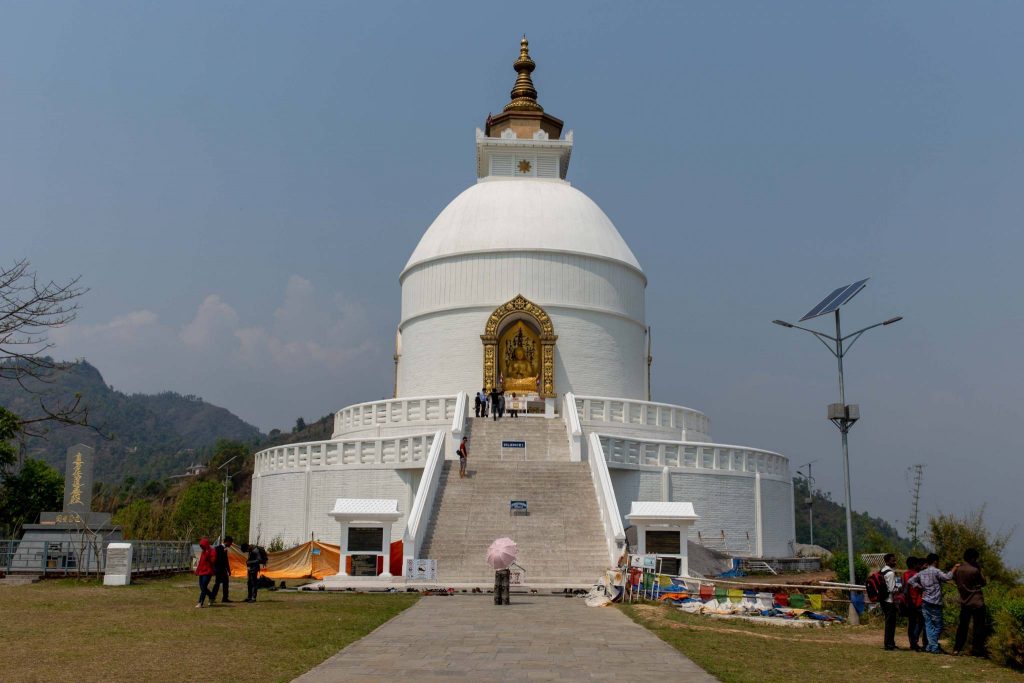
After a few days’ rest, I was feeling well enough to get out and explore again, so for 1000 rupees we took a boat across the lake to walk up to the Shanti Stupa, also known as the World Peace Pagoda. We hiked up to Stupa lakeside, which took about an hour. It’s a well-worn path and moderately easy. We did have a tea stop halfway up!
Australian Base Camp
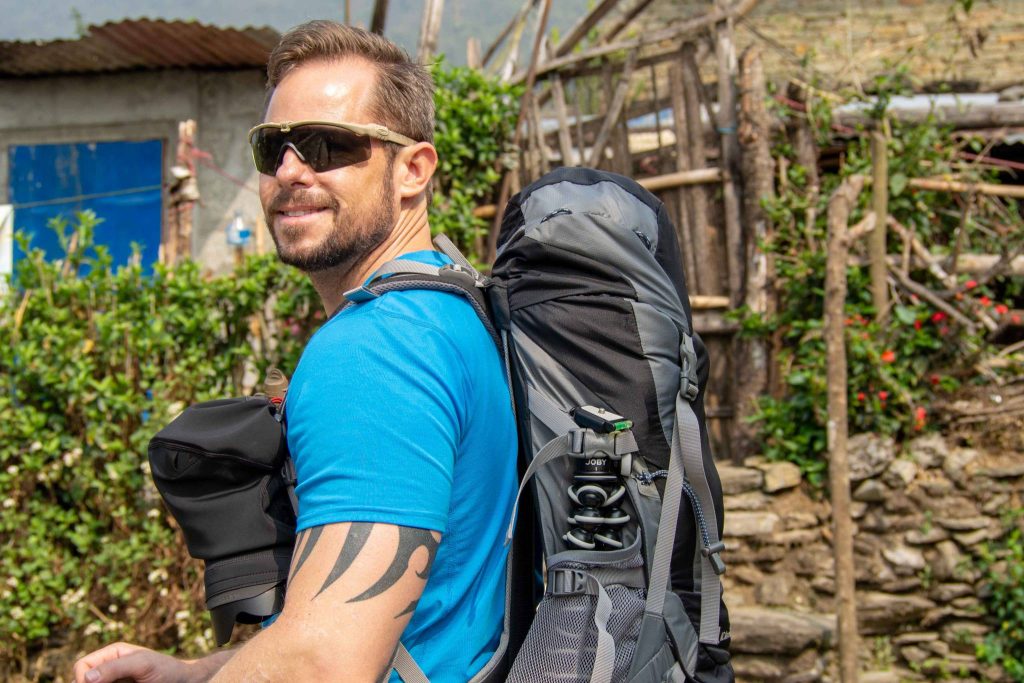
Feeling well rested and ready for another adventure. We decided to do another trek this time to the Australian Base Camp in Dahmpus Village, which promised views of the spectacular Machhapuchare Himal, also known as Fishtail Mountain. This one is an easy two-day trek with an overnight stay at the Base Camp. We took our small day packs with water, a sleeping bag, camera gear, a rain jacket and first aid.
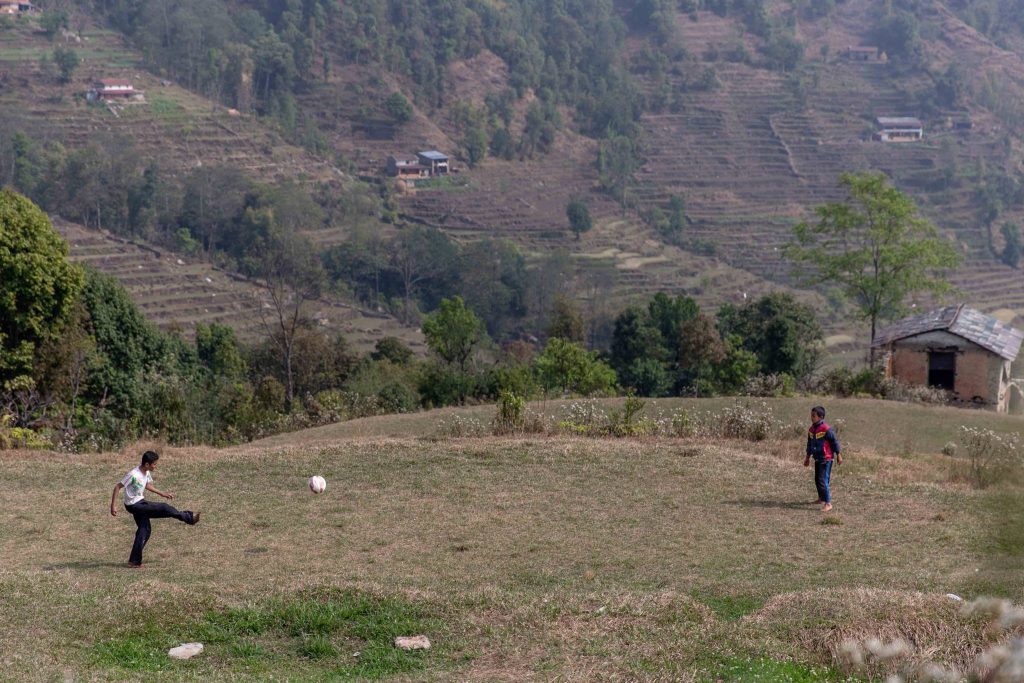
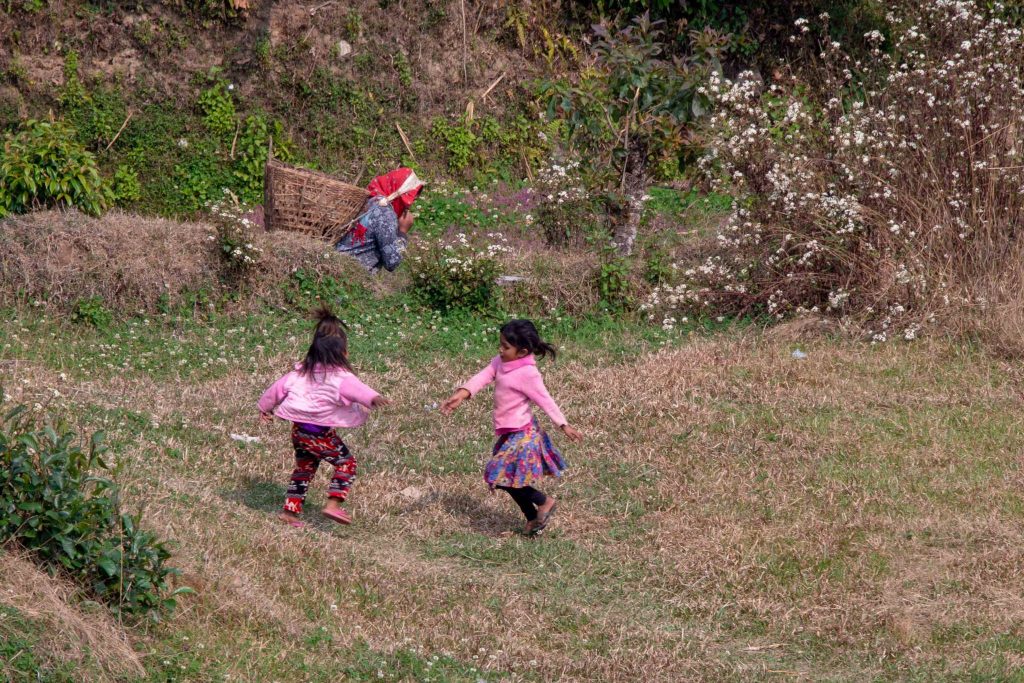
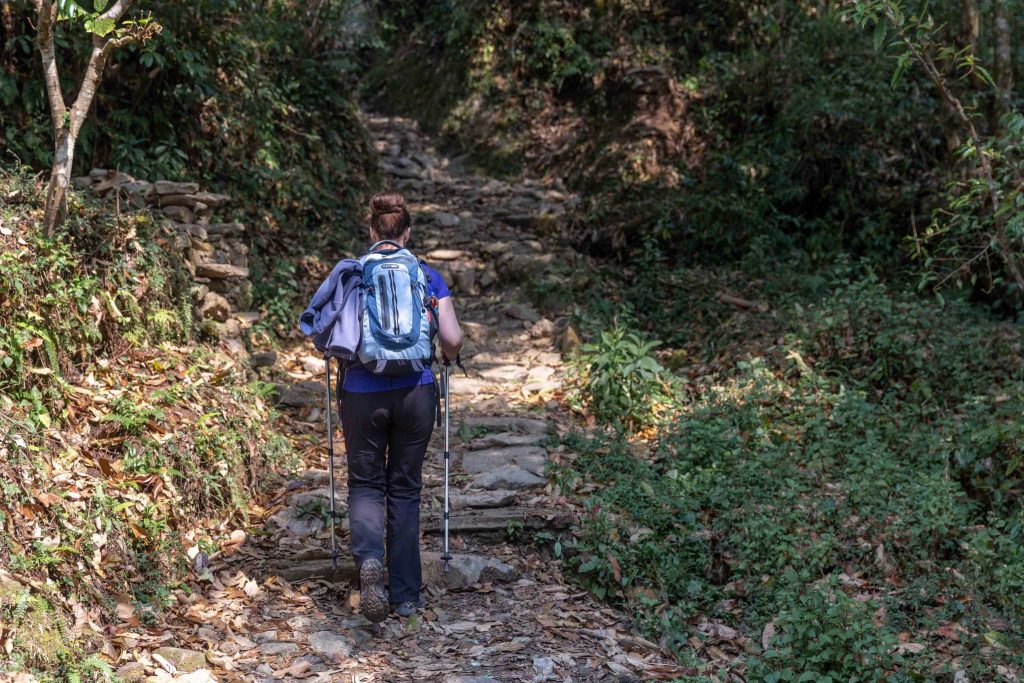
You start in Khandi, a 45-minute drive from Pokhara and spend an easy day walking through small villages and farmland surrounded by the lush greenery of the mountains. It’s an incredibly pretty area.
Overnight in Dhampus
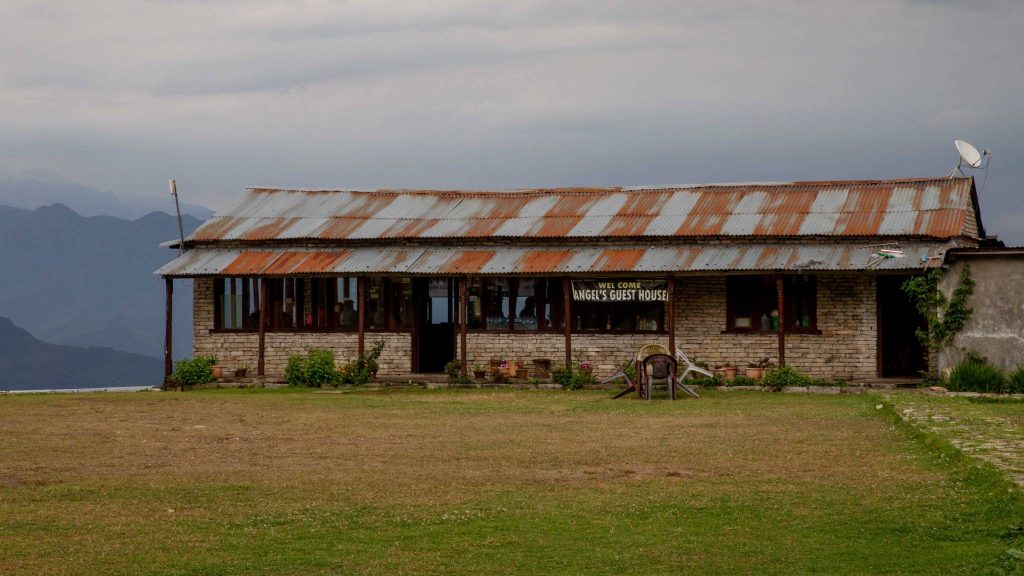
We stayed at Angels Guest House, run by the loveliest Tibetan couple with a funny little pug who patrols the borders of the hotel. The rooms come with their own bathroom, and breakfast is included in the price which was about $25 a night.
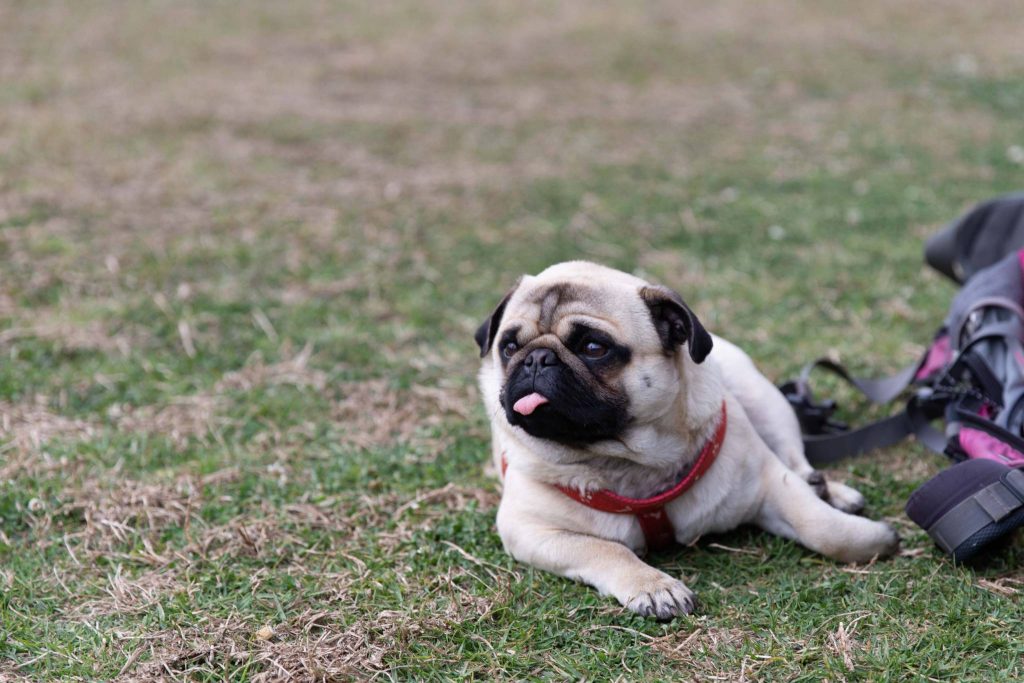
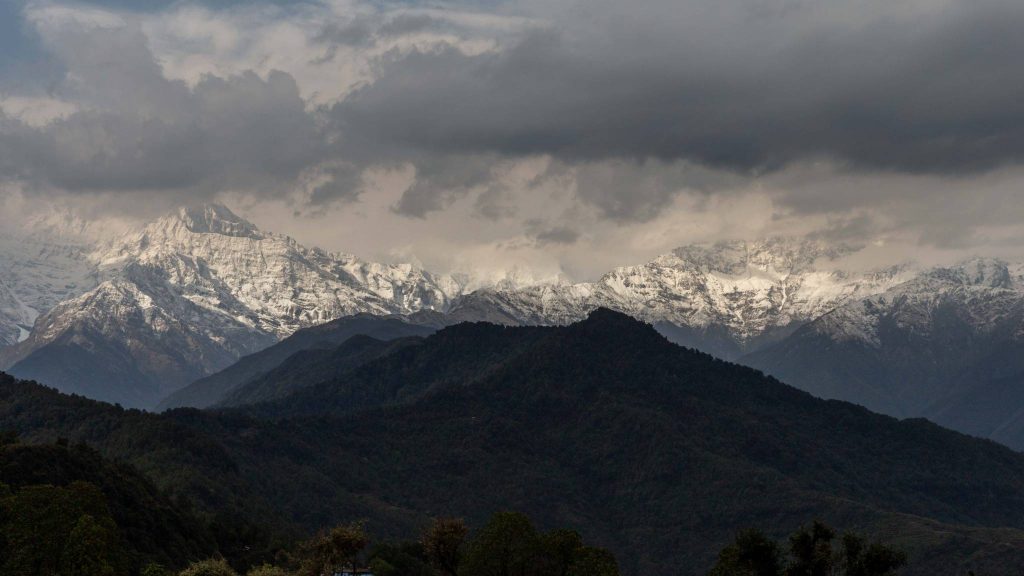
Shortly after we arrived, a black storm quickly rolled in. We set up camp in the teahouse dining room and watched the fat drops of rain roll down the windows. The storm was over almost as quickly as it began, and we caught our first glimpse of the Machhapuchare Himal. We grabbed our jackets and cameras and hurried down to the field where other keen photographers were gathering to capture the sunset.
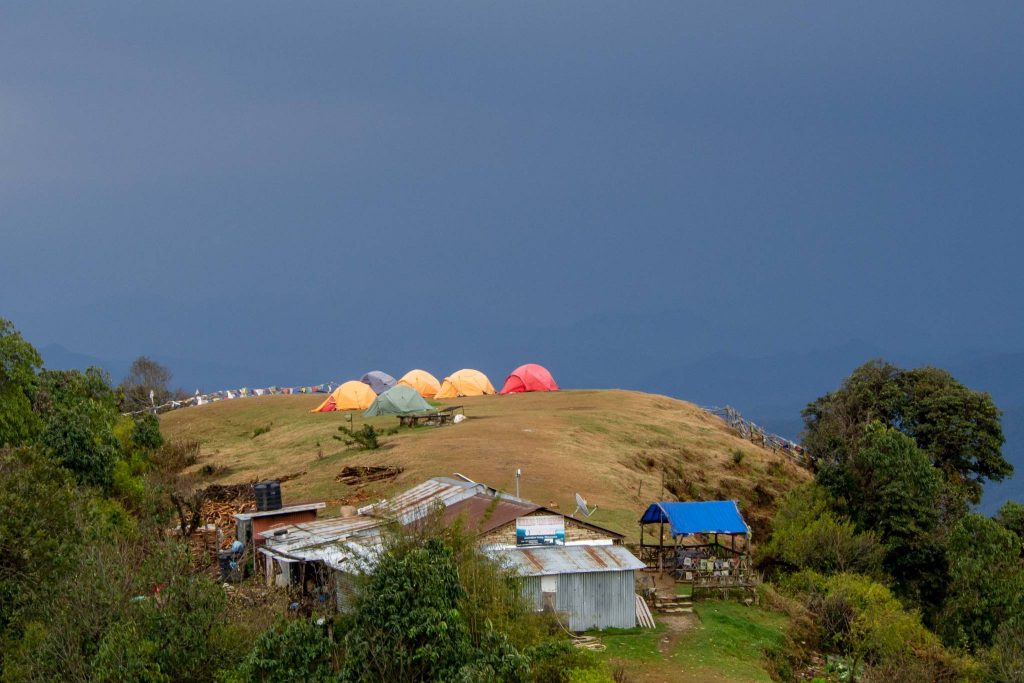
The field where a trekking group was camped. Not keen to sleep in a tent in the pouring rain, I much prefer the teahouse option.
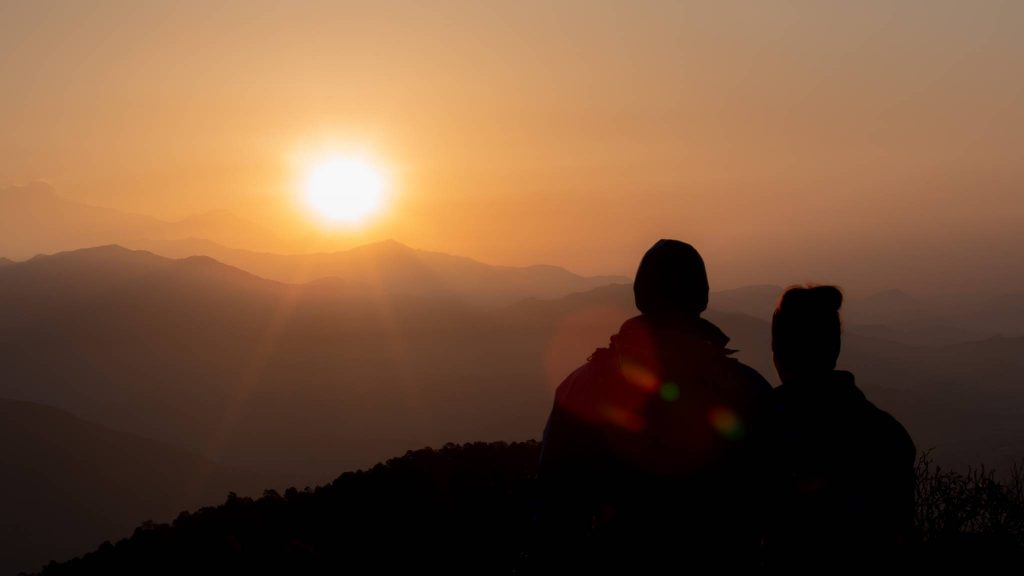
The sunset was beautiful and the perfect way to end the day.
Dhampus to Pokhara
The next day, we woke early for sunrise. It was chilly, but the stunning, clear mountain views and the promise of a hot breakfast and coffee made it worth the early wake-up.
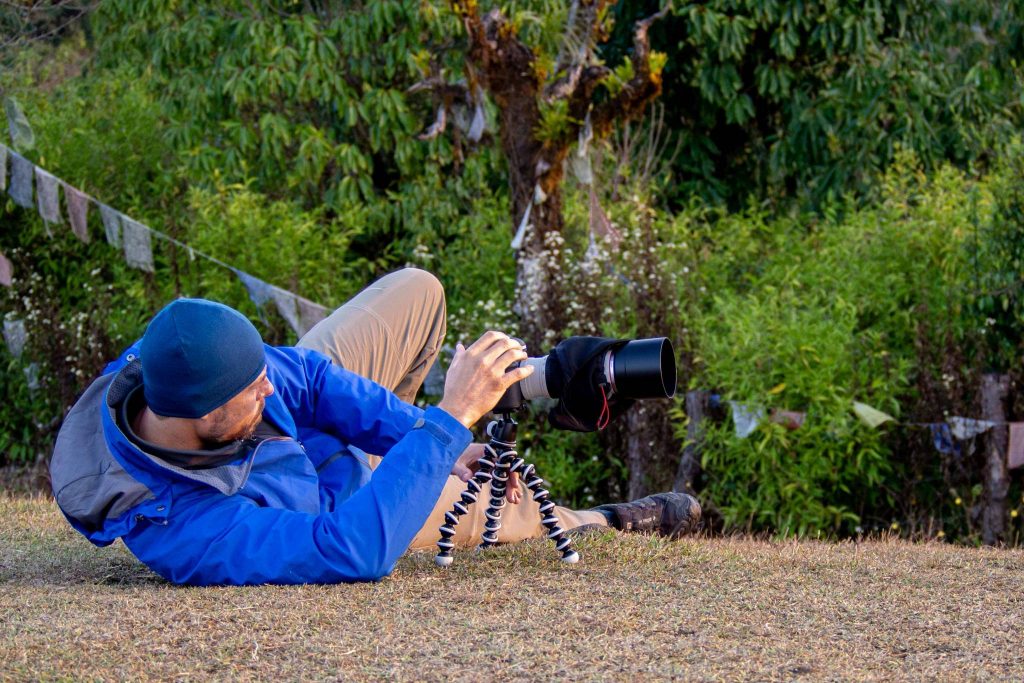
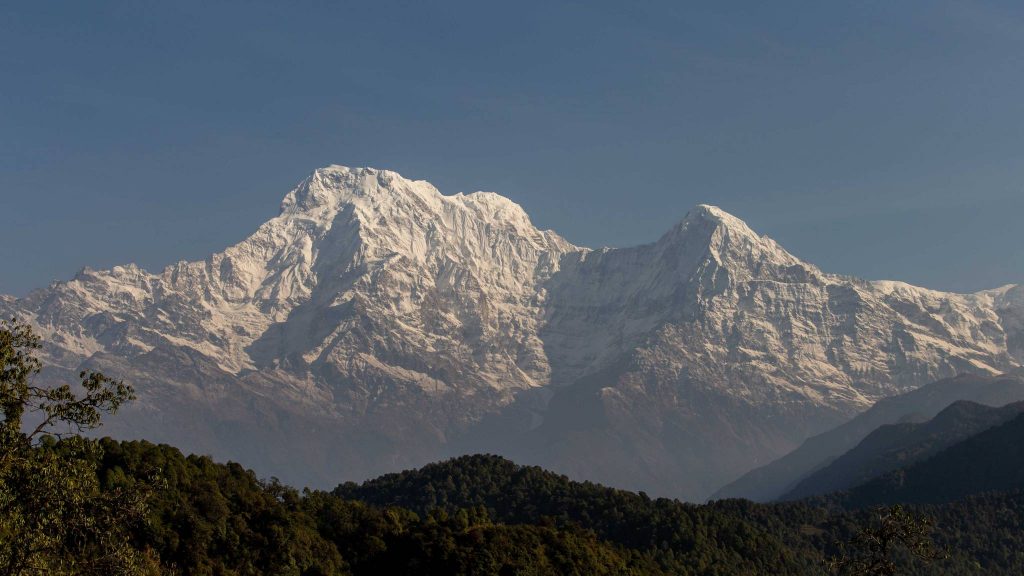
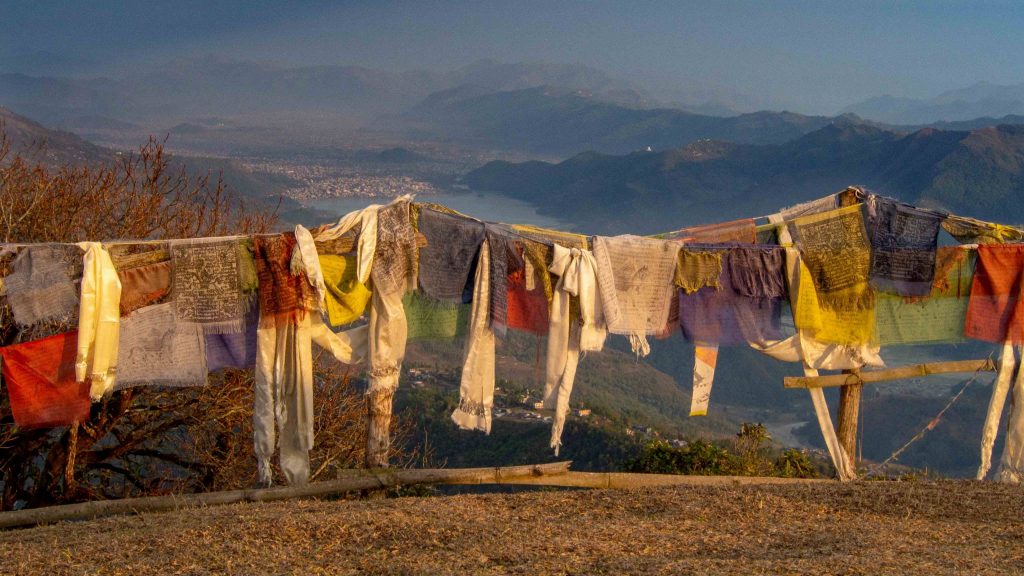
The view down to Pokhara and Phewa Lake.
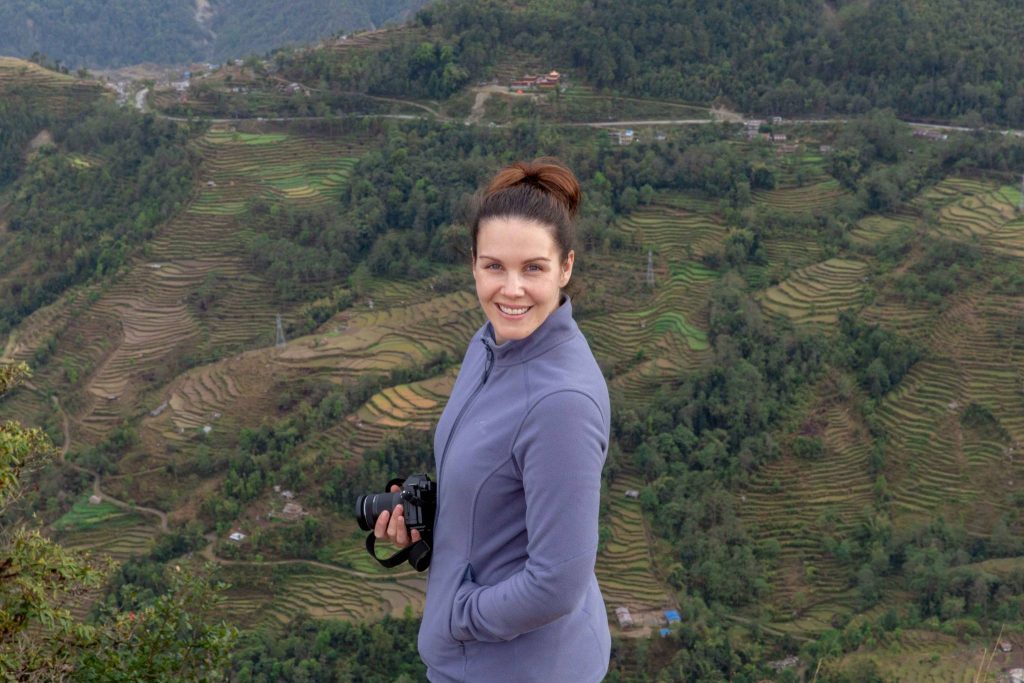
After breakfast, we hiked back to Phedi through the terraced rice farmlands. It was easy and mostly downhill, but not so great on the knees for the last hour or so!