There are few fabrics more at home in an Australian wardrobe than linen.
Light and breathable when the heat hits, cosy enough to layer when it cools, the ultimate travel companion, and always forgiving of a crease or two. It’s one of those materials that manages to be both practical and timeless.
Unlike most fibres, linen gets better with age, softening with every wash and picking up a lived-in character that makes each piece uniquely yours. And because it’s made from the hardy flax plant, it’s also one of the lower impact textiles around.
Flax generally needs less water than many other crops, can grow in poorer soils, and linen is biodegradable at the end of its life.
So if you’re looking to add a piece you’ll wear for years, these are some of our favourite sustainable linen clothing brands available in Australia and beyond.
A quick note about our brand guides
The Green Hub has been covering sustainable fashion for more than a decade. Our guides are put together by sustainability researchers and industry specialists, drawing on independent research and years of reporting on the space. We don’t include brands lightly. We consider material quality and how transparent a brand is about its production, with preference given to clothes designed to last.
We update each guide regularly as brands improve their practices, or new labels emerge.
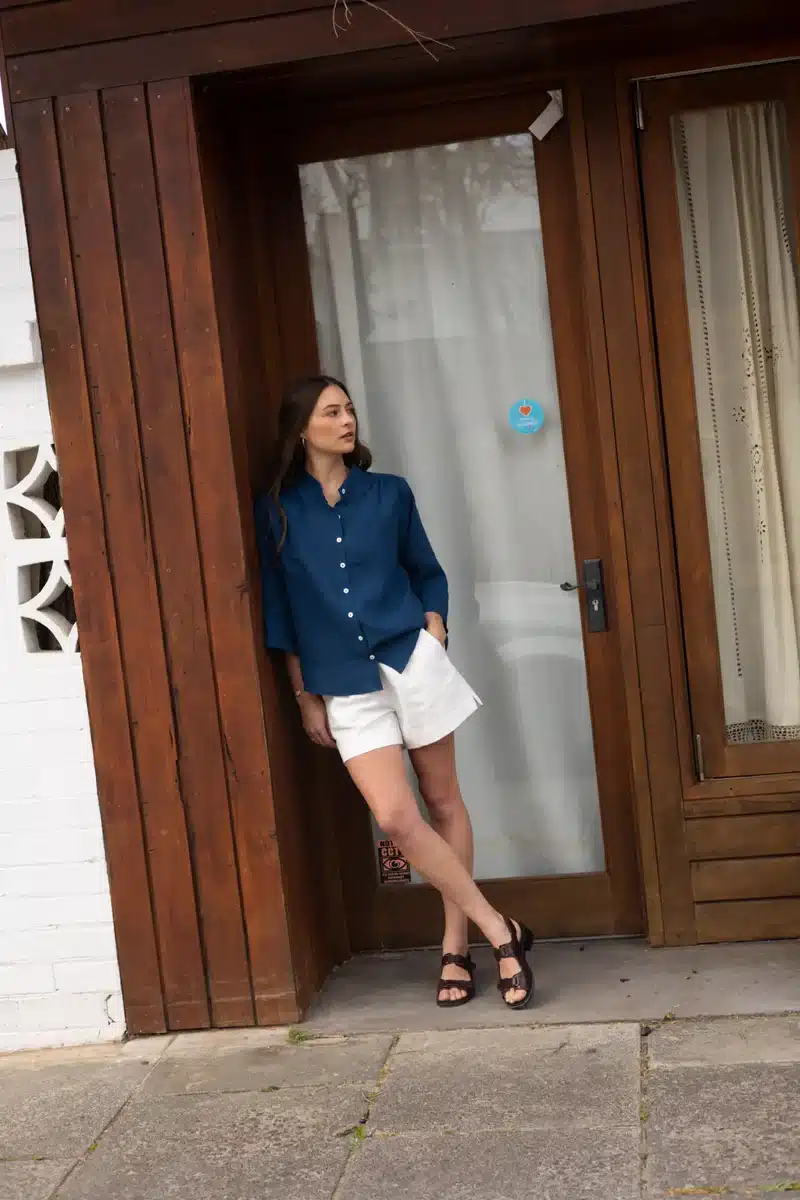
Kristin Magrit
Designed in her home studio in Subiaco, Perth, every Kristin Magrit piece is crafted in small runs or made to order, sewn by local makers within just a few kilometres of her studio.
Natural fibres like linen, hemp, raw silk and organic cotton form the base of her collections, chosen for how they breathe, wear and hold up over time.
Kristin is a designer who deeply cares about the journey of a garment, from the ethical sourcing of materials to conscious design and production processes. She aims to create pieces that customers will treasure for years to come.
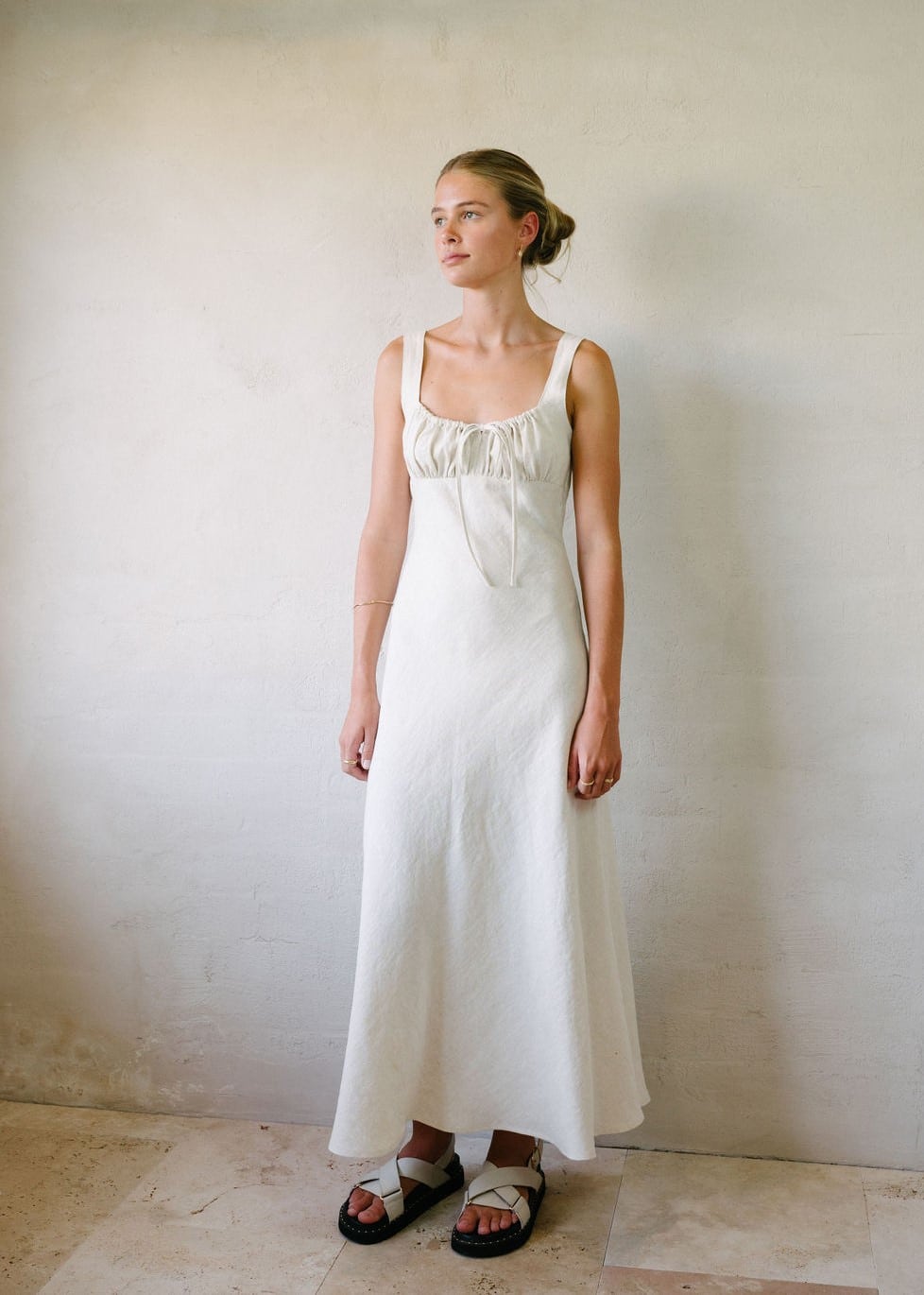
AFAR
From their studio on Wardandi Country (Dunsborough, WA), Afar creates small-batch linen and cotton pieces with care and intention. Everything is cut and sewn onshore in Perth, using natural fibres like OEKO-TEX® certified French flax linen and GOTS-certified organic cotton.
Founded by husband-and-wife duo John and Jana, the brand takes slow fashion seriously with minimal waste and collections designed to soften, age and eventually return to the earth.
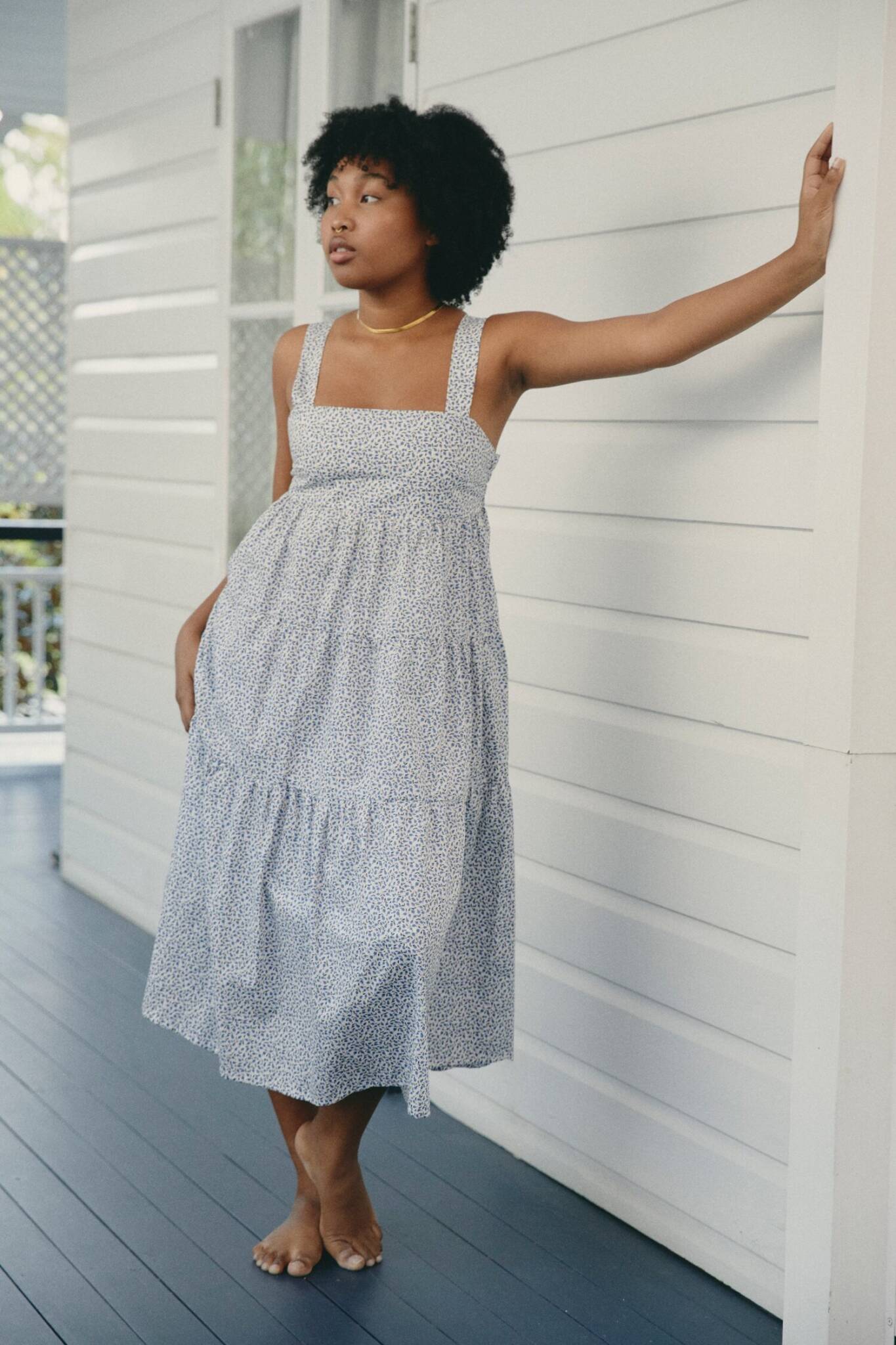
Ukiyo
Based in Brisbane, Ukiyo creates timeless linen pieces that celebrate slow fashion and craftsmanship. Founder Gerry grew up watching her mother sew, and that influence runs through every collection, resulting in clothes made with patience and care.
Each piece is produced in small batches, using natural fibres and ethical processes that prioritise quality over quantity. The result is a wardrobe of relaxed, versatile staples designed to be worn often and kept for years.
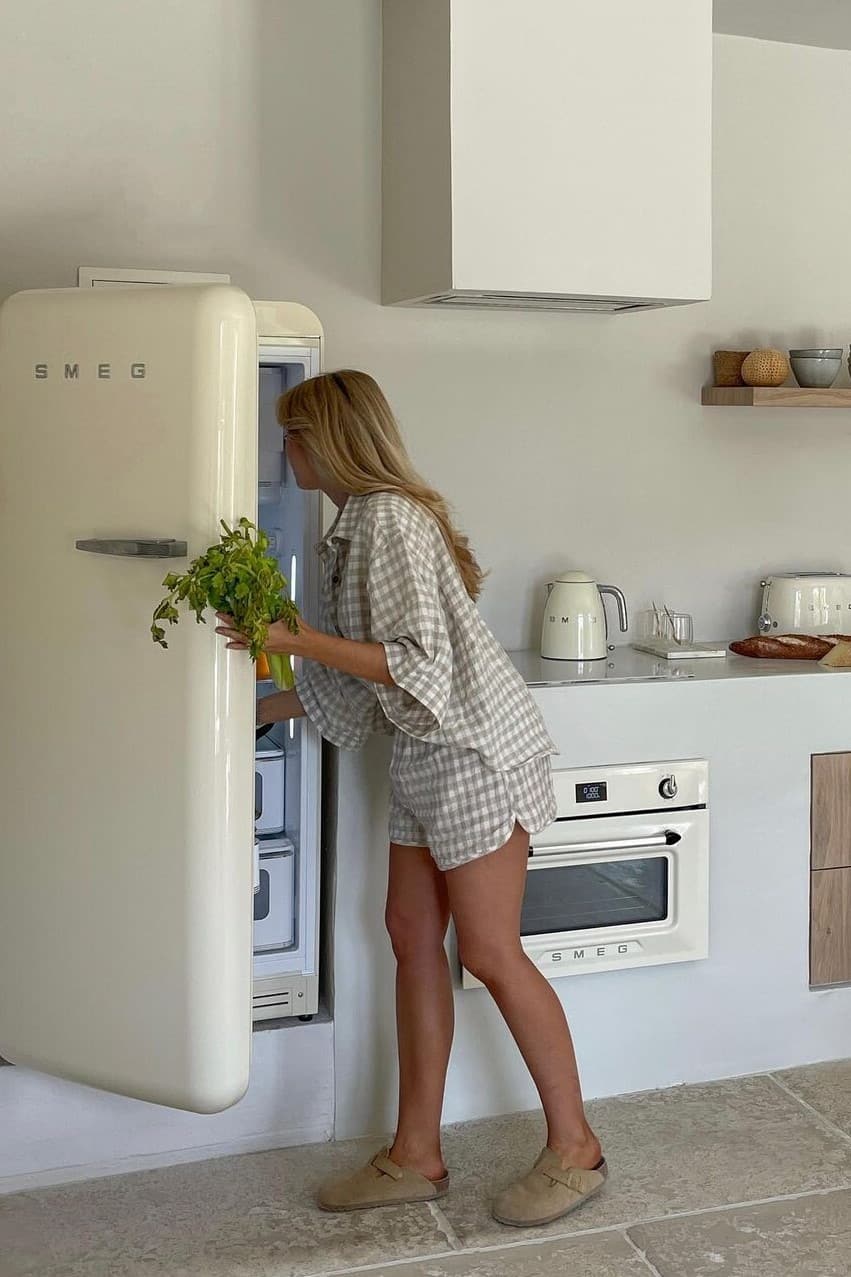
I Love Linen
Born on the Gold Coast and now loved across Australia. What started as a bedding brand has grown into one of Australia’s go-to labels for relaxed linen clothing.
They work with certified French flax linen, focus on small-batch production, and are transparent about their makers. With their breezy sets available in an array of muted neutrals to soft pastels, every piece is designed to be mixed, matched and worn on repeat.
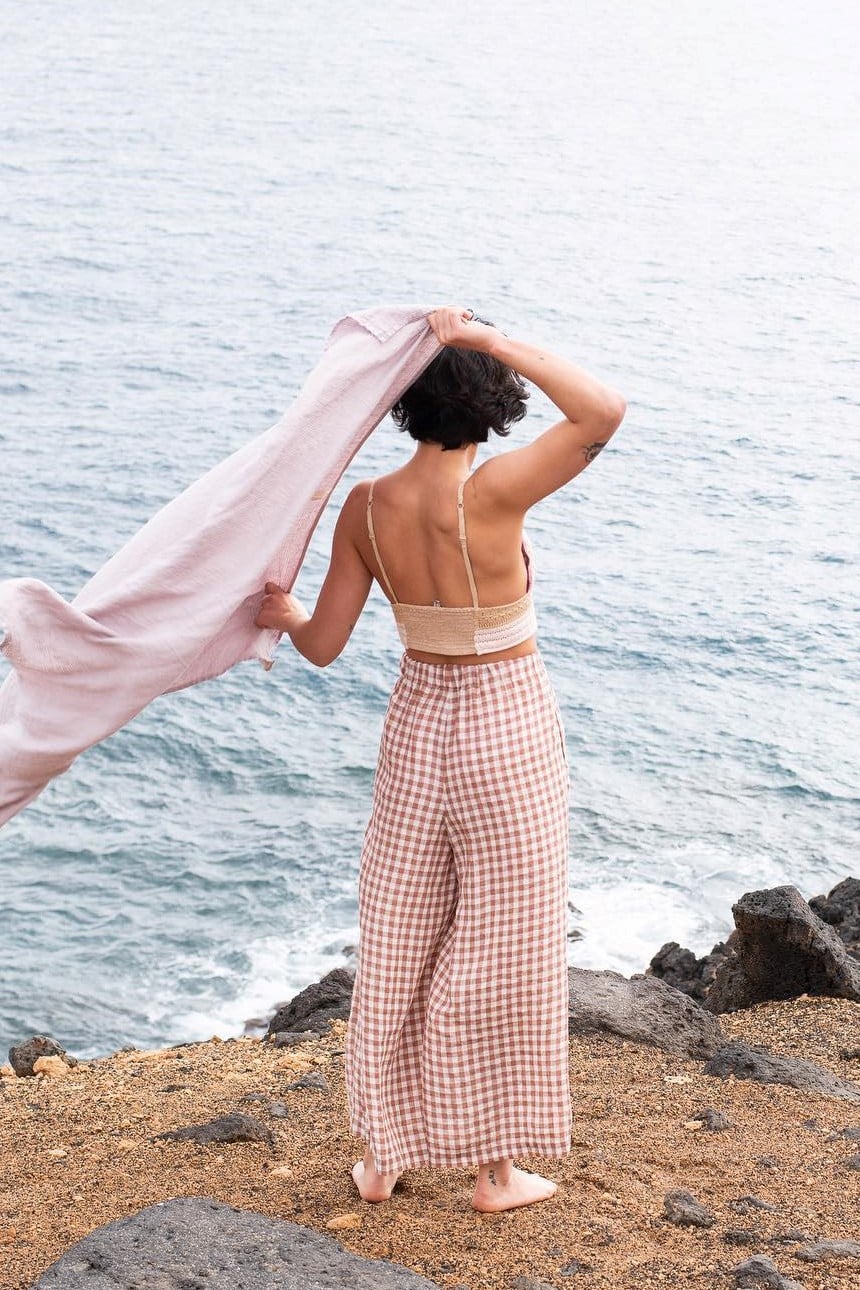
Not perfect linen
Family-run and proudly handmade, Not Perfect Linen has built a global following for its simple, well-cut designs that highlight the natural beauty of linen. Every piece is made to order, keeping waste to a minimum and giving each garment a personal, hands-on finish.
Using high-quality flax linen, they work slowly and transparently, embracing the character and quirks that make linen such a loved fabric. The result is clothing that feels lived-in from day one and only gets better with time.
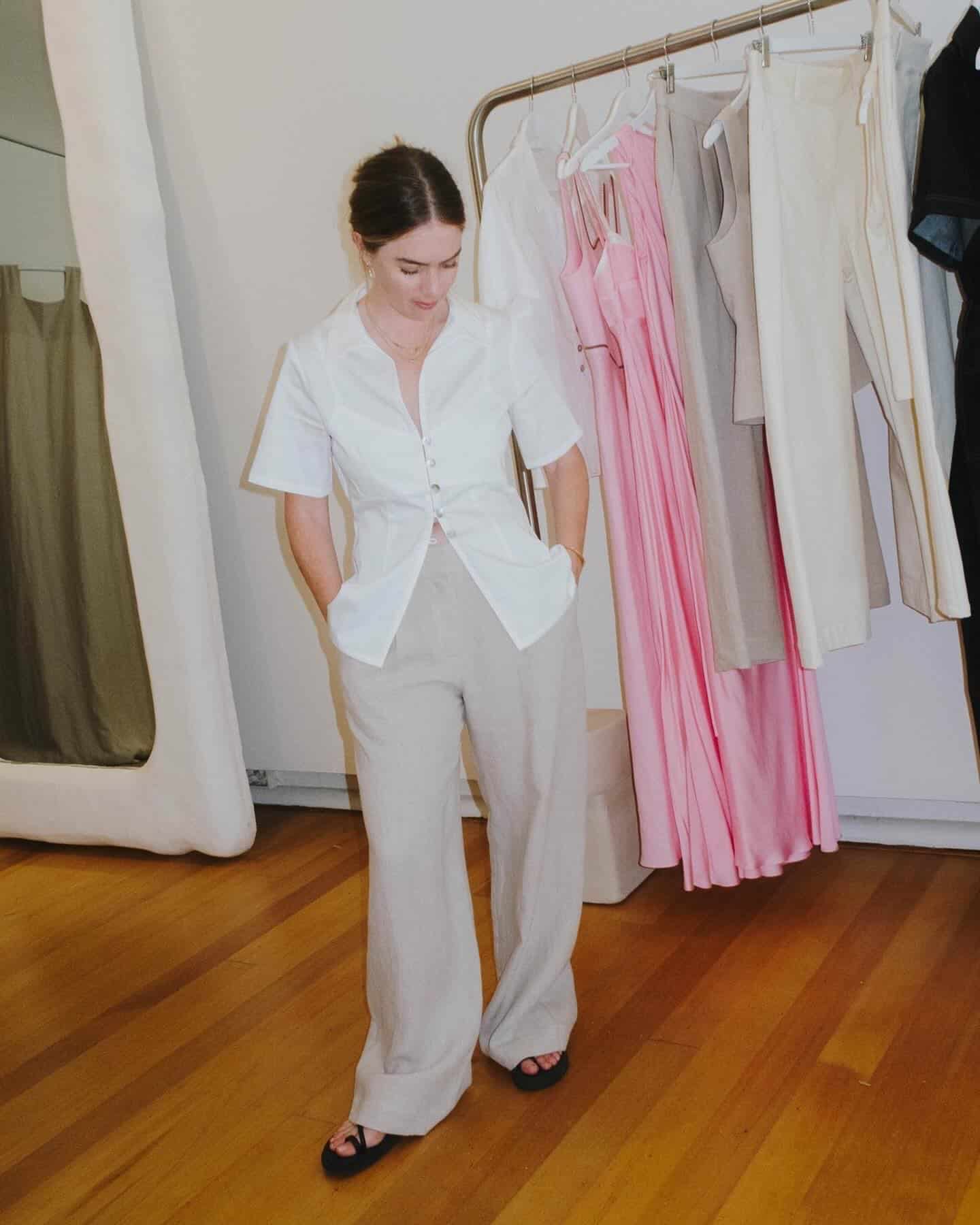
Jillian Boustred
Sydney designer Jillian Boustred works closely with a handful of local makers to produce her linen collections in small runs, all cut and sewn in the city. The collections are classic and easy to wear, made with careful tailoring and fabrics chosen to last.
There’s also a repair program on offer, so favourite pieces can be mended and kept in circulation rather than discarded.
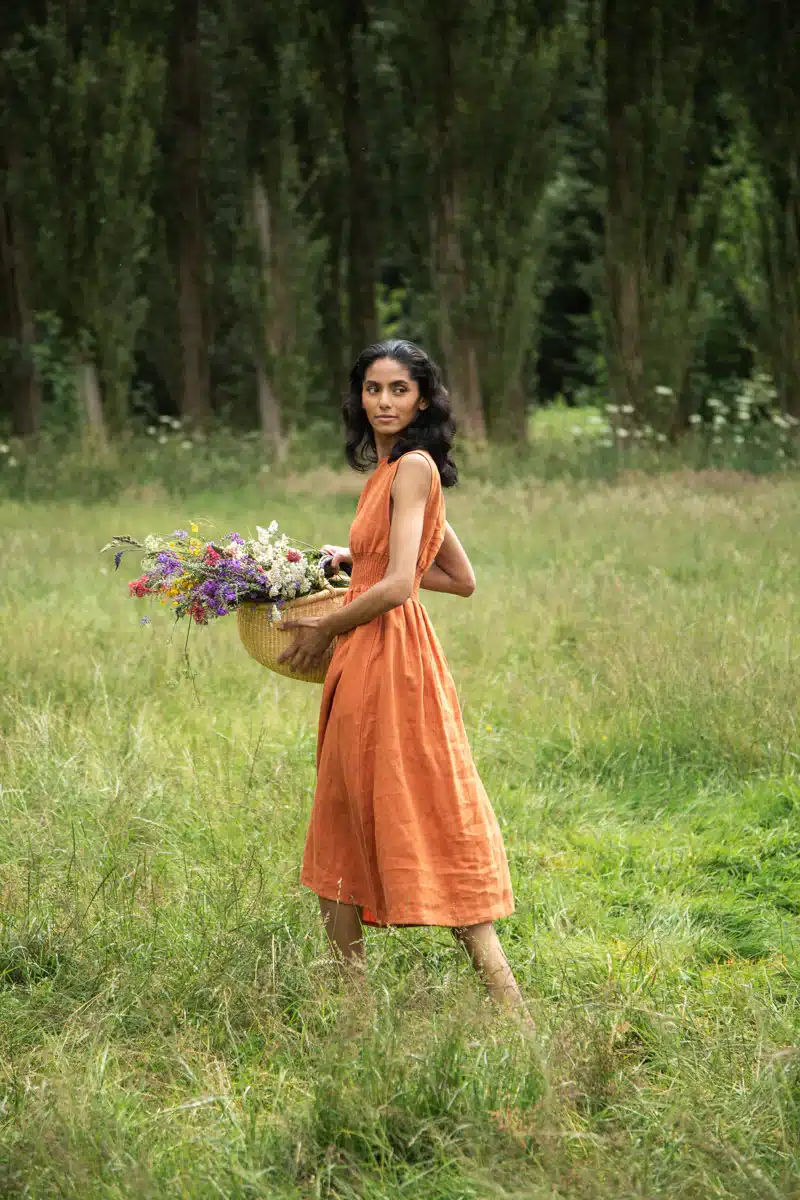
Beaumont Organic
Hannah Beaumont started her label in Manchester with a goal to prove that fashion can be both beautiful and responsible. Today, the brand is known for its mix of easy-to-wear wardrobe staples made from eco-friendly fabrics like GOTS-certified organic linen.
Most collections are produced in small, family-run factories in Portugal, with some lines still made in England. They also offer a resale program to help keep clothes in circulation for longer.
Country Road
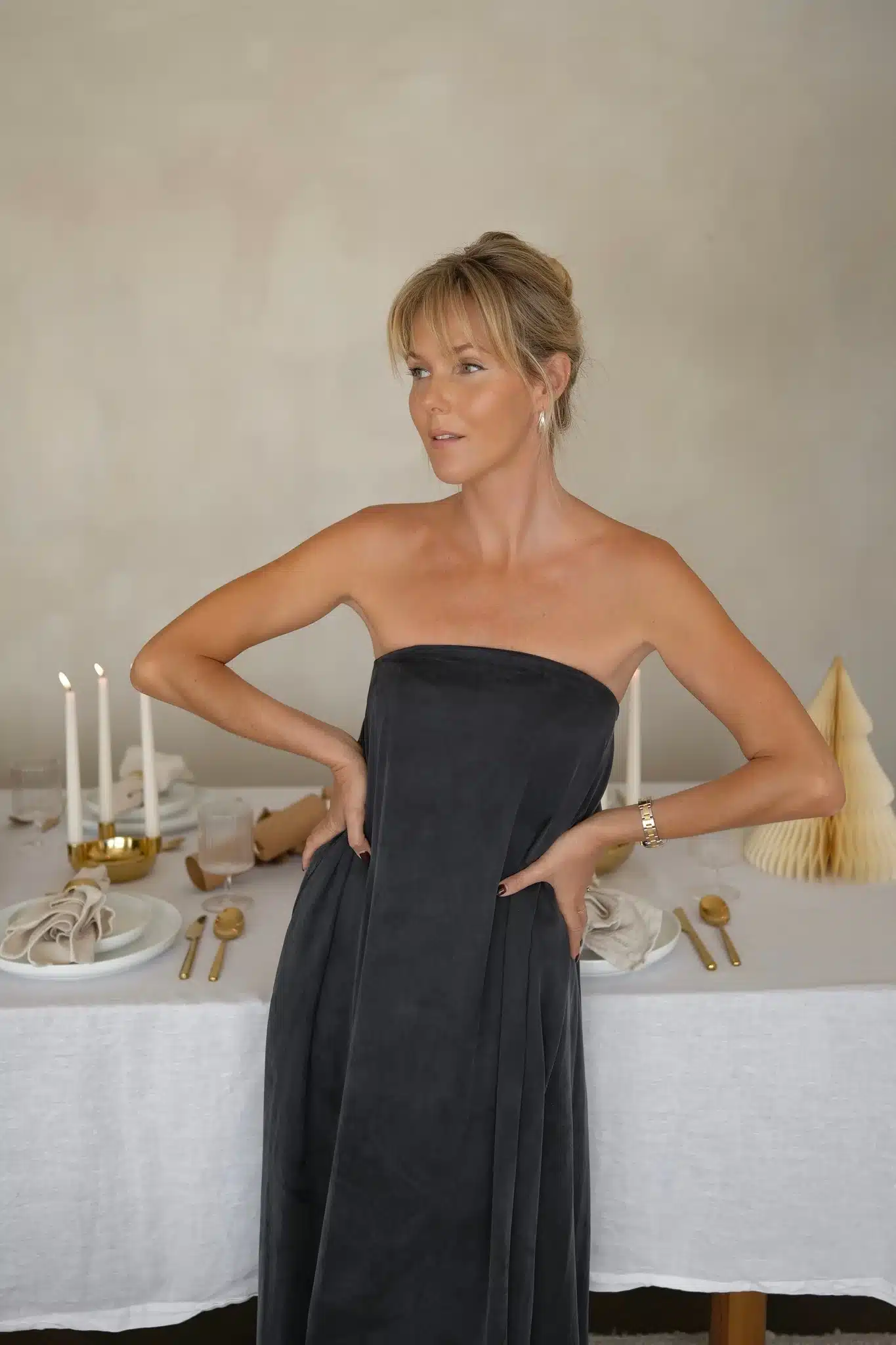
One of Australia’s best-known fashion labels, Country Road has expanded its linen offering in recent years, using European flax that meets strict sustainability standards. Their linen clothing leans on the brand’s signature style — simple, modern pieces designed for everyday wear.
They’re not perfect, but Country Road has taken steps towards greater transparency, including publishing supply chain information and traceability pages so customers can see where and how their clothes are made.
Linen Fox
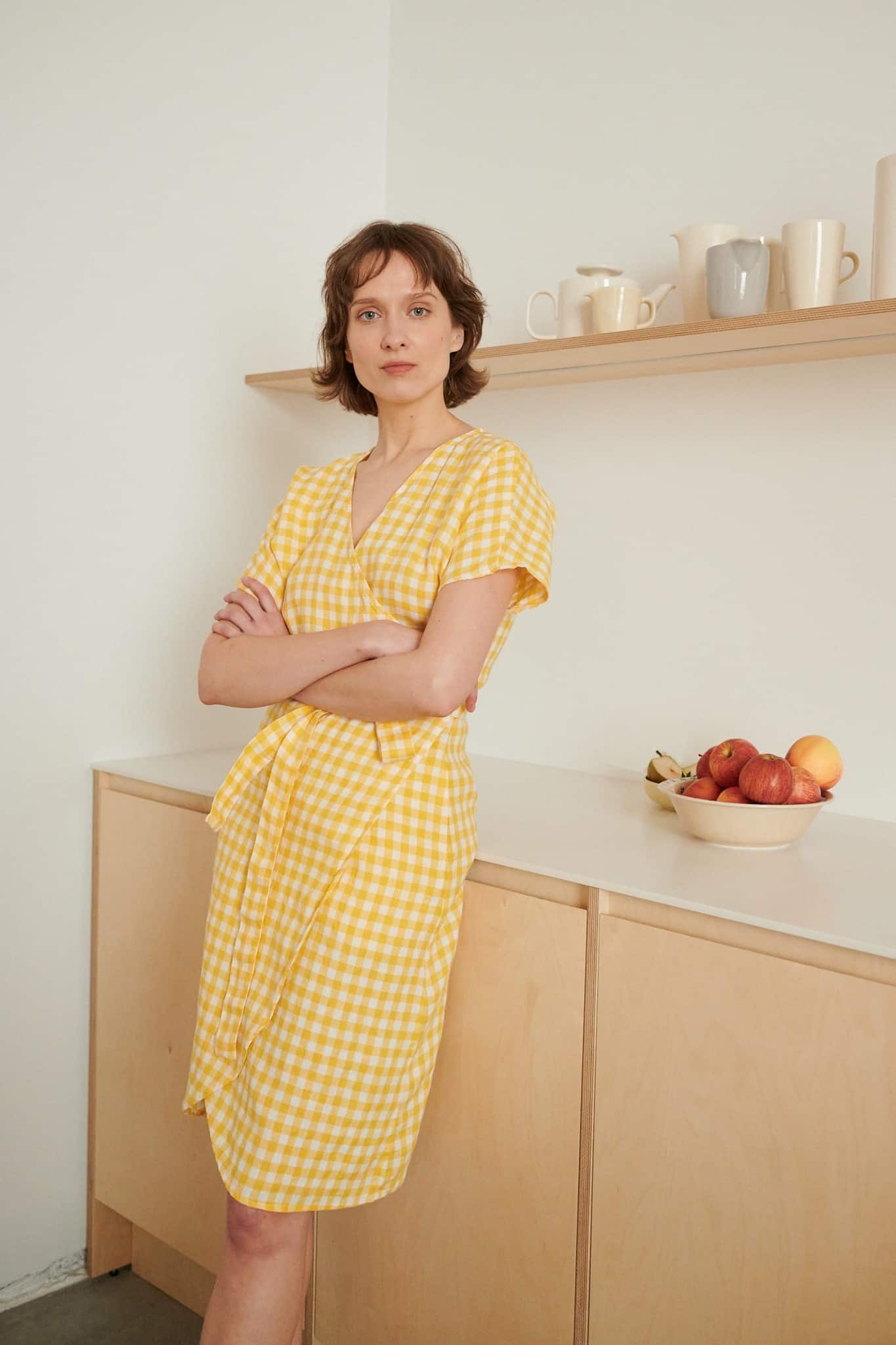
Based in Lithuania, Linenfox has earned a cult following for its simple, well-cut linen pieces that are made to order. Which means they keep waste to a minimum while giving each garment a personal, hands-on finish.
Collections focus on easy shapes and earthy tones that only get softer with wear. They’re also one of the more affordable linen labels around, with worldwide shipping that makes them a favourite well beyond Europe.
People Tree
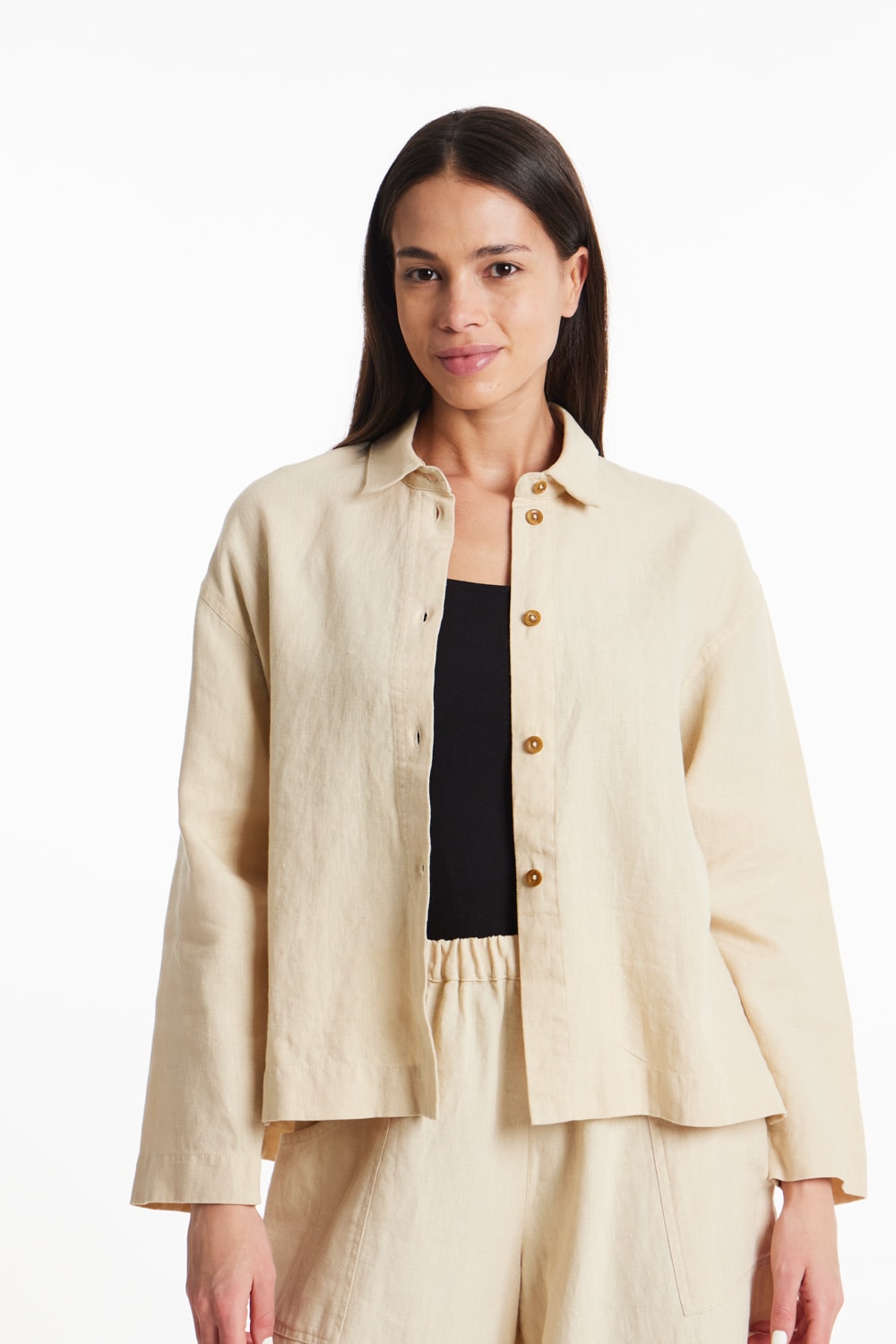
Long before it was trending, People Tree has been setting the standard for ethical fashion since the 90’s. Their linen range is made from 100% GOTS-certified organic linen and produced in Fair Trade–certified factories.
Collections lean towards clean, versatile shapes designed to last well beyond a season. With its long history, strong certifications and commitment to transparency, People Tree remains one of the most trusted names in sustainable fashion worldwide.
We hope you like the brands we recommend on The Green Hub. Our editors select each one independently. We may receive an affiliate commission when you follow some links.
Sustainability is an ongoing journey, and brands evolve over time. We do our best to keep this guide accurate and up to date, but certifications lapse and links occasionally break. If you spot something that needs a refresh, let us know.
The brands featured meet a range of ethical and sustainable standards, from certifications and living wages to transparent supply chains. That said, ethics are personal. This guide doesn’t cover every factor — like use of animal products or local manufacturing — so we always recommend checking a brand’s About page to see if their values align with yours.