The Best Australian Knitwear Brands for Winter 2026
The best ethical knitwear starts with a natural fibre, usually merino or organic cotton, backed by a credible standard like RWS or GOTS. Australia and New Zealand happen to produce some of the finest wool in the world. This guide covers our picks for winter 2026, plus a short explainer on fibres and certifications so you know exactly what you’re buying.

What to Look for in Sustainable and Ethical Knitwear
The best knit is the one you buy once and still reach for years later, looking and feeling exactly as it did the day it arrived. The first thing to do is to look at the fabric. Most fast-fashion knitwear is made from synthetic fibres like acrylic, nylon, and polyester, and they’re widely used and more affordable because they’re derived from fossil fuels and very cheap to produce.
Some synthetic knits feel just as soft as merino, but they don’t biodegrade, and every wash sheds microplastics into waterways. An IUCN report puts synthetic textiles at around 35% of the microplastics found in the ocean. Natural fibres regulate body temperature better and wear far longer. At the end of their life, they break down instead of sitting in landfill.
Australian and New Zealand merino is some of the best in the world. It’s finer and softer than regular wool, naturally odour-resistant and breathable enough to wear across the seasons. Possum wool, blended with merino, is a New Zealand specialty. It’s lighter than pure wool with a distinctive softness that’s hard to describe until you’ve worn it.
Is merino wool ethical?
Merino wool can be ethical, but it depends on the farm. The question most people are really asking is about mulesing, a painful procedure historically used on Australian merino sheep to prevent flystrike, and the main animal-welfare concern in wool. Brands using non-mulesed wool are increasingly easy to find once you know the labels to look for.
The Responsible Wool Standard (RWS) certifies that sheep are not mulesed and that farms meet animal welfare and land management requirements. ZQ, the New Zealand merino standard, does the same and goes a bit further with traceability. Some brands source directly from non-mulesed farms without formal certification, and in that case, they should say so plainly on their site. If a brand says nothing about mulesing at all, you should ask before you buy.
What about vegan knitwear brands?
For animal-free knits, Australian-grown cotton or organic cotton is grown without synthetic chemicals and certified to the GOTS (Global Organic Textiles) standard, which covers the dyeing and finishing processes as well. On ethical production more broadly, look for certifications such as Fairtrade, GOTS, or Ethical Clothing Australia accreditation. They aren’t the only indicator of a well-made brand, but they’re a reliable place to start.
As always, the most sustainable knitwear is the piece you already own.
When buying something new, buy the best quality you can afford and expect to wear it for a decade. One well-made cotton or merino knit will outlast ten cheap ones, and usually cost less over time.
A quick note about our brand guides
The Green Hub has been covering sustainable fashion for more than a decade. Our guides are put together by sustainability researchers and industry specialists, drawing on independent research and years of reporting on the space. We don’t include brands lightly. We consider material quality and how transparent a brand is about its production, with preference given to clothes designed to last.
We update each guide regularly as brands improve their practices, or new labels emerge.

Toorallie
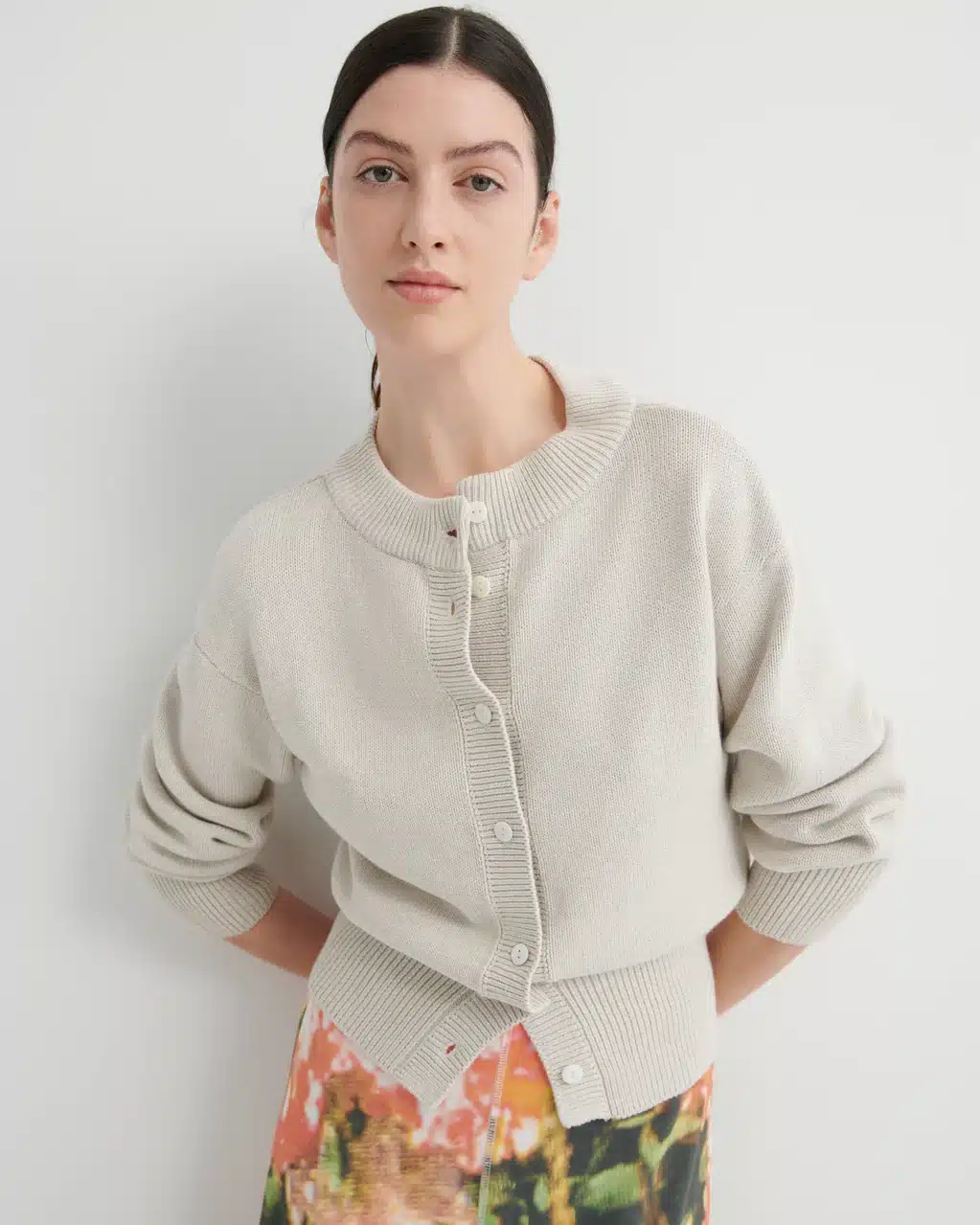
A Melbourne-designed label with a 200-year merino legacy behind it, tracing back to the family’s original sheep stud in Bombala, NSW, in 1825. The wool is 100% Responsible Wool Standard certified Australian merino, which guarantees non-mulesed sheep and progressive land management, knitted in specialist factories in China. The range covers classic knitwear for men and women, and the quality is exceptional. Buy once and care for them properly, and these are pieces you’ll still be wearing in a decade.
Kowtow
Founded in Wellington in 2006, Kowtow has built its entire label around 100% Fairtrade organic cotton, farmed without chemical sprays or genetically modified seeds, dyed with GOTS-approved inks, and made through the same two manufacturers in India they’ve worked with from the start. Their knitwear is made to last, with free repairs in-store and a resale platform, Kowtow Relove, for buying and selling preloved pieces. The strongest vegan option on this list.


McIntyre Merino
McIntyre is an Australian merino brand with a fifth-generation wool farm in Western Victoria behind it, and a colour range that has no business being this good. Soft lavender, bright lime green, burnt orange, alongside all the classic neutrals. The range covers everything from jumpers and cardigans to tees, socks and loungewear. Most pieces are made in Vietnam or China, with select Australian-made styles listed on the site. If you want to try before you buy, they have a store on Oxford Street in Sydney.
Cloth & Co
A mother and daughter label making beautiful knitwear in natural fibres, from chunky knits to full-length wool dresses designed to be worn for years. Caroline and Daisy have spent decades working alongside artisan communities and women’s cooperatives in India. They work directly with small family-run production units and use only natural fibres, producing in small batches to avoid waste.

Nagnata
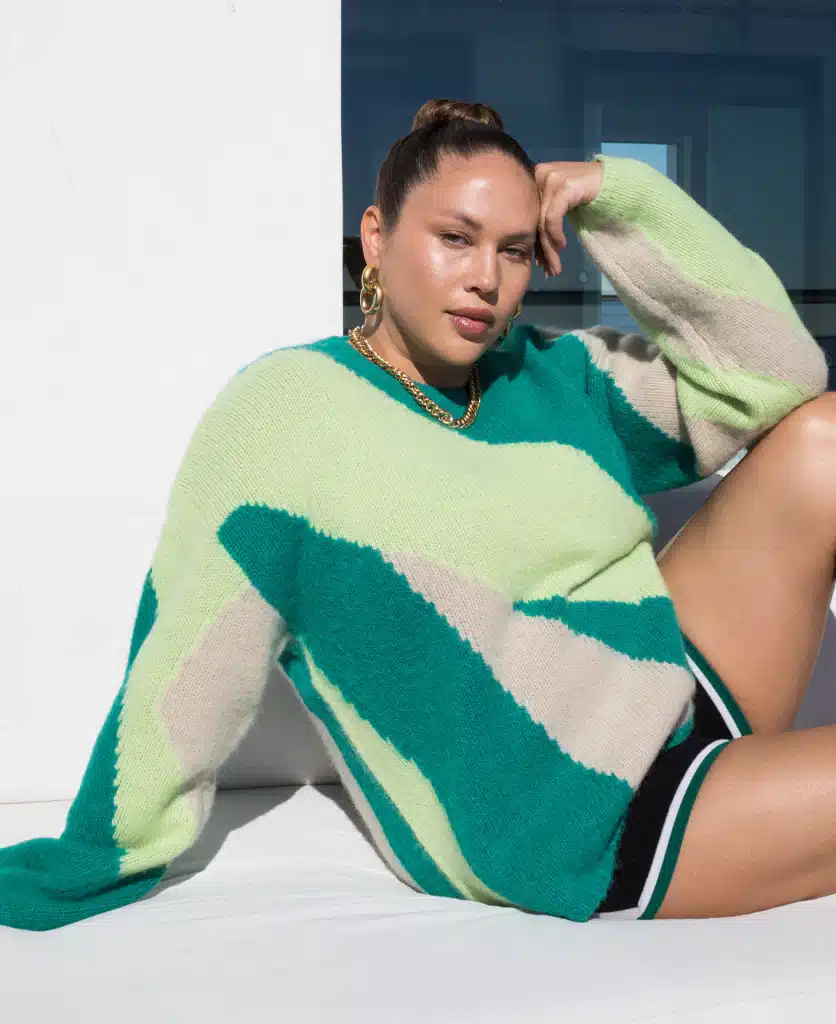
Byron Bay label Nagnata makes technical knits from GOTS-certified organic cotton and RWS-certified merino, engineered on fully-fashioned knitting machines that shape each panel to size and eliminate offcut waste. These knitted activewear pieces are designed for yoga, pilates, and everything in between, but good-looking enough to wear all day, which is rather the point. If your winter uniform involves a studio visit, this is the knitwear that covers both halves of your morning.
Standard Issue
An Auckland knitwear specialist that’s been doing slow fashion since 1981. Their whole-garment knitting machines produce each piece in one go with next to no waste, and any offcuts are repurposed into household insulation through a local textile recycler. In true buy-me-once style, their Care for Life program will repair, renew, and repurpose your favourite knit so it never sees landfill.


Untouched World
The possum merino specialists. Untouched World’s signature Ecopossum blends ZQ-certified merino with brushtail possum fibre and mulberry silk for knits that are lighter and warmer than pure wool, naturally pill-resistant, and made in their Christchurch workrooms. Introduced Brushtail possums are New Zealand’s biggest ecological pest, so using the fibre helps protect native forests and wildlife without toxic control methods, with animal welfare standards developed alongside veterinarians.
Country Road
Not a fully ethical brand, but worth including for one reason: the knitwear is genuinely excellent. Cashmere, merino, and silk wool blends in classic shapes that last for years, at a price point that sits between fast fashion and the more premium brands on this list. Not perfect, but the quality is there and the direction is right. Country Road also resells well on eBay and Facebook Marketplace, so secondhand is a great way to shop the range.

Otto & Spike
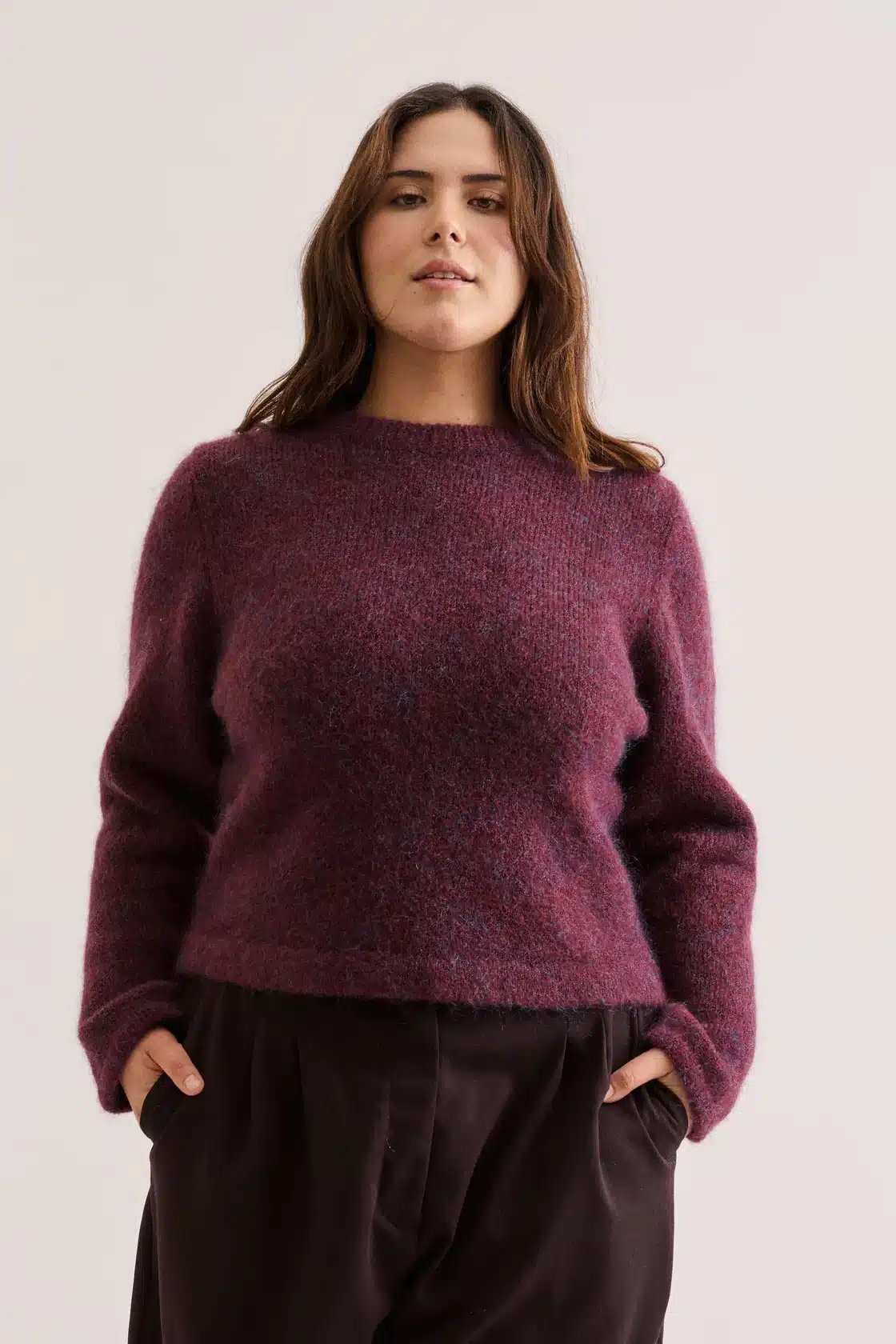
This is where you go for beanies, scarves, gloves, and socks. Otto & Spike knits its accessories in a Brunswick factory using surplus and leftover yarns that would otherwise go to waste, with a very accessible price point. It means the colours change depending on what they can get their hands on, so when you find somthing you love, grab it. All of their products are made in Australia & accredited by Ethical Clothing Australia.
Kuwaii
One of Melbourne’s most loved labels, Kuwaii designs and makes its knitwear locally in small runs, and they’re also Ethical Clothing Australia certified. They’re also one of the few brands offering lifetime repairs, so when a favourite knit eventually catches or wears thin, you bring it back to their Brunswick atelier rather than replace it. Pieces are designed to be loved and worn for decades, which is exactly the relationship a good jumper deserves.
Making your knitwear last
However good the brand, knitwear lives or dies on how you treat it. Wash wool rarely, airing it between wears instead, dry knits flat in the shade, store them folded rather than hung, and deal with pilling using a cashmere comb rather than panic. We’re putting together a full guide to caring for natural fibres so they last for decades [link when live], because the most sustainable jumper really is the one you keep for twenty years.
Frequently asked questions about knitwear
Is merino wool itchy?
Fine merino isn’t itchy for most people. Itchiness depends on fibre diameter, measured in microns, and merino under about 20 microns is soft enough to wear directly against skin. Traditional wool jumpers that feel scratchy are usually made from coarser fibres above 25 microns.
What is the warmest natural fibre?
Possum merino blends are among the warmest natural knit fibres for their weight, because possum fibre is hollow and traps heat exceptionally well. For pure fibres, cashmere and fine merino offer the best warmth-to-weight ratio, while alpaca runs warmer than sheep’s wool at the same thickness.
Is possum merino ethical?
Brushtail possums are a major introduced pest in New Zealand, where they damage native forests and prey on native birds, so possum fibre supports conservation-driven pest control rather than farming. Many people consider it one of the more defensible animal fibres for that reason, though it won’t suit strict vegans.
How do I stop knitwear pilling?
Some pilling is normal for natural fibres, especially in the first few wears. Wash knits inside out and infrequently, avoid friction points like crossbody bags, and remove pills with a cashmere comb or fabric shaver. Pilling on quality knitwear reduces over time, while cheap synthetic-blend knits pill continuously.
We hope you like the brands we recommend on The Green Hub. Our editors select each one independently. We may receive an affiliate commission when you follow some links.
Sustainability is an ongoing journey, and brands evolve over time. We do our best to keep this guide accurate and up to date, but certifications lapse and links occasionally break. If you spot something that needs a refresh, let us know.
The brands featured meet a range of ethical and sustainable standards, from certifications and living wages to transparent supply chains. That said, ethics are personal. This guide doesn’t cover every factor — like use of animal products or local manufacturing — so we always recommend checking a brand’s About page to see if their values align with yours.