Sustainable denim brands in Australia making jeans with lower-impact materials, better manufacturing, and designs made to last. Updated for 2026.
Probably the hardest working item in your wardrobe, there’s nothing like a well-worn, great-fitting pair of jeans to make you feel like a million bucks.
But our love for denim comes with a steep environmental price tag, with conventional cotton being the third most environmentally impactful material to produce, from seed to garment.
Is Denim Sustainable?
Making denim starts with cotton, and a lot of it is needed to make a single pair of jeans. About 1-2kgs of cotton go into making your favourite pair.
Unless it’s organic, cotton farming often relies on synthetic fertilisers and pesticides, and it can be extremely water-intensive depending on where it’s grown. While the exact numbers vary depending on the source, the average amount of water it takes to make one single pair of jeans is estimated at 7000 litres. After the cotton stage, denim production adds indigo dyeing, chemical finishing and repeated washing treatments, which all require water, energy and processing chemicals. All of this together is why denim has long been considered one of fashion’s more resource-intensive categories.
Fortunately for us denim lovers, more and more denim brands are finding smarter ways to make your favourite jeans that are less harmful to our planet. So while the industry as a whole might still have a long way to go, we’re starting to see some positive changes in the denim world.
Knowing all the facts, you can understand why it’s important to find those good-quality jeans designed to be loved and worn for a lifetime. So when you’re ready to invest in a new pair, here are some of our favourite sustainable denim brands.
A quick note about our brand guides
The Green Hub has been covering sustainable fashion for more than a decade. Our guides are put together by sustainability researchers and industry specialists, drawing on independent research and years of reporting on the space. We don’t include brands lightly. We consider material quality and how transparent a brand is about its production, with preference given to clothes designed to last.
We update each guide regularly as brands improve their practices, or new labels emerge.
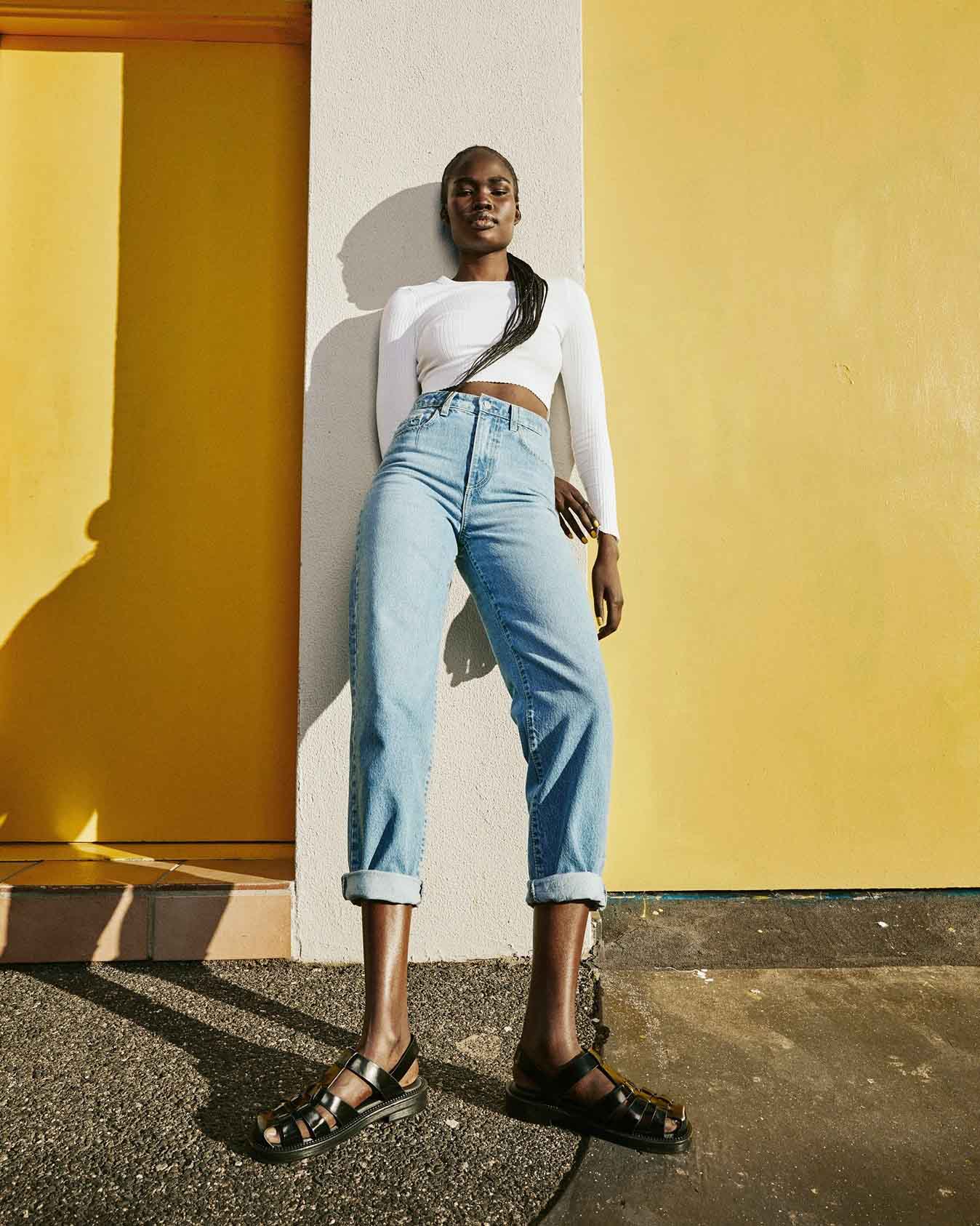
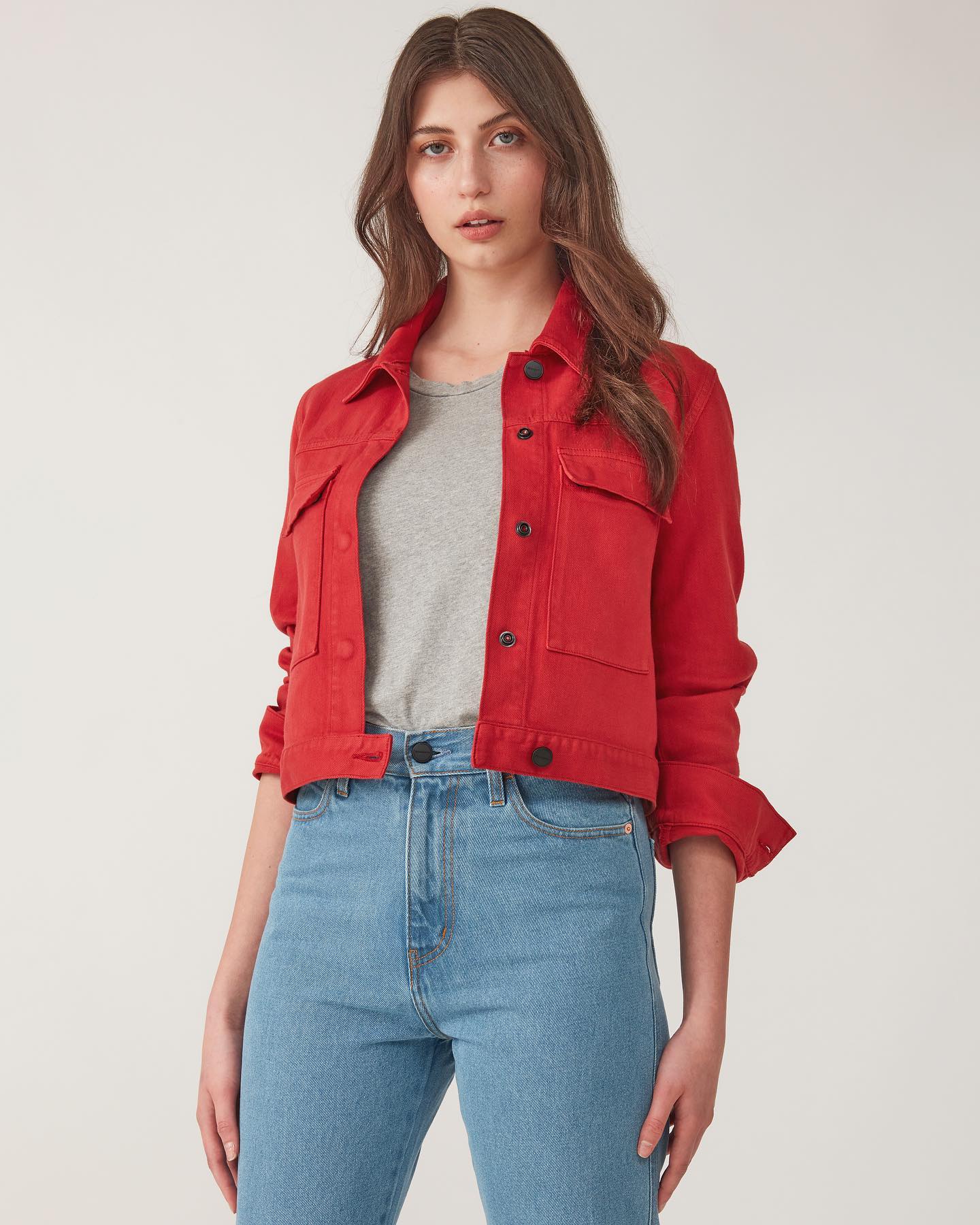
1. Nobody Denim
One of Australia’s coolest denim brands, Nobody Denim are made in Melbourne using Australian-grown cotton. They’re also Ethical Clothing Australia certified and use FIBRETRACE™, which allows full traceability of garments. They have a myriad of styles, including shorts, skirts, and everyday basics.
2. Denimsmith
Ethical Clothing Australia certified Denimsmith specialises in classic denim, and they also do fun colours. Handmade in Melbourne and was founded by a team of veteran Australian designers and makers committed to ethical production. With options for everybody, this brand makes affordable, timeless, and sustainable pieces you’ll treasure forever.
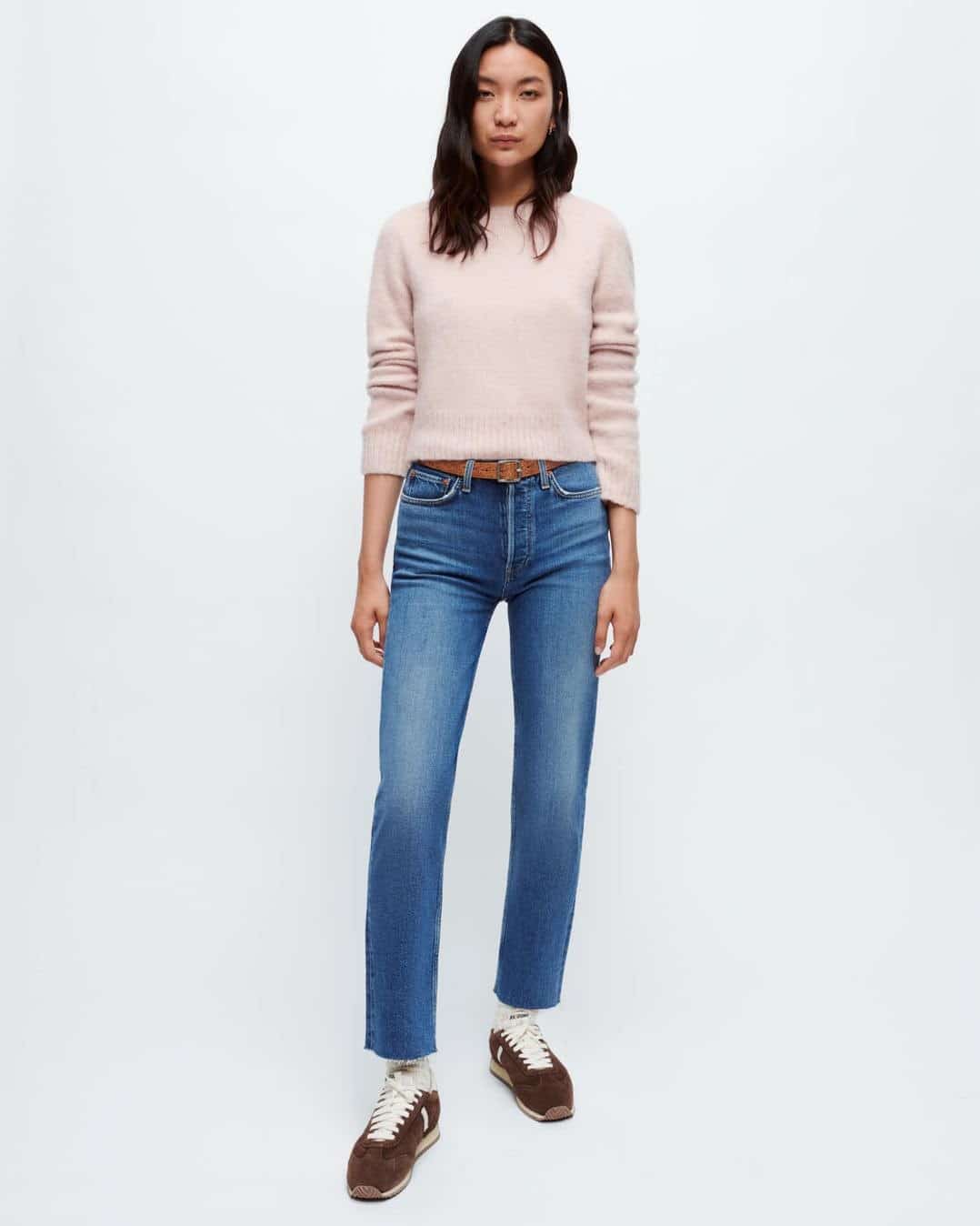
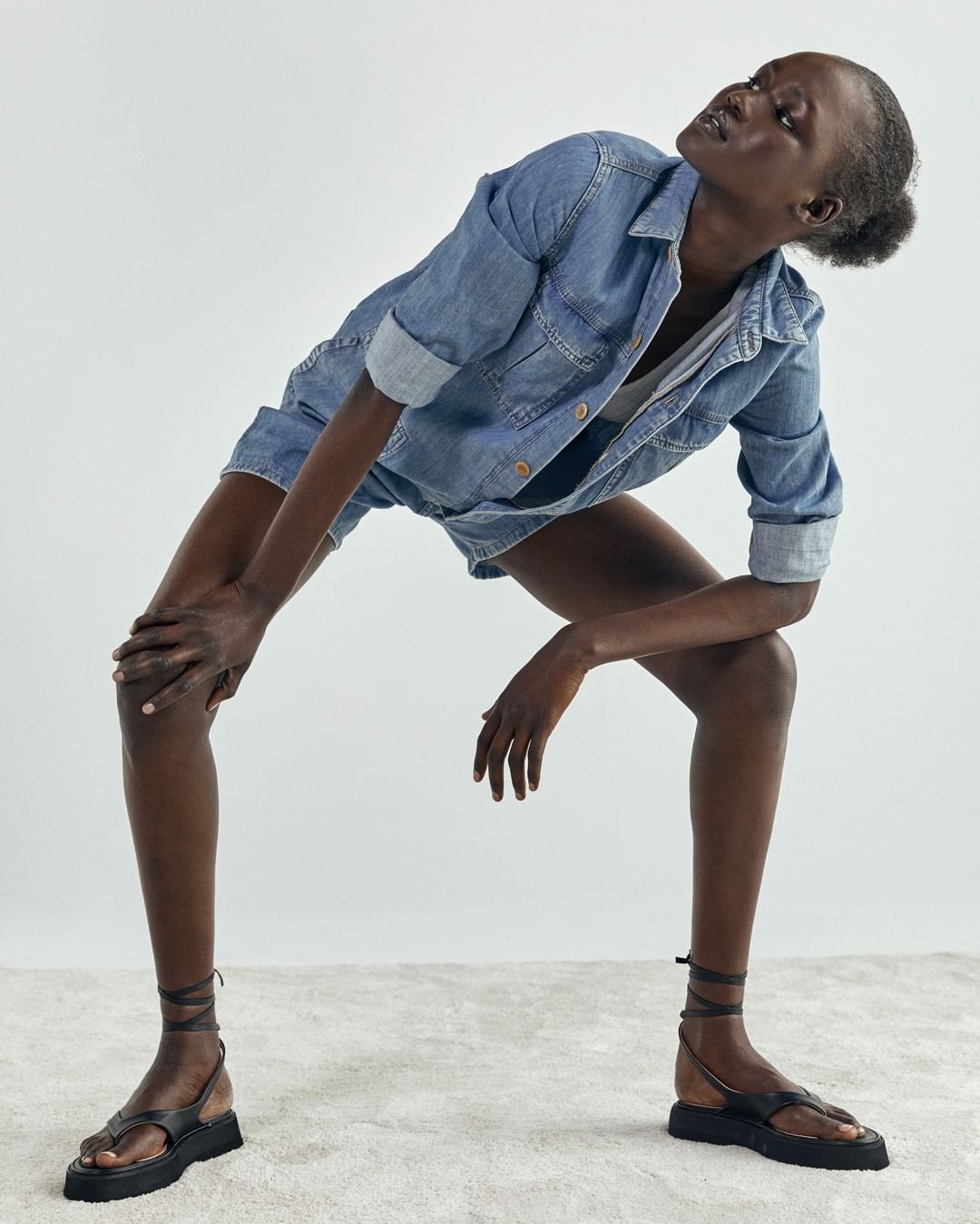
3. RE/DONE
More than just another denim brand, RE/DONE is an upcycled movement. Reconstructing old pairs of Levi’s, each pair is distinctly one of a kind. These are your go-to for relaxed fits and vintage styles with modern tweaks.
4. Outland
Australia’s first B-Corporation Certified denim brand, Outland has been around for almost a decade, born from a need to help provide vulnerable women with employment and training opportunities. They use organic cotton and natural indigo dye in their production.
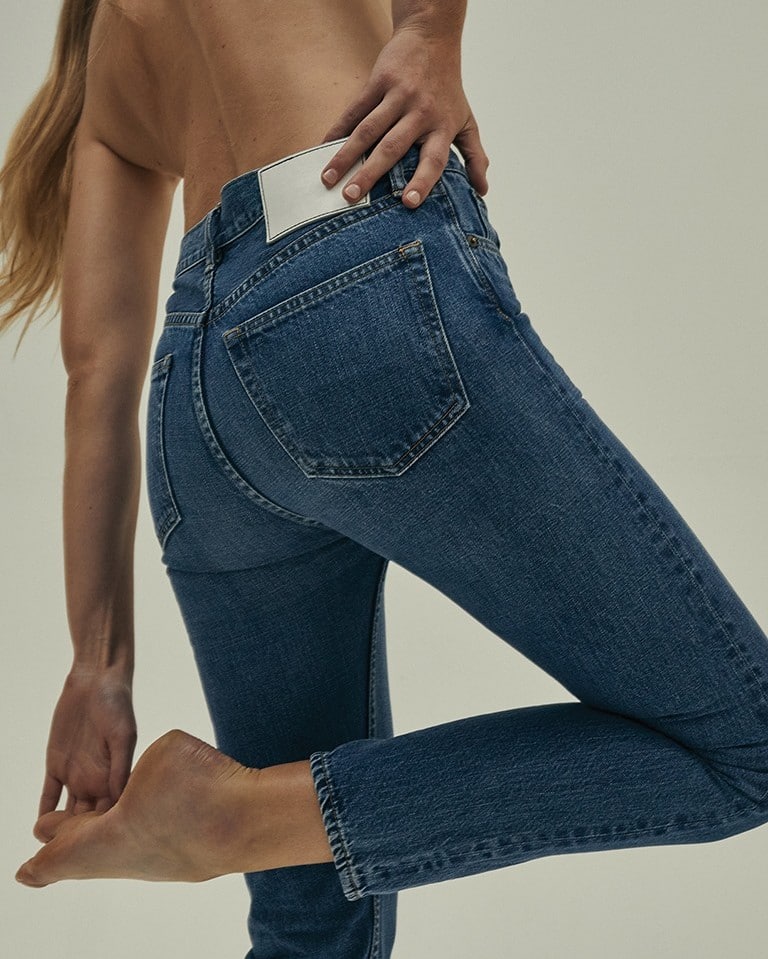
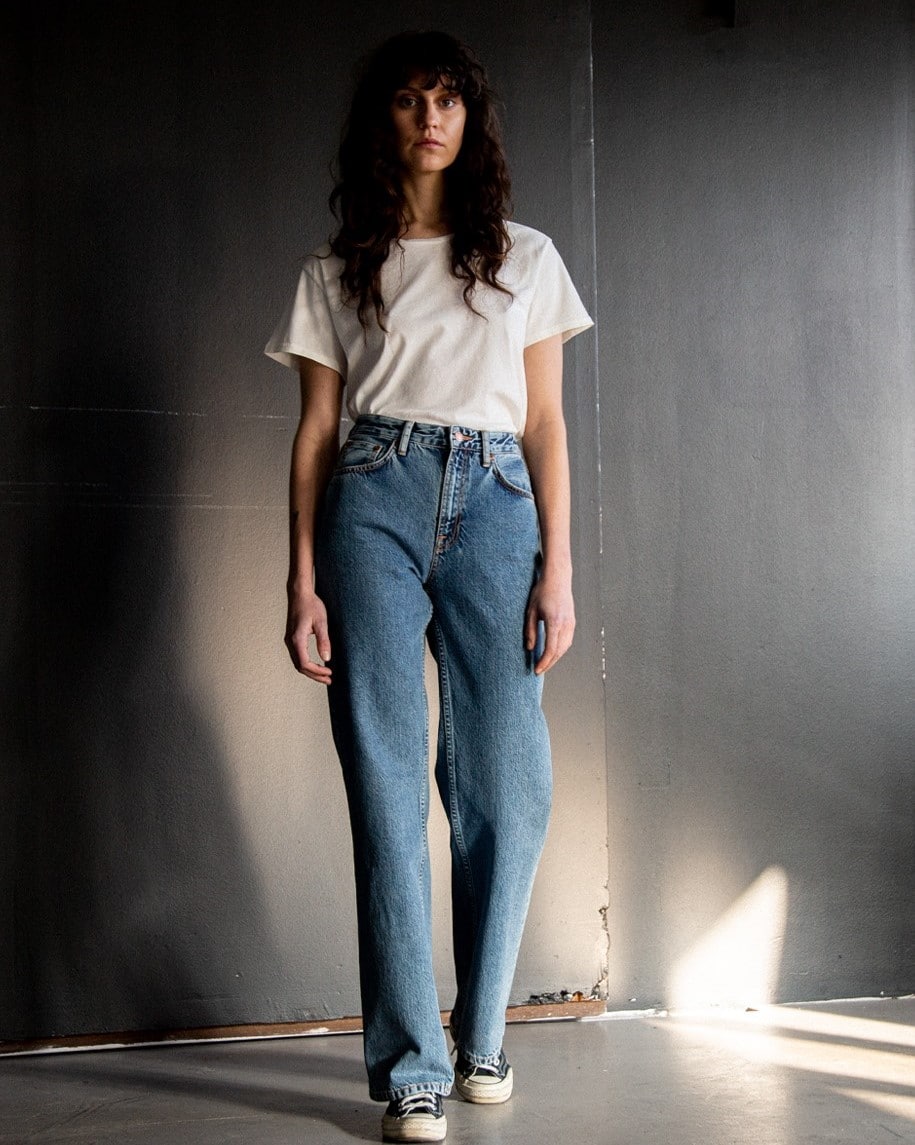
5. Bassike
Australian-made Bassike prides itself on creating responsible collections in collaboration with local artisans and suppliers across Australia. Their collections are seasonless, encouraging people to invest in pieces that they will hold onto forever.
6. Nudie Jeans Co
Every pair of Nudie Jeans comes with the promise of free repairs, no matter where you bought them from. Made from 100% organic cotton, and are designed to last you forever. Nudie Jeans makes sure to work with suppliers and makers who ensure their jeans are sustainable for you and the planet. They also offer a trade-in program with preloved pieces available for sale on their site.

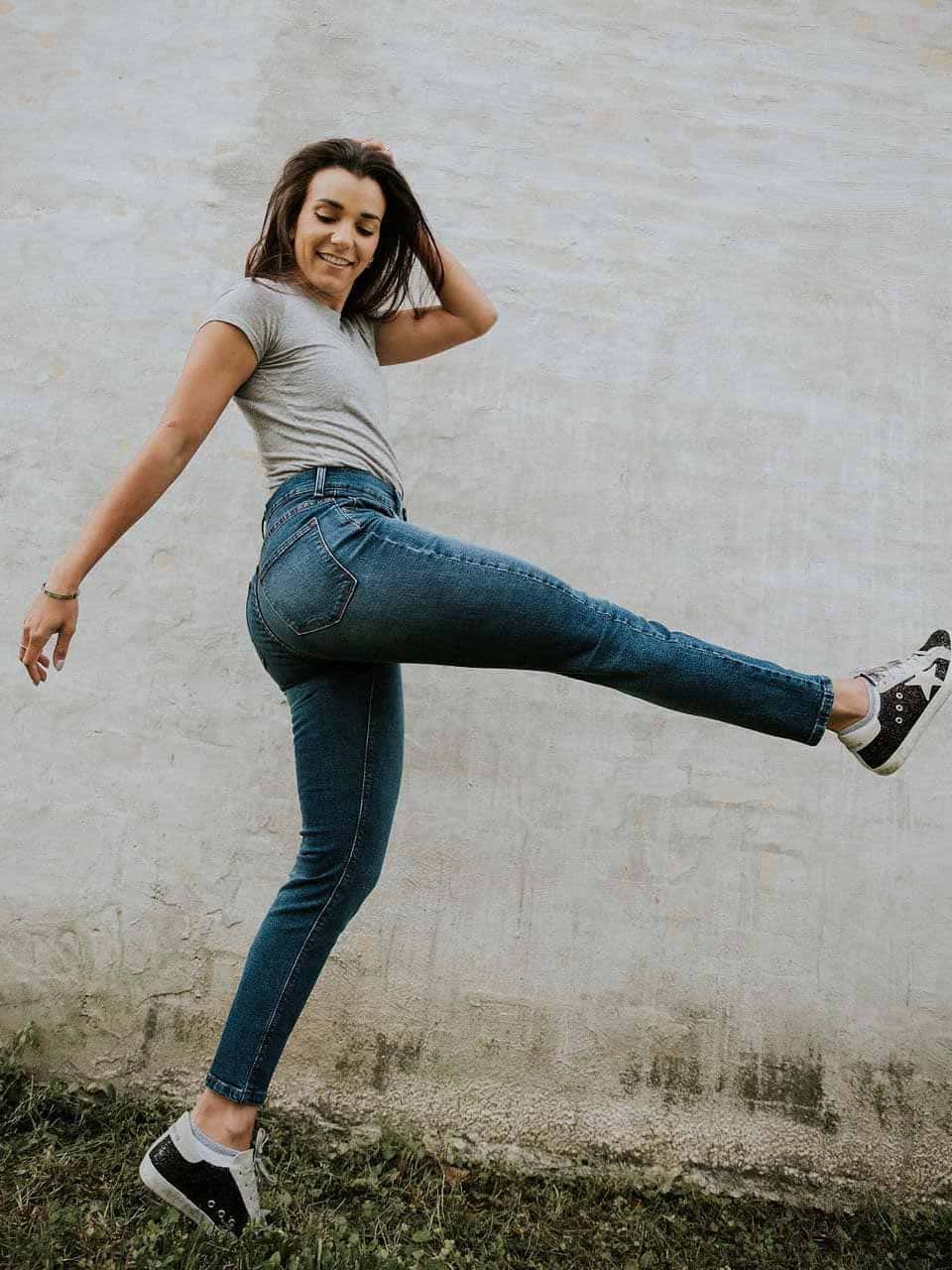
Neuw Denim
Jeans for those who want denim that will last tonight, tomorrow, & the best times of their life, Neuw Denim has a fit for everyone. Their ZERO collection uses processes designed to cut down on water wastage and chemical pollution. They use Australian-grown cotton, known for being water efficient, and work with small factories that have a traceable and transparent supply chain.
Mott & Bow
Mott & Bow is a go-to for denim lovers seeking high-quality pieces at affordable prices. They’re a family-owned factory with in-house production, so you know exactly who is making your clothes. They offer a wide range of fits, sizes, and styles for everyone. Making them your one-stop shop for denim that feels as good as it looks.
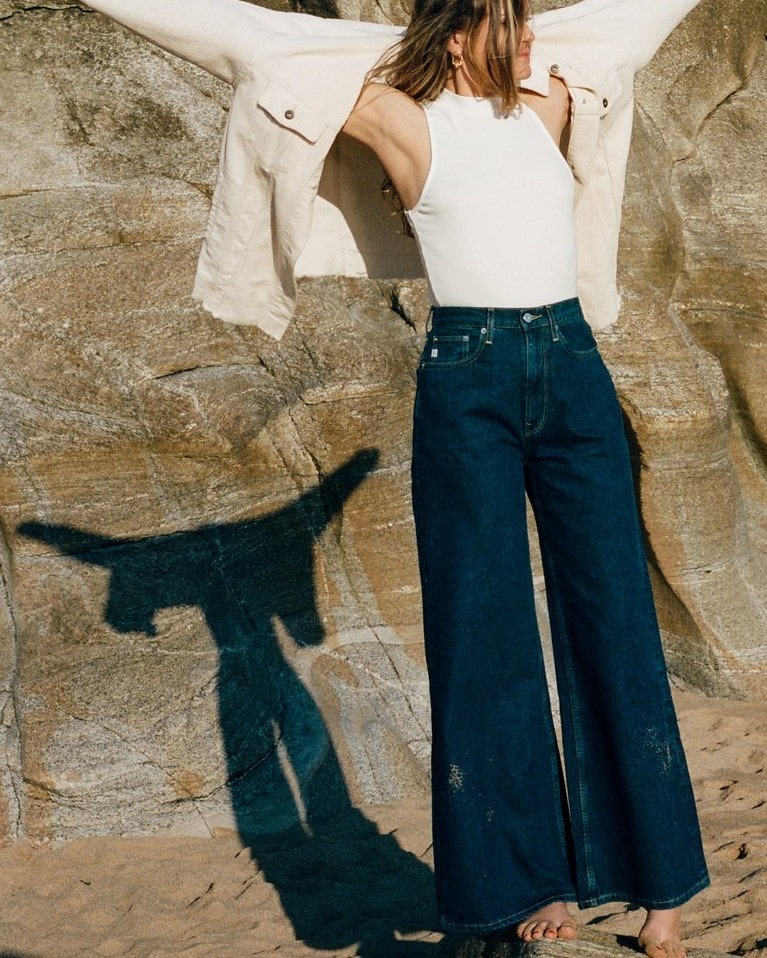
MUD Jeans
MUD Jeans recycles old jeans, cuts them up into pieces, and blends them with Global Organic Textile Standard (GOTS) certified cotton to create new denim yarn. This means less water and chemical usage. The new recycled jeans are then sold as unique vintage pairs and named after the former wearer. MUD has also introduced a Lease or Buy option, where you can rent your pair of jeans on a subscription.
Want your jeans to go the distance?
Sustainable denim starts with how you care for it. Head to our Denim Care Guide for tips on making your favourite pair last longer.
We hope you like the brands we recommend on The Green Hub. Our editors select each one independently. We may receive an affiliate commission when you follow some links.
Sustainability is an ongoing journey, and brands evolve over time. We do our best to keep this guide accurate and up to date, but certifications lapse and links occasionally break. If you spot something that needs a refresh, let us know.
The brands featured meet a range of ethical and sustainable standards, from certifications and living wages to transparent supply chains. That said, ethics are personal. This guide doesn’t cover every factor — like use of animal products or local manufacturing — so we always recommend checking a brand’s About page to see if their values align with yours.