This is not another sustainable living tips article telling you how to save the planet with your keep cup.
We know that a small number of corporations and industries are responsible for the bulk of global emissions. BP literally popularised the idea of a “carbon footprint” to shift responsibility away from fossil fuel companies and onto individuals. Ordinary people didn’t create the climate crisis, and we can’t recycle our way out of it.
So no, cutting back on plastic an composting your scraps isn’t going to fix everything. But it also doesn’t mean those choices are pointless either.
Photo by Josue Michel on Unsplash

Small changes are often how bigger ones start
When we begin paying attention to our own impact, when we start wasting less food, buying fewer things, or thinking more carefully about what we consume, it usually doesn’t stop there. We notice more. We talk about it more. The people around us start noticing too, and some of them try it themselves.
That personal shift often opens the door to bigger engagement. People who start changing their own habits are more likely to care about environmental policy, support campaigns, vote with climate in mind, and get involved in protecting the places they care about.
Individual action doesn’t replace political or industry change. It supports it.
How to use this guide
This guide is designed to work as both a starting point and a long-term reference.
The tips are grouped into broad themes, so you can jump to the areas that matter most to you right now — whether that’s food, fashion, your home, or bigger system changes. Many of the tips link through to deeper guides across The Green Hub, so you can learn more or take things further when you’re ready. You don’t need to do everything at once. Pick a few changes that fit into your life, try them for a while, then build from there.
We don’t have to do everything, but we can all do something.
Below, you’ll find 31 simple sustainable living tips for everyday life in Australia, from low-effort swaps to bigger, higher-impact changes you can build over time.
The ones with the biggest impact
1. Buy me once. One of the simplest ways to live more sustainably is simply buying fewer things and choosing better-quality ones when you do. Well-made clothes, appliances, furniture, and everyday items last longer, are easier to repair, and are far less likely to end up in landfill. 2026 is the year to shift away from disposable culture and toward things you actually love and want to keep. It’ll also save money in the long term, which never hurts.
2. Reduce food waste. Around one-third of all food produced globally goes to waste. If food waste were a country, it would be the third biggest emitter of greenhouse gases after the USA and China And to add insult to injury, when food ends up in landfill, it breaks down without oxygen and releases methane, a powerful greenhouse gas. So cutting the food waste is one of the fastest ways to lower your impact at home, and it’s mostly about small habits. Here’s how to do it.
3. Switch to a green electricity provider. If you can choose your electricity provider, this is one of the simplest high-impact changes you can make at home. Look for a plan that’s powered by renewable energy, or one that matches your usage with renewable certificates. We break down major providers and their green alternatives here.
4. Choose ethical banking and super fund. Most Australians’ superannuation and everyday banking are still tied to fossil fuel projects and environmentally harmful industries. Collectively, Australians have around $2 trillion in super, and a significant portion is invested in polluting companies. Here’s our complete guide to making the switch.
5. Eat less meat. You’ve probably heard this one before, but it’s still one of the most effective changes you can make. Industrial livestock farming is a major contributor to greenhouse gas emissions, land clearing, and water pollution. And you don’t have to go fully vegetarian or vegan to make a difference. Start small. Swap a few meals a week for plant-based options, or try something easy like Meat-Free Mondays.
The everyday swaps that add up
6. Make your home more energy efficient. Making your home more energy efficient is one of the most practical ways to reduce your impact and your power bills at the same time. Homes that hold heat better in winter and stay cooler in summer simply use less energy, which adds up over time. It also makes your home a lot more comfortable to live in in our often harsh Australian climate. We have a comprehensive guide to making your home energy efficient with tips for renters and homeowners.
7. Reduce plastic. Nearly half of all ocean pollution comes from land-based activities, and plastic is a big part of that problem. Start with easy swaps like reusables, shopping at bulk food stores, and switching to refillable cleaning products.
8. Compost. When food scraps end up in landfill, they break down without oxygen and release methane, a powerful greenhouse gas. Composting keeps that waste out of landfill and turns it into nutrient-rich soil for your garden or indoor plants. There are options for every type of home, from backyard compost bins to worm farms and small kitchen composters. We’ve rounded up our compost bin picks for every type of space.
9. Be water-wise. With much of rural Australia (and the world) experiencing severe droughts, we need to consider our water use. Simple habits like turning off the tap while you brush your teeth and the shower while you soap up can save thousands of litres a year. Have shorter showers. Fix leaks, even if it’s a minor drip. Keep a bucket in your shower to collect runoff water to use on your indoor plants. Water your garden less, or create a garden using drought-resistant natives.
10. Recycle. Yes, recycling still matters, but only when it’s done properly. What can and can’t go in the bin changes by council, and wish-cycling just sends more waste to landfill. Check your local rules so the effort you’re making actually counts. We’ve put together a guide to help you get it right, and here are some fashion brands that will take your old clothes.
11. DIY when it makes sense. Making your own food, like bread, nut milk, or snacks, and simple cleaning products can cut down on packaging and reduce transport emissions. It’s not for everyone, and it doesn’t have to be all or nothing. Even replacing one or two regularly bought items with a homemade version can make a difference.
12. Create a wildlife-friendly garden. Native plants, water sources, fallen leaves, and logs all play a role in creating habitat. You don’t need a big backyard to make a difference, and over time these small pockets of habitat can link up into something much bigger across suburbs and cities. Start small and plant for our native bees, our pollinator garden guide will help you get started.
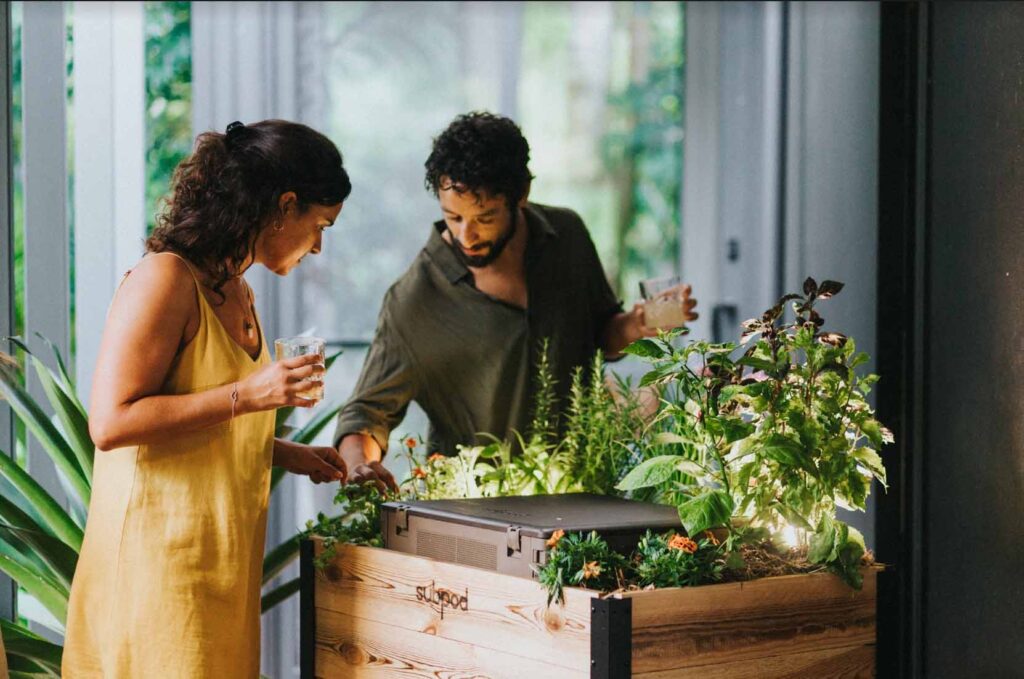
13. Grow your own. Buying locally grown food from the farmer’s market is a great way to lower your impact, but growing your own takes it a step further. Even a small herb garden, a few pots on a balcony, or a simple veggie patch can cut food miles, reduce packaging, and reconnect you with where your food comes from. Start with these beginner-friendly garden courses.
14. Buy local. Food that’s grown and bought locally travels less distance, which means fewer transport emissions and fresher produce. It also keeps money circulating in your local economy and supports small farmers. If you don’t live near a farmer’s market, look for online stores that grow and deliver produce within your region.

Support change
15. Watch an environmental documentary to help get you fired up. Sometimes the best motivation comes from a good story. Environmental documentaries are a great way to learn more about climate change, conservation, and the people working to protect the planet. They can also help put everyday actions into a bigger context. Here are some of favourites, free to stream.
16. Sign petitions. Signing petitions won’t fix the climate crisis on its own, but it does help build political pressure when they’re run by organisations with real reach. Look for campaigns from groups like Greenpeace, the Australian Conservation Foundation, and GetUp, and prioritise ones tied to a clear policy demand or decision-maker. It takes two minutes, and it’s an easy way to back the issues you care about between bigger actions.
17. Get informed. Spending a bit of time understanding climate change, biodiversity loss, and how different industries actually operate helps cut through greenwashing and oversimplified takes on social media. It also makes it easier to focus your energy on the changes that matter most, rather than getting stuck on low-impact swaps (important but not the main goal).
18. Donate when you can. Environmental organisations rely on donations to keep their work going, from conservation and legal action to research and community campaigns. Even small, regular contributions help create financial stability for groups doing long-term work on climate and biodiversity.
19. Walk, ride, car share, or take public transport. Transport is Australia’s second-largest source of greenhouse gas pollution. If you can avoid driving, choosing to walk, ride, car share, or take public transport helps cut emissions and fuel costs at the same time. With ebikes and scooters becoming more accessible (and available to rent), getting around sans car is easier than ever. For trips where you do need a car, services like Carbar, GoGet, and Flexicar make it easier to share vehicles instead of owning one. Even swapping a few regular car trips each week adds up over a year.
20. Drive an electric car (when it’s time to replace yours). If you’re already in the market for a new car, choosing an electric one can significantly cut transport emissions over its lifetime. EVs are becoming more affordable, and Australia’s charging infrastructure is steadily improving. This is a great guide to electric cars in Australia.

What we buy and wear
21. Slow your fashion purchases. Global clothing production has doubled in the past 15 years, with garments being worn fewer times and thrown away faster than ever before. Fashion is one of the most polluting industries in the world, producing around 20% of wastewater and more greenhouse gas emissions than international flights and maritime shipping combined. Buying fewer, better-made clothes and wearing them for longer helps reduce demand and waste. We have a whole section dedicated to fashion, so you can deep dive and find great brands.
22. Pay attention to who made your clothes. A lot of the harm in fashion sits in labour conditions, not just materials. Low wages, unsafe factories, and long, opaque supply chains are still common in fast fashion. When you do buy new, look for brands that are open about where their clothes are made, who their suppliers are, and what standards they follow around pay and working conditions.
23. Rent instead of buying. From clothing hire to camera gear, these days more and more everyday items can be rented instead of owned. Borrowing what you need only when you need it reduces demand for new stuff, saves storage space, and usually costs less. Check if your council area has a local tool library where you can borrow things like drills, saws, and gardening equipment instead of buying them for one-off jobs.
24. Buy preloved. Buying second-hand keeps good stuff in circulation and reduces demand for new clothing, which saves water, energy, and raw materials. It also happens to be cheaper and more fun. Second-hand isn’t second best, and op shops are full of well-made pieces if you know what to look for.
25. Wash less. Most clothes don’t need to be washed after every wear. If something doesn’t smell and isn’t visibly dirty, it’s usually fine to hang it back up and wear it again. For small marks or odours, spot clean or spray the area and let it air out instead. Washing less saves water and energy and slows down wear on your clothes.
26. Wash in cold. Roughly 75% of the energy used in a load of laundry goes into heating the water. Switching to cold or low-temperature washes cuts energy use straight away and is gentler on your clothes, helping them last longer. Most modern detergents are designed to work just as well in cold water.
27. Air dry. Using a clothes dryer is one of the biggest energy drains, and really, it’s so easy to simply hang our washing outside. It saves electricity (and your bill), it’s gentler on fabrics, which means your clothes and bedding will last longer. Plus, sunlight has natural antibacterial properties. Paired with cold washing, it’s a win-win all around.

Changing the bigger stuff
28. Have a conversation. Talking about climate change with the people around you still matters. For a lot of people, resistance comes from confusion, misinformation, or feeling overwhelmed rather than outright denial. Listening first, staying calm, and keeping things grounded in everyday impacts goes a lot further than trying to win an argument.
29. Get political. Big environmental changes don’t happen without political pressure. Most climate and conservation policies come from a mix of top-down action (laws, funding, regulation) and bottom-up pressure (voters, campaigns, protests, and community organising). Writing to your local MP, supporting campaigns around specific policies, volunteering during elections, and paying attention to how different parties vote on climate issues all feed into that system. Individual lifestyle changes matter, but long-term impact comes from changing the rules that shape how industries and governments operate.
30. Educate your children. Kids are already growing up in a very different climate reality. Teaching them how nature works, why sustainability matters, and how to think critically about consumption gives them the tools they’ll need for life. It doesn’t have to be heavy or scary. Books, nature documentaries, school sustainability programs, and local environmental groups can add to that foundation. The goal isn’t to make kids anxious about the future, but to help them feel capable, curious, and connected to the world they’re inheriting.
31. Start something small with other people. Most movements begin with a few people who care about the same issue. From local clean-up groups to climate strikes and community gardens, collective action grows out of ordinary conversations and shared effort. You don’t need to build a global movement. Starting something small in your own community is often how bigger change begins.